
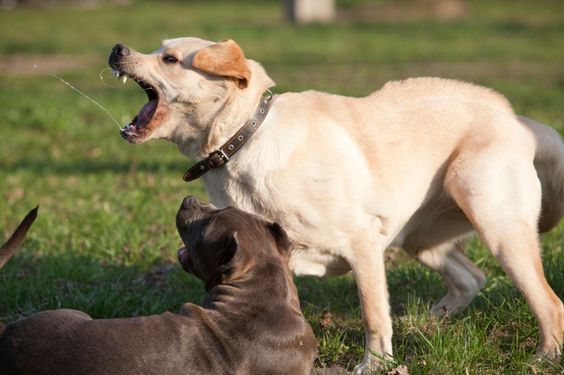
Watching your dog growl, bark, lunge, or snap at another dog can be stressful and even embarrassing. Many owners worry that their pet is simply aggressive, but the truth is often much more complex. Dogs react to other dogs for many reasons, including fear, frustration, poor socialization, territorial instincts, or excitement. Understanding the motivation behind your dog’s behavior is the first step toward helping them become calmer and more confident during daily walks and social interactions.
Learning about dog aggression toward other dogs helps owners recognize that aggressive-looking behavior is not always a sign of a dangerous dog. Understanding dog aggression toward other dogs allows you to identify emotional triggers, improve your dog’s confidence, and use positive training methods that encourage lasting behavioral change. With patience and consistency, many dogs can learn to remain relaxed around other dogs.
Aggression Is Not Always What It Seems
One of the biggest misconceptions about dog aggression toward other dogs is that every barking or lunging dog wants to fight. In reality, many dogs react because they are scared, frustrated, or unsure how to communicate appropriately.
Some dogs become overwhelmed when another dog enters their personal space, while others become excited but cannot express themselves calmly because they are restrained by a leash.
Understanding the emotional cause behind aggressive behavior leads to better training decisions.
Dog Barking Behavior Can Signal Different Emotions
Recognizing Dog barking behavior is essential when addressing dog aggression toward other dogs. Barking may indicate excitement, fear, anxiety, territorial instincts, or frustration depending on the situation.
Some dogs bark while wagging their tails because they want to play, while others bark with stiff posture and direct staring because they feel threatened.
Learning to interpret Dog barking behavior alongside body language provides a much clearer picture of your dog’s emotional state.
Leash Reactivity Is Often Mistaken for Aggression
Many owners dealing with dog aggression toward other dogs are actually experiencing leash reactivity. Dogs naturally prefer having options when interacting with unfamiliar animals. A leash removes that freedom, causing some dogs to feel trapped or frustrated.
With leash reactivity, dogs may bark, growl, lunge, or pull even though they would behave differently off leash. Their reaction is often driven by stress rather than true aggression.
Recognizing this distinction helps owners focus on confidence-building exercises instead of punishment.
Poor Socialization Can Increase Aggression
Another common cause of dog aggression toward other dogs is limited socialization during puppyhood. Dogs that have not experienced positive interactions with different breeds, sizes, and personalities may become uncomfortable around unfamiliar dogs later in life.
Controlled, positive experiences teach dogs that meeting other dogs can be safe and enjoyable.
Even adult dogs benefit from carefully managed socialization when introduced gradually.
Canine Communication Prevents Conflict
Understanding canine communication is one of the most valuable skills a dog owner can develop while addressing dog aggression toward other dogs. Dogs communicate through posture, facial expressions, tail movement, ear position, and vocalizations long before aggression occurs.
Healthy canine communication allows dogs to avoid unnecessary conflict by signaling discomfort, excitement, or a desire for more space.
Learning to recognize these signals allows owners to intervene before situations escalate.
Reactive Dog Training Builds Confidence
One of the most effective ways to reduce dog aggression toward other dogs is through reactive dog training. This training method focuses on teaching dogs to remain calm when another dog appears rather than reacting immediately.
Successful reactive dog training begins by keeping enough distance so your dog notices another dog without becoming overwhelmed. Calm behavior is immediately rewarded with treats, praise, or play.
As confidence grows, owners gradually decrease the distance while maintaining positive experiences.
Positive Reinforcement Encourages Better Choices
Helping dogs overcome dog aggression toward other dogs requires rewarding calm behavior instead of punishing mistakes. Positive reinforcement teaches dogs that ignoring other dogs or focusing on their owner leads to enjoyable rewards.
Punishment often increases anxiety, making aggressive behavior worse over time. Instead, reward eye contact, calm walking, and relaxed body language whenever another dog is nearby.
Consistency builds long-lasting behavioral improvements.
Stopping Dog Barking During Walks
Many owners working on dog aggression toward other dogs also need strategies for stopping dog barking. Begin by identifying the distance where your dog remains calm before another dog appears.
Practice rewarding calm attention toward you before barking begins. Gradually shorten the distance over multiple sessions as your dog’s confidence improves.
Successful stopping dog barking requires patience, repetition, and realistic expectations rather than quick fixes.
Exercise Reduces Reactivity
Regular exercise plays a major role in reducing dog aggression toward other dogs. Dogs with excess physical or mental energy are more likely to react intensely during walks.
Daily walks, scent games, puzzle toys, obedience sessions, and structured play help dogs release energy while improving focus and emotional stability.
A mentally stimulated dog often responds more calmly to everyday situations.
Mistakes That Can Slow Progress
Owners sometimes make dog aggression toward other dogs worse without realizing it. Tightening the leash, yelling during barking episodes, or forcing greetings with unfamiliar dogs often increases stress and reinforces unwanted behaviors.
Allowing uncontrolled encounters at busy parks before your dog is ready can also create setbacks.
Moving at your dog’s pace always produces better long-term results than rushing progress.
Affordable Training Tips for Every Owner
Improving dog aggression toward other dogs doesn’t require expensive equipment or complicated training systems. High-value treats, regular practice, predictable routines, and basic obedience exercises often provide excellent results.
Walking during quieter times of the day also creates more opportunities for successful training before introducing busier environments.
Small daily improvements lead to lasting behavioral changes.
Why Dog Owners Trust petsoulcare
At petsoulcare, we understand that managing dog aggression toward other dogs can feel overwhelming, especially for first-time pet owners. That’s why we provide practical, science-based guidance that focuses on building confidence through positive reinforcement instead of fear or punishment.
Whether you’re learning about Dog barking behavior, managing leash reactivity, understanding canine communication, practicing reactive dog training, or working on stopping dog barking, petsoulcare is committed to helping owners raise calm, confident, and well-behaved dogs.
Final Thoughts
Understanding dog aggression toward other dogs begins with recognizing that many aggressive-looking behaviors are rooted in fear, frustration, or poor communication rather than a desire to fight. By identifying your dog’s emotional triggers and using consistent, positive training techniques, you can significantly improve their confidence and behavior.
Every dog deserves patience, understanding, and the opportunity to learn at their own pace. With trusted support from petsoulcare, effective reactive dog training, a better understanding of canine communication, strategies for managing leash reactivity, and practical methods for stopping dog barking, you can help your dog enjoy calmer, safer, and more enjoyable interactions with other dogs.