

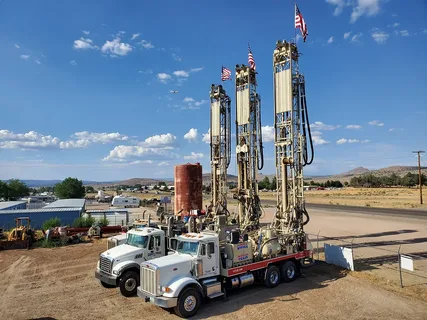
Drill Rigs Services in Truckee, CA for Construction and Mining
Drilling is an important part of many construction, engineering, exploration, and mining projects. From preparing foundations to investigating ground conditions, drilling equipment helps crews complete work that requires depth, precision, and reliable machine performance. Choosing suitable equipment is essential because different projects can involve different soil types, rock formations, drilling depths, and site conditions. For contractors working on demanding projects, drill rigs services in Truckee, CA can provide equipment solutions for a variety of drilling applications.
A successful drilling project begins with understanding the job requirements. The right rig should match the expected drilling depth, material, access limitations, hole size, and project purpose. Proper planning can also help teams prepare for transportation, setup, maintenance, and safety requirements. With suitable equipment and an organized approach, drilling work can become easier to manage and coordinate with other project activities.
Why Drill Rigs Services in Truckee, CA Matter
Drill rigs are specialized machines designed to create holes in soil, rock, and other ground materials. Depending on their design, they can support applications such as foundation work, geological exploration, mining, environmental investigations, and construction preparation.
Different drilling projects require different machine capabilities. A rig used for shallow construction drilling may not be appropriate for a deep exploration project. Ground conditions can also influence equipment selection because hard rock may require different drilling tools than softer soil.
Using drill rigs services in Truckee, CA can help contractors identify equipment that matches the specific requirements of their project. Proper equipment selection can support productivity while helping project teams manage difficult terrain and demanding drilling conditions.
Common Applications of Drill Rigs
Drill rigs can be used across several industries. Understanding these applications can help contractors determine what type of equipment they may need.
Foundation Drilling
Construction projects may require drilled holes for foundations, structural supports, piers, or other components. The required drilling depth and diameter can vary depending on the structure and engineering plan.
A suitable drill rig can help crews create consistent holes according to project specifications. Before drilling begins, contractors should understand the required dimensions and confirm that the selected equipment can meet them.
Geological Exploration
Drilling can provide access to underground materials and help project teams understand subsurface conditions. Exploration projects may involve collecting samples from different depths to evaluate geological formations.
The equipment required for exploration depends on the purpose of the investigation, expected ground conditions, and required drilling depth.
Mining Applications
Mining operations can use drilling equipment for exploration and other site activities. Drill rigs can help investigate geological formations and support planning for extraction operations.
Mining environments can be demanding, so equipment selection should consider ground conditions, access, drilling requirements, and operating conditions.
Construction Site Investigation
Before major construction begins, teams may need information about the ground beneath a site. Drilling can support investigations that help engineers understand subsurface conditions.
This information can be useful when planning foundations, retaining structures, roads, and other construction elements.
Choosing the Right Drill Rig
Selecting a drill rig should begin with the project requirements rather than simply choosing the largest available machine.
Determine the Required Depth
Drilling depth is one of the most important factors in equipment selection. A rig must have the capability to reach the required depth while maintaining suitable operating performance.
Project teams should determine expected drilling depth before equipment is selected.
Consider Ground Conditions
Soil and rock conditions can vary significantly. Some locations may contain loose soil, while others may involve dense rock or mixed formations.
Different drilling tools and methods may be suitable for different ground conditions. Understanding the expected material can help contractors select appropriate equipment.
Check Hole Diameter Requirements
The required hole diameter can also influence equipment selection. Foundation and engineering projects may require specific dimensions based on design requirements.
The drill rig and tooling should be capable of producing the required diameter consistently.
Evaluate Site Access
Access is another important consideration. Large drill rigs need enough space for transportation, setup, and operation.
Narrow roads, steep areas, existing structures, overhead obstacles, and other site limitations should be evaluated before equipment is delivered.
Preparing a Site for Drilling
Good site preparation can make drilling operations more efficient. Before the rig arrives, project teams should identify the drilling locations and prepare suitable access routes.
The ground should be evaluated for stability. A stable working area can help equipment remain properly positioned during drilling.
Utilities and other underground features should also be identified before drilling begins. This can help crews understand potential hazards and plan operations appropriately.
Project managers should also consider where drilling materials and waste will be placed. Having a clear material management plan can reduce unnecessary movement around the site.
The Importance of Drill Rig Setup
Proper setup is an important part of drilling operations. A rig should be positioned according to the drilling plan and site conditions.
The machine should be placed on suitable ground with enough clearance for safe operation. Operators should check the surrounding area for workers, structures, overhead obstacles, and other potential hazards.
Correct alignment can also help produce more consistent drilling results. The setup process should follow equipment specifications and project requirements.
Taking time to prepare the rig correctly can help prevent avoidable operating problems.
Drilling Tools and Attachments
Drill rigs can use different tools depending on the material and application. The correct tooling can affect drilling speed, performance, and the quality of the completed hole.
Tools designed for softer materials may differ from those used for hard rock. The selected tool should match the machine and the ground conditions.
Project teams should also inspect drilling tools regularly. Worn tools can affect performance and may increase the effort required to complete drilling work.
Proper tool selection and maintenance can help equipment operate more effectively throughout a project.
Working in Rocky Ground
Rocky terrain can create additional challenges for drilling operations. Hard formations may require specialized drilling tools and greater equipment capability.
Before starting work, contractors should understand the expected geological conditions as much as possible. Information from surveys, previous site investigations, or engineering plans can help with equipment planning.
Drilling speed can vary depending on rock hardness and formation. Project schedules should account for possible changes in drilling conditions.
Equipment should also be inspected regularly when working in abrasive environments. Rocks and dust can contribute to component wear over time.
Safety During Drill Rig Operations
Safety is an essential part of any drilling project. Drill rigs contain moving components, rotating tools, hydraulic systems, and heavy structures that require careful operation.
Operators should complete pre-operation inspections and verify that the rig and drilling tools are in suitable condition.
The work zone should be clearly managed so that unauthorized workers do not enter areas where moving equipment or drilling operations create hazards.
Communication between operators and ground crews is also important. Workers should understand equipment movement, emergency procedures, and safe working distances.
Operators should receive appropriate training for the equipment they are using. Following manufacturer instructions and site-specific safety procedures can help create a more controlled working environment.
Maintenance Keeps Drill Rigs Reliable
Drilling can place significant stress on machinery. Regular maintenance can help identify wear and keep equipment operating properly.
Important maintenance areas can include hydraulic systems, engines, drilling tools, hoses, connections, filters, fluids, and other components.
The frequency of maintenance depends on the machine, operating hours, working environment, and manufacturer recommendations.
Preventive maintenance can help reduce unexpected equipment problems. Finding a worn component during a routine inspection is generally easier to manage than dealing with equipment failure in the middle of an important drilling operation.
For contractors using drill rigs services in Truckee, CA, maintenance should be included in the project schedule from the beginning.
How Drill Rigs Can Support Project Efficiency
Drilling can be a time-sensitive part of construction and engineering work. Delays during drilling may affect foundation work, structural preparation, exploration, or other project stages.
Choosing suitable equipment can help crews complete drilling tasks according to project requirements. Proper site preparation can also reduce setup delays.
Project managers should coordinate drilling with other site activities. For example, if foundation work depends on completed drilling, the drilling schedule should be planned accordingly.
Equipment availability is another important factor. Contractors should confirm that the required rig and tooling are available for the project period before work begins.
Rental and Equipment Access
Businesses may have different approaches to obtaining drilling equipment. Some companies use equipment for occasional projects, while others require drilling machinery regularly.
Rental can be useful for short-term work because it provides access to specialized equipment without requiring long-term ownership. This may be practical when drilling needs vary between projects.
Long-term equipment ownership may be considered by businesses with frequent drilling requirements. However, ownership also involves maintenance, storage, transportation, and other responsibilities.
The appropriate option depends on project frequency, budget, equipment requirements, and future business needs.
Combining Drill Rigs With Other Heavy Equipment
Drilling is often only one part of a larger construction or engineering project. Other equipment may be needed to prepare the site, move materials, or complete work after drilling.
Excavators can assist with site preparation and material handling. Loaders may help move materials, while other specialized machinery can support related construction activities.
Coordinating different equipment types can help maintain a smoother workflow. Project managers should plan equipment movements so machines do not interfere with each other.
Having access to different types of heavy equipment can also provide flexibility when project conditions change. Ranchie’s Rigs offers equipment solutions for businesses involved in construction, engineering, mining, drilling, and related work.
Frequently Asked Questions
What are drill rigs used for?
Drill rigs are used for applications such as foundation drilling, geological exploration, mining, construction site investigations, and other projects requiring holes to be drilled into soil or rock.
How do I choose the right drill rig?
Consider the required drilling depth, hole diameter, ground conditions, site access, drilling method, tooling requirements, and project schedule before selecting equipment.
Can drill rigs work through hard rock?
Some drill rigs are designed to work with hard rock when paired with suitable drilling tools. The appropriate equipment depends on the rock formation, required depth, and project requirements.
Why is drill rig maintenance important?
Regular maintenance can help identify worn components, maintain equipment performance, and reduce the possibility of unexpected downtime during drilling operations.
Are drill rigs suitable for construction projects?
Yes. Drill rigs can support construction applications such as foundation drilling, site investigations, structural support preparation, and other specialized drilling tasks.
Final Thoughts
Drilling is an important part of many construction, engineering, mining, and exploration projects. The right drill rig can help teams handle demanding ground conditions while meeting project requirements.
Businesses considering drill rigs services in Truckee, CA should evaluate drilling depth, ground conditions, hole size, site access, tooling, maintenance, and safety before beginning work.
Proper planning can help contractors coordinate drilling with excavation, foundation work, material handling, and other project activities. Equipment should be selected according to the actual needs of the job rather than relying on a one-size-fits-all approach.
Reliable machinery can provide greater flexibility for contractors working on different types of projects. Ranchie’s Rigs can be considered when businesses need equipment solutions for drilling, construction, engineering, and mining applications.
With suitable equipment, trained operators, proper site preparation, and regular maintenance, drilling operations can be organized more effectively. Ranchie’s Rigs supports equipment requirements for businesses handling demanding heavy-duty projects.