
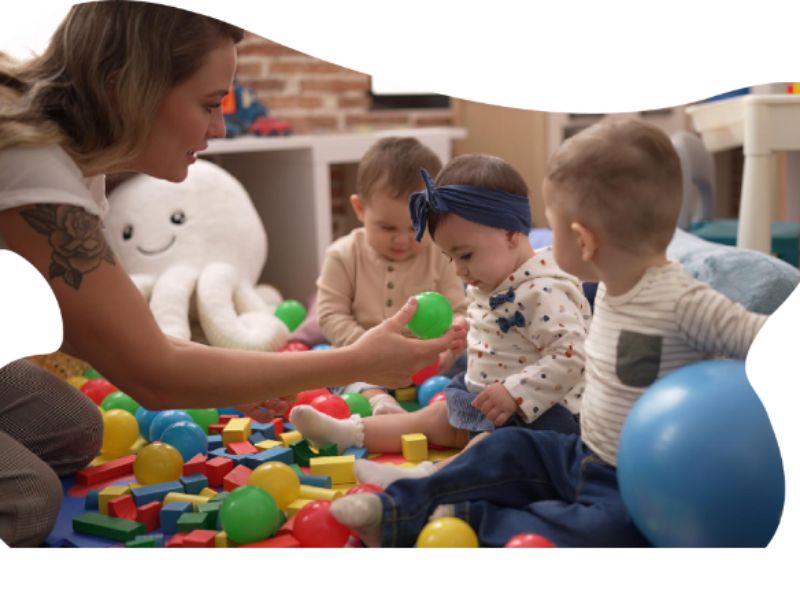
The first year of a child’s life is full of remarkable changes. Babies learn through sounds, movement, touch, faces, and everyday interactions. For working parents, finding a caring environment for these early months can bring many questions. Infant Daycare Brooklyn can provide a structured setting where babies receive attention while beginning to explore the world around them. Discovery PitStop creates an early learning environment designed to support young children at different stages. Its infant program is intended for babies from 4 to 12 months, giving families an option for care during an important period of early development.
What Makes Infant Care Different?
Infants have needs that are different from those of toddlers and preschoolers. They depend on adults for comfort, feeding, rest, hygiene, and safety. They are also developing rapidly and need opportunities to move, observe, listen, and interact.
A thoughtful infant setting should balance care routines with gentle experiences that encourage curiosity. Discovery PitStop focuses on creating a welcoming atmosphere where babies can become familiar with caregivers and their surroundings. Consistency and responsive attention can help make the daily transition easier for both children and parents.
Early Development Through Everyday Moments
Babies do not need complicated lessons to learn. Ordinary moments can become opportunities for development. Talking during routines, singing a simple song, looking at picture books, or offering safe objects to explore can encourage different skills.
Parents considering Infant Daycare Brooklyn may want to ask how learning is included in the baby’s daily routine. Activities should be suitable for an infant’s age and abilities rather than feel like formal classroom instruction.
How Do Babies Learn Through Play?
Play allows babies to discover cause and effect, practice movement, and respond to people around them. A soft toy, mirror, textured object, or musical activity can encourage a baby to look, reach, listen, and react.
Caregivers can follow a baby’s cues and provide experiences that match their stage of development. These small interactions can support early communication, sensory awareness, and physical exploration.
Building Comfortable Daily Routines
Infants often benefit from familiar routines. Regular patterns around feeding, naps, play, and care can give babies a sense of predictability. At the same time, infants do not all follow identical schedules.
When parents compare Infant Daycare Brooklyn options, they can ask how the center handles naps, meals, comfort needs, and changes in a baby’s routine. At Discovery PitStop, communication with families can help caregivers understand the child’s usual habits.
Sharing useful information about sleep, feeding, preferences, and daily changes can support a more consistent experience for the child.
A Safe and Supportive Environment
Safety is a central concern when choosing infant care. Parents naturally want to understand how babies are supervised and how the environment is maintained.
Families can ask about:
- Supervision practices
- Safe sleep routines
- Cleaning procedures
- Emergency policies
- Staff training
- Infant-to-caregiver arrangements
- Communication with parents
These questions can help families understand how an infant program operates. A visit can also give parents a chance to observe the space and ask about everyday routines.
For families exploring Infant Daycare Brooklyn, looking at the physical environment is just as useful as reading about a program online. A calm, organized, and age-appropriate space can make daily care more comfortable.
Encouraging Communication From the Start
Even before babies use words, they communicate constantly. They may smile, cry, make sounds, move their arms, look toward something interesting, or change their expressions.
Caregivers can respond to these signals by talking, singing, making eye contact, and giving babies time to respond. These interactions introduce the back-and-forth patterns that become important for later communication.
Discovery PitStop provides opportunities for young children to experience language and social interaction throughout the day. Simple conversations and songs can make ordinary routines more engaging.
Supporting Physical Exploration
Infants gradually gain control over their bodies. They learn to hold objects, reach, roll, sit, crawl, and eventually move in new ways. Each stage brings different opportunities for exploration.
An infant classroom can provide safe opportunities for movement while caregivers remain attentive. Age-appropriate floor activities, supervised exploration, and accessible materials can encourage babies to practice developing physical abilities.
Parents researching Infant Daycare Brooklyn can ask what types of movement and sensory activities are included. The answer can help them understand how the center supports development beyond basic care.
Why Is Sensory Play Useful?
Sensory experiences allow babies to learn through sight, sound, touch, and movement. Different textures, sounds, shapes, and safe materials can encourage observation and curiosity.
Sensory play should always be age-appropriate and supervised. The purpose is to give babies opportunities to explore safely rather than overwhelm them with too many experiences at once.
Creating Connections With Families
Parents and childcare providers share an important role in a baby’s early experience. Families can provide information about a baby’s personality, routines, preferences, and changes at home.
Teachers and caregivers can share observations from the childcare day. This two-way communication can help everyone understand how the baby is adjusting and developing.
When parents evaluate Infant Daycare Brooklyn programs, they can ask how updates are shared and how families can communicate with caregivers. Clear communication can make parents feel more connected to their child’s day.
Discovery PitStop values relationships with families and aims to create a supportive experience around early learning. Keeping communication open can help build trust over time.
A Welcoming Approach to Early Learning
Every baby develops at a different pace. One infant may be very interested in sounds, while another may spend more time watching people or exploring objects. Caregivers can observe these differences and adjust activities accordingly.
An early learning environment should give babies room to develop naturally. The goal is not to rush milestones but to provide safe opportunities for exploration and interaction.
Discovery PitStop draws inspiration from Montessori and Reggio Emilia approaches. These educational ideas can encourage exploration, independence, and attention to children’s interests, adapted appropriately for early childhood.
What Should Parents Ask Before Enrollment?
Choosing infant care is a personal decision. Parents can prepare questions before visiting a center so they can compare programs based on their own needs.
Useful questions include:
- What is the daily schedule?
- How are feeding and nap routines handled?
- How are parents updated during the day?
- What activities are suitable for infants?
- How does the center respond when a baby is upset?
- What are the enrollment requirements?
- What are the program hours?
For anyone considering Infant Daycare Brooklyn, these conversations can provide practical information that may not appear in a short online description.
Frequently Asked Questions
What age does Discovery PitStop’s infant program serve?
Discovery PitStop’s infant program is designed for children from approximately 4 to 12 months. Families should contact the center to confirm current enrollment details and availability.
What should I bring for my baby?
Items can vary by childcare center and the baby’s individual needs. Parents should ask the center about clothing, feeding supplies, comfort items, diapers, and any other required materials.
How can I help my baby adjust to childcare?
A gradual introduction, familiar routines, and clear communication with caregivers can help. Parents can also share information about the baby’s usual sleep, feeding, and comfort patterns.
What should I look for during a visit?
Pay attention to cleanliness, organization, supervision, caregiver interactions, available activities, and how the center communicates with families. Ask questions about anything that is important to your child’s care.
Is early learning important for infants?
Yes. Infants learn continuously through relationships, movement, sensory experiences, language, and exploration. Responsive interactions can support development while making the child’s day engaging.
Choosing a Caring Start
The infant stage passes quickly, but it is an important period of growth. Babies are developing relationships, discovering their senses, practicing movement, and beginning to understand communication every day.
For families comparing Infant Daycare Brooklyn options, it helps to look at more than location or schedule. Consider the environment, caregiver approach, communication practices, daily routines, and opportunities for age-appropriate exploration.
Discovery PitStop provides infant care within a broader early learning setting, giving families a place to explore childcare options for young children. Its focus on caring relationships, development, play, and communication can help create meaningful everyday experiences.
The best childcare decision depends on each family’s circumstances and each child’s needs. By asking questions, visiting programs, and understanding daily routines, parents can make a thoughtful choice. A supportive beginning can give babies a comfortable place to explore, connect, and grow during their earliest months.