
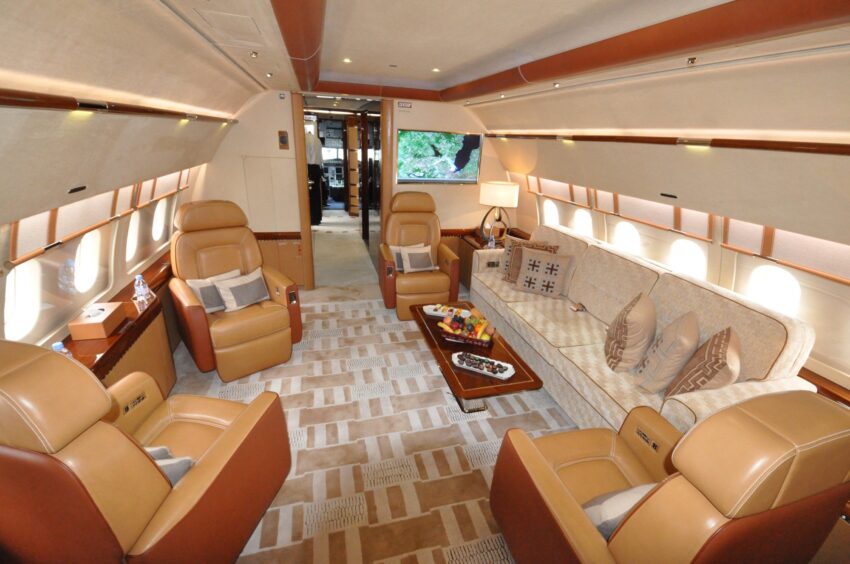
The quest toward achieving the ideal flight experience continues to take into account the biological dimensions of the jet’s cabin. Travelers in the early days of premium air travel viewed customer comfort as a relatively low bar to clear: a wide seat that reclined was the only metric that mattered. However, the modern customer now looks for the aircraft interior seats‘ ability to contribute to their wellness. With the advent of “Adaptive Comfort,” cabin seats are now viewed as a dynamic interface. Rather than a passive, unyielding piece of furniture, seats are programmed intelligently to respond to the traveler’s requirements, making real-time adjustments to provide comfort.
There is a growing acknowledgment of the fact that travel, especially air travel, involves high levels of performance. Seat functionality is undeniably key to achieving mental preparedness, especially for passengers embarking on high-stakes multi-million dollar meetings or restorative retreats.
The Design of Responsive Relaxation
The interiors of a modern luxury jet interior are increasingly sophisticated, with seating becoming the epicenter of an advanced wellness ecosystem. The innovation is found in the “invisible layers” of the seat, where engineering and artistry fuse to safeguard the human form.
- Kinetic Ergonomics: While most traditional seating options use rigid supportive structures, chairs of the future utilize “floating” internal supports. Such internal supports allow the chairs to adjust to the individual seating and working positions of each passenger and make sure their spine remains optimally supported throughout the flight.
- Atmospheric Buffering: The micro-vibrations produced by the aircraft are often a main source of discomfort for travelers. To address the issue, seat engineers utilize a form of magnetic levitation technology that allows for the isolation of a passenger from the seat frame. As a result, they can feel a form of weightlessness and their bodies are shielded from the subtle stresses of the engines.
- Smart-Cell Technology: Air-cell cushions that create a micro-massage effect by pulsing at a frequency that is undetectable to the human body are replacing traditional foam cushions. These micro-massages have a profound effect on the body’s circulation and lymphatic system, serving as a great remedy for the discomfort and swelling caused by prolonged sitting.
The Biometric Command Center
Perhaps the most impressive of all innovations is the introduction of biometric sensors into the seat. This allows the seat to continuously monitor the passenger’s vital signs and adjust the seating environment to optimal levels.
- Thermal Regulation: Sensors embedded in the seat contouring track your skin temperature. If the seat senses that you are getting too warm—an all-too-frequent reason for experiencing restless sleep—the seat will activate the cooling system that draws heat from the body through micro-perforations in the leather.
- Hydration Monitoring: Some prototype seats are now able to track heart rate variability and levels of perspiration. These parameters can indicate the early stages of dehydration. The cabin management system will then notify the crew to either offer water or preemptively modify the cabin humidity.
- Haptic Feedback: The shift to “clean cabin” design means no more large control buttons. In this seamless design, technology is more about touch control, where surfaces embedded under wood and leather are sensitive to a touch to eliminate buttons. Passengers can control their environment with a swipe of their hands, making the technology feel invisible.
The Future of the Human Experience
The trend in modern airline seat design is to eliminate the experience of jet lag entirely. With seats that offer a seamless sleeping surface transitioning from a “Zero-Gravity” position, the promise is that passengers will receive hotel-quality rest in the sky.
The fresh design innovations highlight the value of travel time in a new way. The seat is more than just a location to spend time and wait. It is an area to recuperate. With a focus on improving circulation, spinal alignment, and temperature, the aircraft becomes a means of longevity for both the professional and the individual. In aviation’s new era, the greatest luxury is not the flight’s speed. It is the ‘revitalized and refreshed’ passenger who disembarks from the aircraft.