
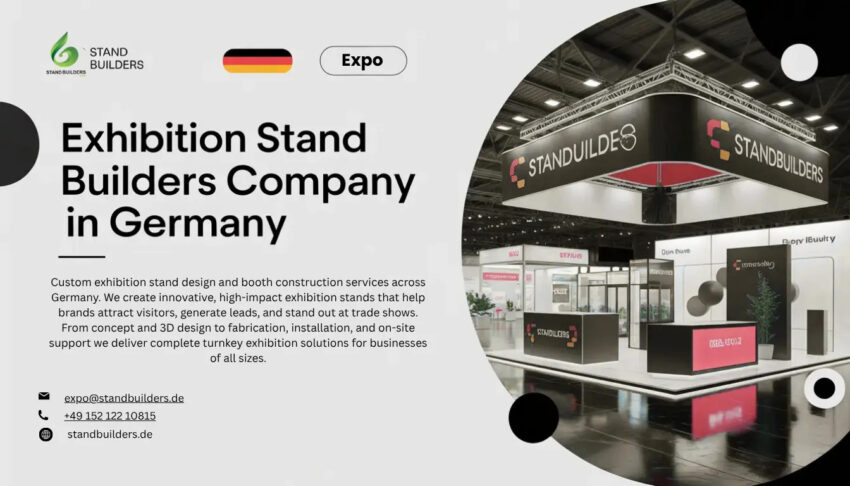
Germany is a major destination for international trade fairs. Every year, thousands of businesses come from all over the world to take part in exhibitions that showcase innovation, strengthen business relationships, and create new market opportunities. Cities like Essen have become major exhibition sites due to their strategic location, modern exhibition facilities, and strong industrial presence.
Participating in an exhibition involves more than just booking booth space. Every part of the preparation, from setting objectives to designing an engaging exhibition stand, plays a key role in shaping the overall experience. Businesses often spend months planning their participation to ensure that every detail matches their marketing and networking goals.
This is where the role of an Exhibition Stand Builders in Essen becomes essential. These professionals don’t just focus on construction; they also help with planning, functionality, visitor engagement, and practical execution. Knowing their role helps businesses make smart choices before exhibiting in Germany.
Understanding Germany’s Exhibition Landscape
Germany hosts some of the largest and most influential trade fairs across many industries, including manufacturing, healthcare, automotive, technology, food processing, engineering, and consumer goods. The country’s exhibition industry is known for its professionalism, creativity, and high visitor turnout.
Exhibitors choose German trade fairs because they provide access to decision-makers, industry experts, investors, distributors, and potential customers from various countries. Unlike many marketing methods, exhibitions offer direct face-to-face interaction, helping companies build credibility and establish meaningful business connections.
Essen attracts exhibitors from diverse sectors due to its excellent transportation system and modern exhibition venues. Businesses attending exhibitions here often seek thorough planning and practical stand solutions that reflect their brand while facilitating business discussions.
Why Careful Planning Matters Before an Exhibition
Successful exhibitions usually do not happen by accident. Planning starts months before the event and involves many strategic decisions that impact the final outcome.
One of the first steps is to define clear objectives. Some organizations participate to launch products, while others focus on generating leads, networking, meeting distributors, or raising brand awareness. Having a defined purpose shapes later decisions, including booth size, visitor engagement strategies, and staffing needs.
Location within the exhibition hall also deserves careful thought. Booth placement influences visitor flow, visibility, and accessibility. Corner spots, island stands, and entrances often experience different traffic patterns, making early planning crucial.
Businesses must also prepare promotional materials, product demos, logistics, staffing schedules, accommodation, transportation, and technical needs well before the exhibition begins.
The Growing Importance of Exhibition Stand Design
An exhibition stand is more than just a temporary display. It acts as a physical extension of a company’s brand identity and often creates the first impression for visitors.
Modern Exhibition Stand Design in Essen focuses on creating experiences instead of just displaying products. Designers combine architecture, lighting, branding, graphics, technology, and visitor flow to encourage meaningful interactions.
Today’s exhibition visitors expect visually appealing spaces that feel welcoming without being overwhelming. Open layouts, interactive displays, eco-friendly materials, comfortable meeting areas, and clear messaging are now common in German exhibitions.
Rather than just focusing on size, many exhibitors now value smart design that encourages conversations and supports business goals.
Different Types of Exhibition Stand Designs
Choosing the right stand design largely depends on exhibition goals, available space, budget, and target audience.
Shell scheme stands are popular among smaller exhibitors because they provide a practical starting point with basic infrastructure already included. These stands can still be customized through graphics, lighting, and branding for a professional look.
Modular exhibition stands offer flexibility and are frequently reused across various exhibitions. Their adaptable components allow businesses to change layouts for different venues while keeping brand consistency.
Custom-built stands provide complete creative freedom. Every structural detail is designed specifically for the exhibitor, allowing unique architectural concepts, immersive product experiences, and tailored visitor journeys.
Double-decker stands have also become more popular at larger exhibitions where maximizing limited floor space is crucial. These designs create separate meeting areas while maintaining open product display zones below.
Choosing among these options requires balancing creativity with practicality rather than focusing solely on visual appeal.
Budget Considerations Every Exhibitor Should Understand
Exhibition budgeting goes beyond stand construction costs. Many first-time exhibitors underestimate the number of expenses involved in the planning process.
Venue rental often represents one of the largest investments, especially at major international exhibitions. Additional costs may include stand construction, transportation, storage, graphic production, electrical setups, internet access, furniture rental, audiovisual gear, insurance, accommodation, travel, marketing materials, and staffing.
Unexpected expenses can come up if planning starts too late. Last-minute printing, expedited shipping, extra labor, or equipment changes can increase total costs.
Businesses that create detailed budgets early on usually face fewer surprises during exhibition preparation. Careful financial planning enables organizations to allocate resources towards visitor engagement instead of fixing avoidable logistical problems.
Industry Trends Shaping Exhibitions in Germany
The German exhibition industry is changing alongside evolving visitor expectations and advancements in technology.
Sustainability has become a major trend influencing exhibition planning. Many exhibitors now choose reusable stand systems, recyclable materials, energy-efficient lighting, and environmentally friendly construction practices.
Digital integration has also enhanced exhibition experiences. Interactive touchscreens, augmented reality demos, virtual product showcases, QR-enabled content, and data-driven visitor engagement are now more common.
Personalized visitor experiences are another growing trend. Instead of relying solely on printed brochures, exhibitors are creating tailored demos and consultation areas that encourage longer, more meaningful conversations.
Hybrid event strategies, which combine in-person exhibitions with digital engagements before and after events, continue to grow as businesses seek better returns on their exhibition investments.
Common Challenges Businesses Face During Exhibitions
Even experienced exhibitors face challenges that need careful preparation.
One common issue is attracting visitors without overwhelming them with too much messaging. Crowded graphics, complicated layouts, or unclear branding can lower visitor engagement, despite significant investment.
Time management is another challenge. Coordinating logistics, installation schedules, contractor communication, product deliveries, and staffing requires careful organization throughout the planning phase.
Maintaining consistency between marketing goals and stand design can also be difficult. An impressive-looking booth may not support product demos or business discussions if it lacks functional design.
International exhibitors must also deal with local regulations, venue requirements, language factors, and installation timelines when participating in German trade fairs.
Recognizing these challenges early helps businesses prepare practical solutions before the exhibition day.
Mistakes That Can Affect Exhibition Success
Several avoidable mistakes frequently occur across exhibitions, regardless of industry.
Poor planning often creates unnecessary stress during the final weeks before an event. Delayed design approvals, unfinished logistics, or unprepared staff can reduce overall exhibition effectiveness.
Another common error is prioritizing looks over visitor experience. Attractive stands should still allow for intuitive navigation, comfortable meeting spaces, and accessible product displays.
Some exhibitors underestimate the need for visitor engagement. Simply showing products rarely sparks meaningful discussions without interactive elements or knowledgeable staff to assist visitors.
Ignoring follow-up after the event is another missed chance. Exhibitions create valuable business connections that need timely communication once the event is over.
Learning from these common pitfalls enables businesses to approach future exhibitions more strategically.
Conclusion
Participating in exhibitions across Germany requires careful preparation and practical planning. A clear understanding of visitor expectations is crucial. Every decision, from budgeting and stand design to logistics and post-event follow-up, impacts the overall exhibition experience. Instead of focusing only on visual appeal, businesses should balance creativity with practicality and long-term marketing goals.
For organizations preparing to exhibit in Essen, understanding the role of an Exhibition Stand Builders Company in Essen can enhance that planning process. Working with skilled professionals who grasp exhibition requirements, construction processes, and venue expectations often leads to smoother project execution while allowing businesses to focus on meaningful engagement throughout the event.
FAQs
Why is Essen considered an important exhibition destination in Germany?
Essen hosts many international trade fairs across industrial, manufacturing, technology, and business sectors. Its modern exhibition facilities and strong transportation options make it an appealing destination for exhibitors worldwide.
What should businesses consider before selecting an exhibition stand?
Businesses should assess their exhibition objectives, available budget, booth location, target audience, branding needs, visitor engagement strategies, and the types of products or services being showcased.
What is the difference between modular and custom exhibition stands?
Modular stands use reusable components that can adapt for different events, while custom exhibition stands are designed specifically for one brand, providing more flexibility in layout, branding, and architectural creativity.
How early should exhibition planning begin?
Most experienced exhibitors start planning between six and twelve months before major trade fairs. Early preparation allows enough time for design development and logistics.