
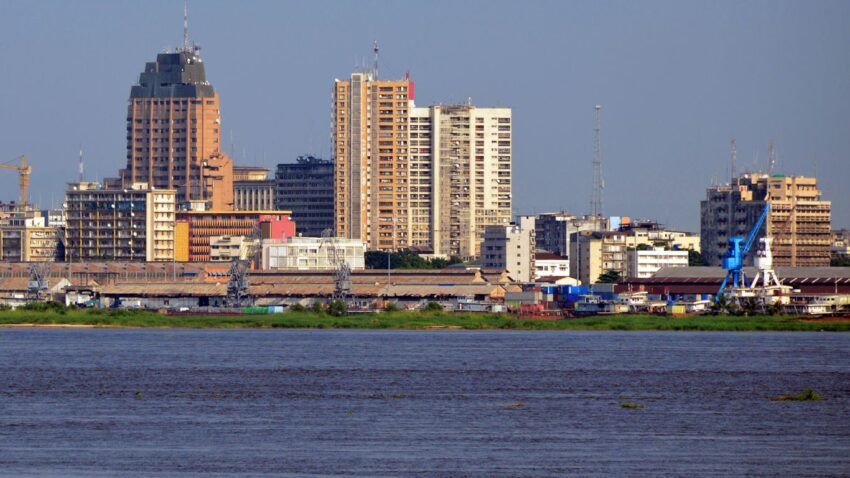
If there is one city in Africa that never sleeps, never stops dancing, and never runs out of color, it is Kinshasa. Sitting right along the sweeping curves of the Congo River, the capital of the Democratic Republic of the Congo (DRC) is a massive, high-energy metropolis of over 17 million people. It is a city where music is not just entertainment—it is a way of life, a form of news, and the very air people breathe.

If you are planning a trip to experience this raw, electric creativity firsthand, this guide will take you deep into the heart of Kinshasa’s world-famous art and music scenes.
1. Why is Kinshasa known as the creative heartbeat of Africa?
Kinshasa is a giant melting pot of more than 200 different ethnic groups. This incredible diversity has turned the city into a cultural pressure cooker where traditions from across the Congo basin collide with modern urban energy.
In recognition of this unique status, UNESCO officially designated Kinshasa as a “Creative City of Music.” Step onto any street corner in neighborhoods like Bandalungwa (locally called “Bandal”) or Matonge, and you will understand why. The air hums with the deep bass of street speakers, walls are covered in striking murals, and even the way people walk and dress feels like a performance.
2. What makes Congolese Rumba so special and globally recognized?
In 2021, UNESCO added Congolese Rumba to its list of the Intangible Cultural Heritage of Humanity. But long before that official stamp of approval, Rumba was already the soundtrack of the African continent.
Originating from traditional vocal styles mixed with Cuban rhythms brought back to Africa in the mid-20th century, Congolese Rumba is characterized by its sweet, melancholic guitar melodies, rich vocal harmonies, and slow, sensual dance steps. It is a genre that tells the story of the nation—its struggles, its joys, and its love stories.
3. Who are the legendary musicians who put Kinshasa on the map?
You cannot talk about Kinshasa’s music without honoring the giants who built it. As you explore the city, you will hear their names spoken with deep reverence:
- Grand Kallé: The father of modern Congolese music, famous for “Indépendance Cha Cha,” the anthem of African independence in 1960.
- Franco Luambo & TPOK Jazz: Franco was a master guitarist whose sweeping, political, and daily-life storytelling made him a national icon for decades.
- Papa Wemba: Known as the “King of Rumba Rock,” he infused traditional music with modern rock beats and pioneered a global fashion movement.
- Fally Ipupa and Koffi Olomide: The modern-day superstars who have taken Congolese music (including fast-paced sub-genres like Ndombolo and Soukous) to sold-out stadiums in Paris, London, and New York.
4. What is “La Sape” and why is fashion considered an art form in Kinshasa?
In Kinshasa, fashion is not just about clothes; it is a peaceful, theatrical protest and a high art. Enter the world of La Sape (the Society of Ambiance-Makers and Elegant People). Members of this movement are called Sapeurs.
Historically emerging during the colonial era as a way for Congolese men to reclaim their identity, Sapeurs today parade down dusty, bustling neighborhood streets dressed in immaculate, high-end designer suits (think bright pink silk jackets, tailored trousers, and polished leather shoes). They treat the street as a runway, showing off their style with theatrical poses and dances that leave crowds cheering.
5. Where can you experience live music in Kinshasa?
To truly experience Kinshasa’s music, you have to go where the locals go. Avoid staying cooped up in your hotel and head to these iconic spots:
- Bandal (Bandalungwa): This neighborhood is the undisputed nightlife capital of Kinshasa. The streets are lined with ngandas (open-air bars) spilling out onto the pavements, playing deafeningly loud music as patrons enjoy local beers.
- Matonge: Another legendary musical hub. It is home to many recording studios and historic venues where Rumba legends used to rehearse.
- Village Chez Ntemba: A famous nightclub chain that has been a staple of the Kinshasa party scene for decades, playing the latest Soukous and Ndombolo hits until sunrise.
6. What is the Académie des Beaux-Arts and why should you visit it?
If you want a quiet break from the high-decibel streets, head to the Académie des Beaux-Arts in the Gombe district. Founded in 1943 by a Belgian missionary, this leafy, peaceful campus is the oldest and most prestigious art school in Central Africa.
As you stroll through the shaded grounds, you will see students carving massive wooden sculptures under the trees, painting vivid canvases, and practicing metalwork. It is a living, breathing museum where you can purchase authentic, cutting-edge contemporary African art directly from the next generation of masters.
7. Where are the best art galleries and street art spots in Kinshasa?
Kinshasa’s art scene goes far beyond the walls of the academy. If you are looking to see and buy art, make sure to add these to your itinerary:
- Symphonie des Arts: A beautiful gallery set in a lush, green garden, featuring an incredible collection of paintings, woodcarvings, and traditional masks.
- The Streets of Limete: This neighborhood is a hotspot for contemporary street murals and public sculptures made from recycled materials, reflecting the city’s eco-conscious, DIY art movement.
- Marché des Valeurs (The Art Market): A bustling market where local artisans sell everything from hand-woven baskets and beaded jewelry to copper paintings and traditional musical instruments.
8. How does Kinshasa’s street culture influence its modern art?
Kinshasa’s modern artists do not just paint pretty landscapes; they paint reality. A famous movement called Popular Painting (pioneered by artists like the late Chéri Chérin) uses bright colors and cartoonish styles to tackle everyday political struggles, street life, and social issues with a heavy dose of humor and irony.
Furthermore, many young artists utilize trash, plastic bottles, and discarded metal scraps from the city’s streets to build towering, thought-provoking sculptures that speak to global issues of consumerism and waste.
9. When is the best time of year to experience Kinshasa’s festivals?
While the city’s energy is constant, visiting during a cultural festival adds an extra layer of magic to your trip:
- Fête de la Musique (June): Kinshasa celebrates this global festival with massive, free open-air concerts across the city, featuring everyone from underground street rappers to established Rumba legends.
- Kinshasa Jazz Festival (September): A wonderful event that brings together local jazz virtuosos and international musicians for cozy, soulful performances.
10. What traditional foods should you try while exploring Kinshasa’s culture?
Art and music are best enjoyed on a full stomach! Congolese food is rich, hearty, and full of flavor. Between your gallery visits, sit down at a local restaurant and order:
- Poulet à la Moambe: The national dish, consisting of tender chicken cooked in a thick, savory sauce made from palm butter and spices.
- Fufu: A dough-like staple made from cassava flour, used to scoop up delicious stews and sauces.
- Liboke: Fish or meat seasoned with chili, onions, and garlic, wrapped in banana leaves and slow-steamed to perfection.
- Saka-Saka: A rich, green side dish made from crushed cassava leaves, palm oil, and garlic.
11. Is it safe for tourists to explore the nightlife and music scenes in Kinshasa?
Kinshasa is a chaotic, intense city, and navigating it requires a bit of street smarts. While the people are incredibly warm, welcoming, and proud to show off their culture, pickpocketing and petty theft are common in crowded areas.
Tips for safe exploring:
- Hire a local guide: Having a local who knows the neighborhoods, speaks Lingala, and understands the social codes is invaluable.
- Keep valuables secure: Leave expensive jewelry at home, and keep your phone and wallet in secure, zipped pockets.
- Use registered taxis: Avoid hailing random yellow cabs on the street at night; instead, arrange transport through your hotel or use a trusted private driver.
12. How do you get a visa to travel to the Democratic Republic of Congo?
Before you can lose yourself in the rhythms of Kinshasa, you will need to secure a valid travel visa. The Democratic Republic of the Congo requires most international visitors to obtain a visa before arrival.
Thankfully, the process has been modernized. You can now apply for a Congo eVisa online, which eliminates the need to send your physical passport to an embassy. You will need to upload a few essential documents—including a scanned copy of your passport’s bio page, a passport photo, and an official invitation letter or hotel booking confirmation.
For a complete step-by-step breakdown of what you need to prepare, you can read the detailed Democratic Republic of the Congo Visa Requirements Guide.
Ready to Start Your Congo Adventure? Let Us Help!
Planning a trip to Kinshasa is incredibly exciting, but navigating the visa application process can feel overwhelming. That is where we come in! We streamline your travel preparation so you can focus on planning your musical and artistic itinerary.
Why Choose Us?
- Reliable Travel Visa ServicesOur global, travel-focused approach has successfully assisted numerous adventurers in obtaining their official visas to the Democratic Republic of the Congo without any hassle.
- Round-the-Clock AssistanceWe know travel plans can change in an instant. Reach out to our dedicated support team 24/7, and our visa experts will respond to your queries within 72 hours with clear, actionable solutions.
- Experienced Visa ConsultantsA single mistake on your application can lead to a delay or rejection. Receive expert, personalized guidance from our team to ensure your documentation is flawless and your application is accepted.
- Efficient Visa Application ProcessNo long embassy lines, and no complicated jargon. Apply for your Congo Visa in a matter of minutes using our highly simplified and intuitive online form.