
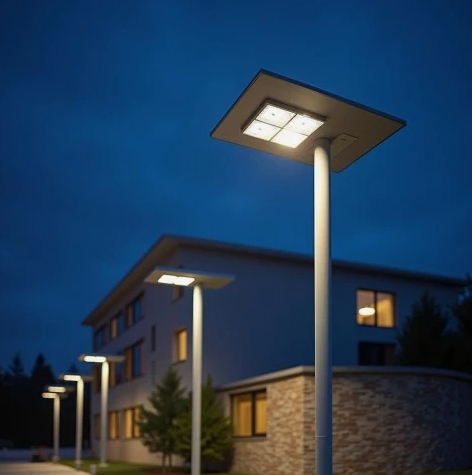
A well-designed commercial property is about more than attractive architecture and quality landscaping. One of the most important elements that contributes to a business’s appearance, safety, and functionality is exterior lighting. Professional outdoor lighting not only improves visibility after dark but also creates a welcoming environment for customers, employees, and visitors. Whether illuminating retail storefronts, office buildings, industrial facilities, hotels, or healthcare centers, exterior lighting plays a significant role in enhancing both operational efficiency and brand image.
Businesses investing in exterior commercial lighting recognize that effective lighting is a long-term investment that delivers multiple benefits beyond simple illumination. Modern commercial lighting systems improve property security, increase customer confidence, support workplace safety, and reduce energy consumption through advanced LED technology and intelligent lighting controls. With professionally planned lighting solutions, businesses can create attractive, functional environments that leave lasting impressions while maximizing operational performance.
Understanding Exterior Commercial Lighting and Its Importance
Exterior commercial lighting serves as a critical component of every commercial property’s infrastructure by providing visibility, enhancing security, and reinforcing a professional business image. Proper lighting allows customers to identify entrances, parking areas, walkways, and building features with ease, even during nighttime hours or poor weather conditions. It also helps reduce accidents by illuminating potential hazards and improving navigation throughout the property. Beyond functionality, strategically placed lighting highlights architectural details and landscaping, creating an inviting atmosphere that encourages customer engagement while strengthening brand perception.
Why Professional Commercial Lighting Matters
Professional lighting design involves much more than installing outdoor fixtures. Experienced lighting specialists evaluate the property’s layout, traffic patterns, building architecture, energy requirements, and operational needs to develop a customized lighting solution. Proper fixture placement, beam angles, brightness levels, and color temperatures all influence the effectiveness of a lighting system. Professionally designed installations eliminate dark spots, minimize glare, and provide consistent illumination that enhances both safety and aesthetics. High-quality lighting systems also comply with electrical standards and local regulations, ensuring reliable performance while protecting employees, customers, and property.
Types of Exterior Commercial Lighting Solutions
Commercial properties benefit from a wide range of outdoor lighting applications designed for specific purposes. Building façade lighting enhances architectural features and strengthens brand visibility, while parking lot lighting improves driver and pedestrian safety. Pathway and landscape lighting create welcoming entrances and highlight outdoor spaces, whereas security lighting helps deter unauthorized access and criminal activity. Wall-mounted fixtures, floodlights, pole lights, canopy lighting, illuminated signage, decorative accent lighting, and loading dock illumination each contribute to a property’s overall functionality and appearance. By combining multiple lighting solutions, businesses can achieve comprehensive coverage that supports both operational requirements and marketing objectives.
Choosing the Right Exterior Commercial Lighting
Selecting the right exterior commercial lighting requires careful planning and consideration of several important factors. Business owners should evaluate the size of the property, expected foot and vehicle traffic, operating hours, security concerns, local environmental conditions, and energy efficiency goals. Working with experienced commercial lighting professionals ensures that every fixture is selected based on performance, durability, and long-term operating costs. Lighting designers can also recommend advanced control systems, motion sensors, timers, and smart automation technologies that optimize energy consumption while maintaining appropriate illumination levels throughout the day and night.
Quality, Durability, and Energy Efficiency
Commercial outdoor lighting systems are expected to perform reliably in challenging environmental conditions, including rain, snow, wind, temperature fluctuations, and prolonged exposure to ultraviolet radiation. High-quality fixtures manufactured from corrosion-resistant materials such as aluminum and stainless steel provide exceptional durability while minimizing maintenance requirements. LED lighting has become the preferred choice for commercial applications because it offers significantly longer lifespans, lower energy consumption, reduced heat generation, and consistent light output. Combined with weather-resistant construction and professional installation, modern lighting systems deliver dependable performance while helping businesses reduce operating expenses and environmental impact.
Benefits of Investing in Professional Commercial Lighting
Investing in professional exterior lighting provides businesses with substantial long-term advantages. Improved visibility enhances customer safety and creates a positive first impression that reflects professionalism and attention to detail. Well-lit parking lots, entrances, and walkways reduce the likelihood of accidents while supporting a more comfortable customer experience. Enhanced security lighting discourages trespassing, vandalism, and theft by increasing visibility throughout the property. In addition, energy-efficient LED systems significantly reduce electricity costs and maintenance expenses compared to traditional lighting technologies. These combined benefits make exterior lighting one of the most valuable infrastructure investments for commercial properties seeking improved functionality, safety, and operational efficiency.
Future Trends in Commercial Outdoor Lighting
The commercial lighting industry continues to evolve through rapid technological innovation and increased emphasis on sustainability. Smart lighting systems equipped with wireless controls, occupancy sensors, daylight harvesting technology, and remote monitoring capabilities allow businesses to optimize energy usage while maintaining ideal lighting conditions. Solar-powered lighting solutions are becoming increasingly practical for certain applications, helping organizations reduce their environmental footprint and operating costs. Advanced LED technology continues to improve brightness, efficiency, and color quality, while integrated automation enables businesses to adapt lighting schedules according to occupancy patterns and seasonal requirements. These innovations position commercial lighting as a key component of modern smart building strategies.
Conclusion
Exterior lighting is far more than a functional necessity—it is an essential investment that supports safety, security, energy efficiency, and brand visibility. Professionally designed exterior commercial lighting systems create welcoming environments, improve customer experiences, and enhance the overall appearance of commercial properties while delivering long-term operational savings. By partnering with experienced lighting professionals and investing in high-quality, energy-efficient solutions, businesses can strengthen their property value, reduce maintenance costs, and create a lasting impression that reflects professionalism and reliability. As technology continues to advance, exterior commercial lighting will remain a critical element of successful commercial property management and business growth.