
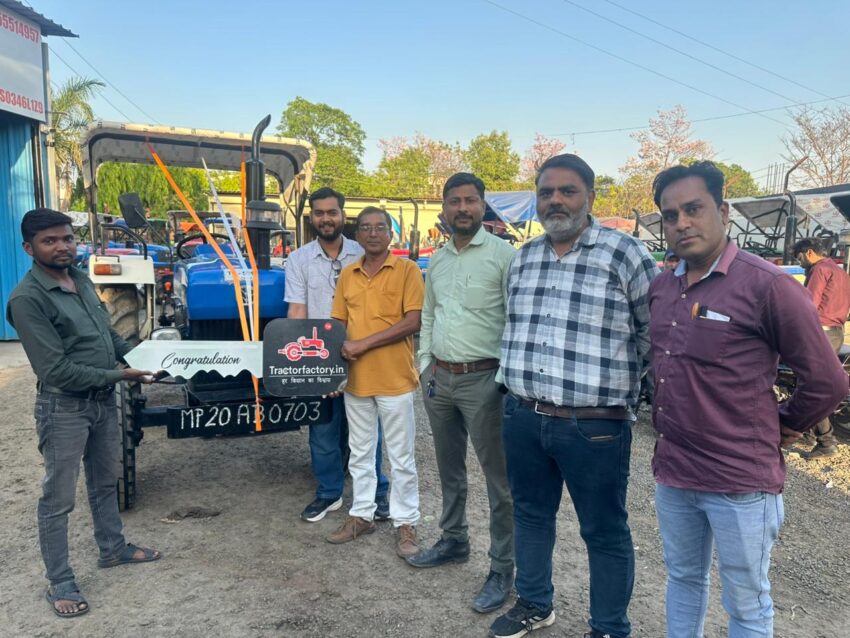
There’s something about a purana tractor that you don’t really understand until you’ve sat on one at sunrise. The metal is a bit rough, the paint is faded, and the engine doesn’t start with a gentle push—it growls awake, like it’s reminding you it still has work to do.
I’ve seen shiny new tractors come and go in villages. But the old ones? They stay. They carry stories. And honestly, they still get the job done.
Why a Purana Tractor Still Holds Its Value
People often assume that “old” means “useless.” That’s not how farming works.
A purana tractor isn’t just a machine—it’s an investment that has already proven itself. It has ploughed fields, carried loads, survived monsoons, and worked in dust that would choke most engines. That kind of reliability doesn’t come from brochures. It comes from years of use.
In many cases, farmers trust their old tractors more than new ones. They know how it behaves, what sound means trouble, and what vibration is normal. That familiarity is hard to replace.
And let’s be honest—when budgets are tight, a second-hand tractor makes practical sense.
The Feel of Driving an Old Tractor
Driving a purana tractor is… different.
There’s no smooth steering like modern machines. You actually feel the road—or the field. Every bump, every turn. The clutch is heavier, the gears need a bit of patience, and sometimes you even have to double-check before shifting.
But that’s the beauty of it.
You’re not just driving—you’re involved. Fully. It demands attention, and in return, it gives you control. I remember adjusting the throttle manually and listening closely to the engine, almost like a conversation. New tractors don’t give you that kind of connection.
Maintenance: More Hands-On, But More Honest
One thing you can’t ignore with a purana tractor is maintenance.
It needs care. Regular oil checks, tightening bolts, cleaning filters. Sometimes you’ll spend an afternoon just figuring out why it’s making a strange sound. And yes, it can be frustrating.
But here’s the flip side—these machines are simple.
You don’t always need a service center or expensive diagnostics. A local mechanic, or even your own experience, is often enough. Parts are usually cheaper, and in many areas, easily available.
It’s not maintenance-free, but it’s manageable. And that matters.
Cost Advantage That Actually Helps Farmers
Let’s talk money, because that’s where a purana tractor really shines.
Buying a new tractor can put a huge financial burden on small farmers. Loans, interest, pressure—it adds up. A used tractor, on the other hand, is far more affordable.
You can often get a decent purana tractor at a fraction of the cost of a new one. And if you choose wisely, it can serve you for years without major issues.
For many farmers, this isn’t just an option—it’s the only realistic way to own a tractor.
Durability That Comes From Simplicity
Modern tractors come with features—lots of them. Digital displays, sensors, automated systems.
But older tractors? They’re built differently.
Fewer electronics mean fewer chances of sudden failure. The engine design is usually straightforward. Strong metal body, simple mechanics, and less dependency on complex systems.
I’ve seen purana tractors running even after 20–25 years. Not perfectly, of course. But they keep moving. That kind of durability is hard to ignore.
Common Issues You Should Watch For
Now, it’s not all perfect. A purana tractor does come with its share of problems.
Sometimes the engine may have reduced power. Fuel efficiency might not be great compared to newer models. You might notice oil leaks, worn-out tyres, or weak hydraulics.
And then there are those small, annoying issues—like starting trouble on cold mornings or brakes that need constant adjustment.
The key is awareness.
Before buying, always check:
- Engine condition
- Gearbox smoothness
- Hydraulic lift performance
- Tyre wear
- Overall body condition
A quick inspection can save you from big headaches later.
The Emotional Side of Owning One
This might sound a bit unusual, but there’s an emotional connection with a purana tractor.
In many families, the tractor has been there for years—sometimes decades. It has helped grow crops, support income, and even build homes.
I’ve seen farmers refer to their tractors almost like a family member. They remember when it was bought, how it performed in tough seasons, and the repairs it went through.
Selling it isn’t just a transaction. It’s a decision that carries memories.
When a Purana Tractor Makes More Sense Than a New One
There are situations where choosing a purana tractor is actually the smarter move.
If your landholding is small, or your usage is limited, investing in a new tractor might not give you good returns. In such cases, an old tractor does the job without putting pressure on your finances.
Even for secondary use—like transport or light farming work—a purana tractor is more than enough.
It’s not always about having the latest model. It’s about having something that works when you need it.
Tips for Buying a Good Purana Tractor
Buying an old tractor is not just about price. You have to be careful.
First, try to buy from a trusted seller. If possible, choose a tractor with known history—maybe from a nearby farmer.
Second, don’t rush. Spend time inspecting. Start the engine, take a test drive, listen carefully. If something feels off, it probably is.
Third, bring along someone experienced. A second opinion can make a big difference.
The Changing Perception of Old Tractors
Interestingly, the way people see purana tractors is changing.
Earlier, they were seen as outdated or temporary solutions. But now, many farmers and even small businesses actively look for used tractors.
There’s a growing understanding that value doesn’t always mean new.
Online platforms, local dealers, and even village networks are making it easier to buy and sell old tractors. It’s becoming a proper market, not just informal deals.
Conclusion: Old, But Far From Finished
A purana tractor may not look impressive at first glance. The paint is chipped, the seat might be worn out, and the engine sound is louder than it should be.
But spend some time with it, and you’ll see something else.
You’ll see reliability. Practicality. A machine that has already proven itself over time.
It’s not perfect—and that’s exactly why it feels real.
In a world that’s always chasing new things, the purana tractor quietly keeps working in the background. No noise, no show-off. Just honest work, day after day.
https://tractorfactory.weebly.com/blog/built-tough-when-machines-were-made-to-last