
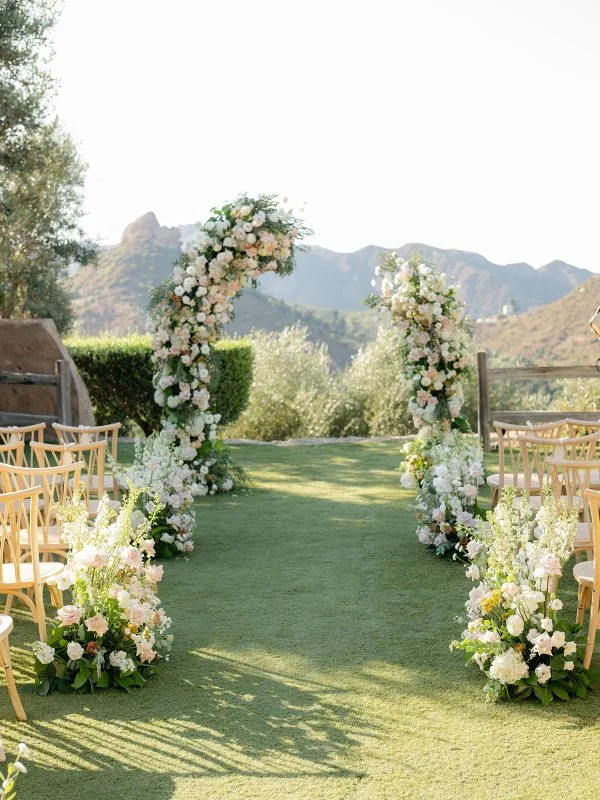
Your wedding flowers do more than decorate a room. They set a mood, tell a story, and show up in every photo you will keep for the rest of your life. Most couples underestimate how many floral wedding arrangements go into a single wedding day — and that gap between expectation and reality is where budgets get blown and timelines fall apart. This guide walks you through every type of wedding flower arrangement, what each one does, and how to make smart decisions before you book a florist.
Why Flowers Matter More Than You Think
Flowers are one of the first things your guests notice when they walk in. Before anyone finds their seat or takes a sip of water, the florals have already made an impression.
A well-designed floral plan connects every space — from the ceremony aisle to the reception bar — into one visual story. Without that plan, even the most expensive blooms can feel random and disconnected.
If you are planning a wedding right now, this is the most useful thing you can do: understand every flower placement before you sit down with a florist. It saves time, avoids miscommunication, and helps you spend where it counts.
The Bridal Bouquet: Your Most Photographed Piece
Every floral wedding arrangement at your wedding matters, but the bridal bouquet gets more camera time than anything else. It appears in your ceremony shots, portraits, detail photos, and reception moments.
Your bouquet should match your dress, feel comfortable in your hands, and reflect the overall style of your wedding. A loose, gathered bouquet with cosmos and soft grasses reads romantic and relaxed. A structured round bouquet with garden roses feels polished and classic. A cascading waterfall bouquet creates drama and works beautifully for formal venues.
Choose a style that feels like you — not just what looked good on someone else’s inspiration board.
Bridesmaid Bouquets and Personal Flowers
Bridesmaid bouquets should complement your bouquet without competing with it. Florists often use the same bloom varieties in smaller quantities, or pull one color from the bridal bouquet and build around that.
Boutonnieres for the groom and groomsmen are small but important. A well-made boutonniere ties the men’s look to the broader floral palette. It usually features one or two focal blooms with a sprig of greenery, pinned or magnetically attached to the lapel.
Flower crowns, floral cuffs, and wearable pieces are optional — but they add a personal and memorable touch for the bridal party.
Ceremony Flowers: Frame the Most Important Moment
Your ceremony space is where the biggest visual impact happens, and it deserves careful attention.
Ceremony arch or altar arrangement — This is typically the largest single piece in your entire floral plan. A floral arch frames your vows and serves as the backdrop for your ceremony photos. You can go lush and full, or clean and minimal with just one side decorated. Grounded florals placed at the base of an altar — instead of a traditional overhead arch — feel modern and intentional.
Aisle markers — Small arrangements placed at the end of each pew or chair row. These guide your guests’ eyes toward the altar and add depth to your ceremony space. They can be simple greenery bundles or fuller blooms tied with ribbon.
Aisle petals — Flower petals scattered down the center or sides of the aisle create a soft, romantic pathway. For a more dramatic effect, arrange them in an ombre pattern from light to deep color.
Welcome sign florals — A decorated welcome sign is the first floral element your guests encounter. Greenery wrapped around the frame or a small arrangement at the base sets the tone before they even step inside.
Reception Flowers: Where Design Gets Personal
The reception is where your floral plan truly expands. More surfaces, more opportunities, more decisions.
Centerpieces — Every guest table needs one. Centerpieces vary in height, shape, and density. Low centerpieces encourage conversation across the table. Tall, dramatic pieces make a statement in large venues. Compote arrangements — flowers spilling over a raised bowl — feel lush and romantic. A single-variety centerpiece, like all tulips or all orchids, makes a bold, modern statement.
Floral table runners — Often used on long rectangular tables, a floral runner ties the whole tabletop together. It can be dense with peonies and ranunculus, or understated with just eucalyptus and soft greenery.
Sweetheart or head table — This table frames the couple and appears in many reception photos. A floral arch behind the couple, a low runner across the table, or garlands along the table edge all work beautifully here.
Bar arrangements — Your guests spend a lot of time near the bar. Tall vase arrangements or greenery garlands draped along the bar front dress up the space without taking up surface area.
Cake table — Small bud vases, a garland draped across the front, or a few fresh blooms placed on the cake itself add a finished look to your dessert display.
Flower Walls, Garlands, and Statement Installations
These are the pieces that transform a venue from beautiful to unforgettable.
A flower wall — a full backdrop of blooms — works behind the ceremony, at the sweetheart table, or as a photo booth backdrop. It is one of the most photographed elements at any wedding.
Floral garlands are long ropes of greenery and blooms. They drape beautifully over entryways, bar fronts, banisters, and mantels. A garland can stretch a floral budget because greenery is more affordable than flowers, yet the visual effect is full and lush.
Hanging floral chandeliers and floral clouds suspended above a dance floor or dining area create an immersive experience. These installations require more labor, but the impact is worth every dollar if your venue ceiling can support them.
Luxury Faux Floral Arrangements: A Practical Alternative Worth Considering
Not every piece needs to be fresh. Luxury faux floral arrangements have come a long way. Today’s high-quality artificial blooms are nearly indistinguishable from real ones in photos.
Luxury faux floral arrangements work especially well for items you want to keep after the wedding — like a centerpiece for your home or a decorative arch a venue allows you to leave in place. They also hold up better in outdoor summer heat or cold winter venues where fresh flowers can wilt within hours.
Some couples mix fresh and faux strategically. Fresh blooms for the bridal bouquet and ceremony arch, luxury faux floral arrangements for table decor or a flower wall backdrop. It is a practical way to maintain a high-end look while managing costs without cutting corners on what your guests actually see.
How to Build a Smart Floral Budget
Flowers typically account for 8 to 15 percent of your total wedding budget. Before you meet with a florist, list every space and piece you want florals for. Be specific.
Ask your florist for an itemized proposal. You should see personal flowers, ceremony pieces, reception centerpieces, delivery fees, setup labor, and breakdown charges listed separately. Bundled quotes make it hard to compare or adjust anything later.
A few ways to stretch your floral budget without losing quality: choose seasonal blooms, lean into greenery as a filler, reuse ceremony flowers at the reception, and focus your spending on high-traffic photo areas — the arch, the sweetheart table, and the bar.
Book your florist 9 to 12 months in advance. Spring and fall wedding dates fill up fast, and florists who understand your vision take time to find. Waiting too long means fewer choices and tighter design flexibility.
Popular Flowers to Know Before You Choose
Some blooms are more versatile than others. Roses work in almost every arrangement — bouquets, centerpieces, arches, and cake decor. Garden roses give a fuller, more romantic look than standard varieties.
Peonies are a spring favorite. They bring soft, ruffled texture and a gentle fragrance. Dahlias offer striking shape and come in dozens of color varieties. Ranunculus is a budget-friendly option that photographs beautifully.
For greenery, eucalyptus is the most versatile filler available. It drapes well, smells fresh, and pairs with almost any flower. Ruscus and olive branches add a Mediterranean feel. Ferns and wispy grasses suit wildflower and meadow-style designs.
Knowing these basics helps you have a more productive conversation with your florist — and helps you understand why certain choices cost more than others.
Make Your Wedding Flowers Work for You
Your flowers should feel like a natural extension of your wedding — not an afterthought or a last-minute decision. Every arrangement, from your bouquet to the garland on the bar, shapes the experience your guests will remember long after the night ends.
Start by mapping out every floral moment in your day. Then work with a florist who listens, understands your vision, and knows how to execute it across every space. Good floral wedding arrangements do not happen by accident — they start with a clear plan and the right creative partner.
XO Bloom designs luxury wedding florals across Southern California, from intimate ceremonies to large-scale reception spaces. If you want flowers that feel elevated, cohesive, and completely personal — their team handles every detail from the first consultation to the final setup. Visit us to begin planning your wedding florals today.
Frequently Asked Questions
- How far in advance should I book a wedding florist?
Book your florist 9 to 12 months before your wedding date. Spring and fall weekends fill the fastest. The earlier you book, the more creative flexibility you have in design.
- What is the most important floral arrangement at a wedding?
The bridal bouquet gets the most camera attention, but the ceremony arch or altar arrangement creates the biggest in-room visual impact. Both deserve priority in your floral budget.
- Are luxury faux floral arrangements a good choice for weddings?
Yes — especially for outdoor weddings, keepsake pieces, or couples managing a tighter budget. High-quality luxury faux floral arrangements photograph beautifully and hold up in heat or cold where fresh flowers can struggle.
- How much should I budget for wedding flowers?
Most couples spend between 8 and 15 percent of their total wedding budget on florals. On a $30,000 wedding, expect to invest $2,400 to $4,500 depending on your bloom choices, guest count, and the number of custom installations you want.
- Can I reuse ceremony flowers at the reception?
Absolutely. Aisle arrangements can move to the head table. The ceremony arch can become a photo booth backdrop. Reusing florals across your day is one of the smartest ways to maximize your investment without sacrificing impact.