
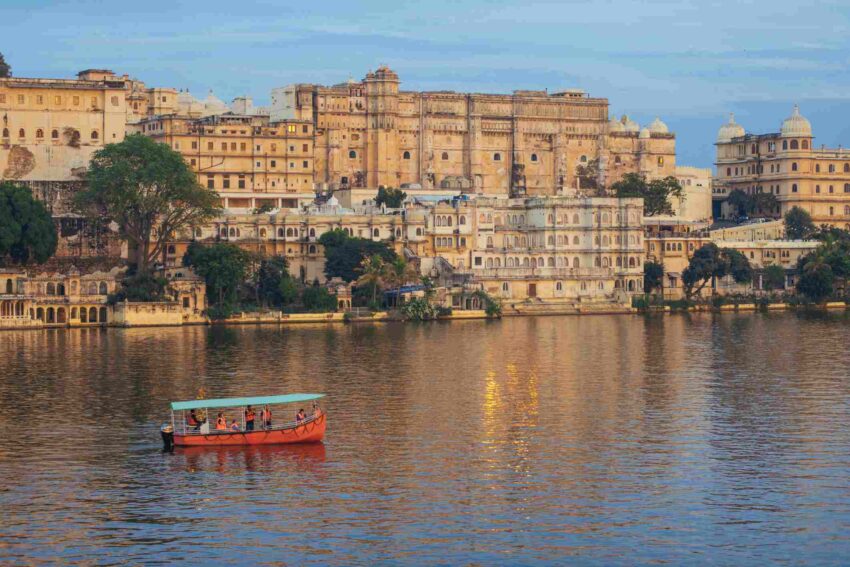
Rajasthan, the “Land of Kings,” is synonymous with grandeur, valor, and timeless beauty. Exploring the Forts & Palaces in Rajasthan is like stepping back into history, where every stone whispers stories of dynasties, battles, and royal lifestyles. While its deserts, colorful festivals, and vibrant culture attract millions of visitors, the true essence of Rajasthan lies in its magnificent forts and palaces. These architectural marvels narrate tales of bravery, romance, and opulence, making Rajasthan one of the most sought-after destinations for heritage tourism.
🌍 Introduction to Forts & Palaces in Rajasthan
Rajasthan’s forts and palaces are not just monuments; they are living legacies of Rajputana pride. Built between the 8th and 18th centuries, these structures showcase a blend of Rajput, Mughal, and European architectural styles. Today, many of them are UNESCO World Heritage Sites, luxury heritage hotels, and cultural centers that preserve the state’s regal past.
🏰 Famous Forts in Rajasthan
1. Amber Fort (Jaipur)
- Built in the 16th century by Raja Man Singh.
- Known for its artistic Hindu architecture with influences of Mughal design.
- Highlights: Sheesh Mahal (Mirror Palace), Diwan-i-Aam, and elephant rides.
2. Mehrangarh Fort (Jodhpur)
- One of the largest forts in India, built by Rao Jodha in 1459.
- Perched 400 feet above the city, offering panoramic views.
- Houses museums with royal artifacts, weapons, and paintings.
3. Jaisalmer Fort (Jaisalmer)
- Also called Sonar Quila (Golden Fort).
- Built in 1156 by Rawal Jaisal.
- Unique as it is still inhabited, with shops, hotels, and homes inside.
4. Chittorgarh Fort (Chittorgarh)
- Largest fort in India, spread over 700 acres.
- Known for tales of Rani Padmini’s valor and sacrifice.
- Features Vijay Stambh (Victory Tower) and Kirti Stambh.
5. Kumbhalgarh Fort (Rajsamand)
- Built by Rana Kumbha in the 15th century.
- Famous for its 36 km long wall, second only to the Great Wall of China.
- Birthplace of Maharana Pratap.
6. Junagarh Fort (Bikaner)
- Built in the late 16th century by Raja Rai Singh.
- Unique as it was never conquered.
- Known for its ornate palaces and temples inside.
7. Taragarh Fort (Bundi)
- Built in 1354, offering stunning views of Bundi town.
- Famous for its reservoirs and murals.
🏯 Iconic Palaces in Rajasthan
1. City Palace (Jaipur)
- Built by Maharaja Sawai Jai Singh II.
- A blend of Rajput, Mughal, and European architecture.
- Houses museums, courtyards, and the royal residence.
2. Lake Palace (Udaipur)
- Built in the 18th century by Maharana Jagat Singh II.
- Located on Lake Pichola, now a luxury hotel.
- Known for its romantic setting and white marble beauty.
3. Umaid Bhawan Palace (Jodhpur)
- Built between 1928–1943, one of the largest private residences in the world.
- Partly a luxury hotel, partly a museum, and partly the royal residence.
4. Hawa Mahal (Jaipur)
- Built in 1799 by Maharaja Sawai Pratap Singh.
- Famous for its 953 jharokhas (windows) designed for royal women to observe street festivals.
5. Udaipur City Palace
- Built over 400 years by successive rulers.
- Overlooks Lake Pichola, with courtyards, balconies, and museums.
6. Jag Mandir (Udaipur)
- Built in the 17th century on an island in Lake Pichola.
- Known as the “Garden of Heaven.”
7. Lalgarh Palace (Bikaner)
- Built in the early 20th century by Maharaja Ganga Singh.
- A mix of Rajput, Mughal, and European styles.
🌱 Architectural Styles of Forts & Palaces in Rajasthan
- Rajput Architecture: Strong fortifications, ornate carvings, and grand courtyards.
- Mughal Influence: Use of marble, gardens, and symmetrical layouts.
- European Touch: Seen in later palaces like Umaid Bhawan and Lalgarh.
- Unique Features: Jharokhas, chhatris, frescoes, and mirror work.
🧭 Cultural Significance
- Forts and palaces are venues for festivals like Jaipur Literature Festival, Desert Festival (Jaisalmer), and Mewar Festival (Udaipur).
- Many palaces host weddings, cultural performances, and heritage walks.
- Museums inside these monuments preserve weapons, manuscripts, and royal attire.
🛠️ Activities for Tourists
- Heritage Walks: Guided tours explaining history and architecture.
- Light & Sound Shows: Narrating tales of valor and romance.
- Photography: Capturing intricate carvings, landscapes, and interiors.
- Luxury Stays: Experiencing royal hospitality in converted heritage hotels.
- Shopping: Local bazaars near forts and palaces offering handicrafts.
🌐 Challenges in Preserving Forts & Palaces
- Weathering: Harsh desert climate affects structures.
- Overcrowding: Popular sites face heavy tourist inflow.
- Conservation Needs: Requires continuous restoration.
- Commercialization: Balancing heritage with modern tourism.
📈 Economic & Cultural Impact
- Heritage tourism contributes significantly to Rajasthan’s economy.
- Provides employment for local artisans, guides, and hospitality workers.
- Promotes conservation awareness.
- Strengthens Rajasthan’s identity as India’s cultural capital.
🔮 Future of Forts & Palaces in Rajasthan
- Eco-Tourism: Focus on sustainable practices.
- Digital Promotion: Online booking and virtual tours.
- Global Recognition: UNESCO and international organizations promoting heritage.
- Community Participation: Local involvement in conservation and tourism.
✨ Conclusion
Forts & Palaces in Rajasthan are not just monuments—they are living legacies of India’s royal past. From the grandeur of Amber Fort to the romance of Udaipur’s Lake Palace, each structure tells a story of valor, devotion, and artistry. Exploring these sites is more than sightseeing; it is a journey into the soul of Rajasthan.
By visiting these forts and palaces, travelers not only connect with history but also contribute to preserving India’s cultural heritage. A trip to Rajasthan is not just a holiday—it is an immersion into timeless royalty.