
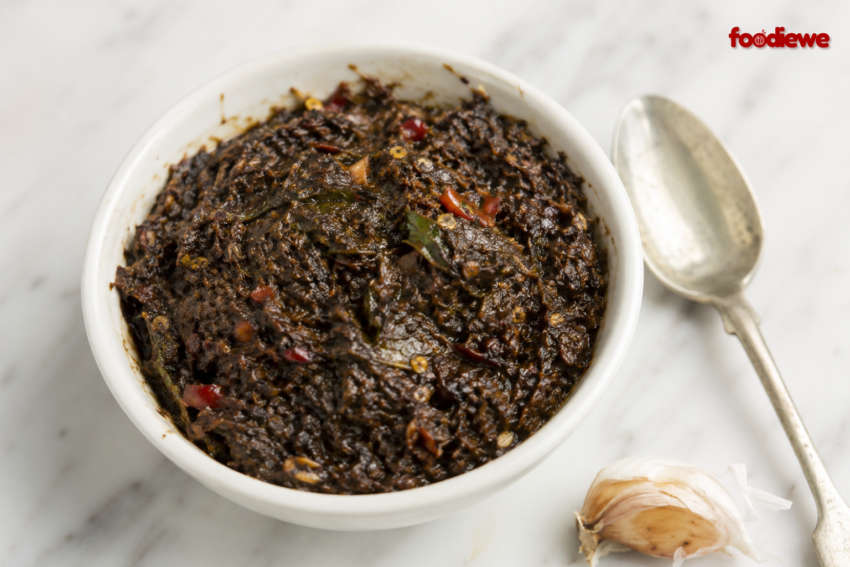
Most chutneys lean on lemon, tamarind, or raw mango for their sourness. Gongura chutney doesn’t need any of that — the sourness comes built into the main ingredient itself. That’s the part people find surprising when they first look at what actually goes into this recipe. Here’s a real breakdown of every ingredient and why each one earns its spot.
Quick Answer: Gongura chutney ingredients typically include 250g gongura leaves, 8–10 dried red chilies, 4–5 garlic cloves, and a tempering of mustard seeds and curry leaves — no tamarind or lemon needed since the leaves are naturally tart.
What Is Gongura Chutney and Why It Became a Street Food Icon
Gongura chutney is a tangy, spicy Andhra Pradesh condiment built almost entirely around gongura leaves, which carry a natural sourness close to raw tamarind. It became a household staple partly because Andhra Pradesh named gongura its official state leafy vegetable in 2011, a formal nod to how deeply the ingredient runs through Telugu cooking. What sets the gongura chutney recipe apart from other regional chutneys is that it doesn’t rely on any external souring agent — the leaf does that work on its own. A typical batch made with 250g of leaves costs under ₹50 to prepare and yields enough chutney for roughly two weeks of regular use.
How to Make Gongura Chutney Without Ruining It
Making gongura chutney well depends almost entirely on how you treat the core ingredients, not on any complicated technique. Here’s the process, step by step:
- Wash the gongura leaves and dry them fully before cooking. Skipping this means the leaves steam instead of sauté, and steamed leaves lose the concentrated tang that raw sautéing preserves.
- Cook the leaves with dried red chilies on medium-low heat. Adding the chilies too late means they don’t infuse properly into the leaf mixture, leaving pockets of raw heat instead of even spice.
- Cool completely before adding garlic and grinding. Garlic added while the mixture is still hot turns slightly bitter, which throws off the whole flavor balance.
- Grind coarse, then finish with a separate tempering. Blending the tempering in with everything else instead of pouring it on top afterward mutes the mustard seed’s flavor almost entirely.
Pro Tip: Use exactly 4 garlic cloves per 250g of leaves — more than that competes with the gongura’s natural tang instead of supporting it.
The Mistakes That Actually Ruin Gongura Chutney
Three ingredient-related mistakes come up again and again, and each one changes the final result more than people expect. Substituting spinach or regular sorrel for gongura leaves is the first — it might look similar, but the tang is noticeably weaker, and the chutney ends up bland no matter how much chili you add. Using stale or old dried red chilies is the second — they lose potency over time and give a dull, muddy heat instead of a clean spice kick. Skipping curry leaves in the tempering is the third, since they add an aromatic base note that’s genuinely hard to replace with anything else in the pantry. And here’s the honest caveat: even with all the right ingredients, gongura chutney’s flavor still shifts a bit depending on how tart that particular batch of leaves happened to be. For a thorough walkthrough with exact dough ratios and the tawa heat test explained, the Andhra gongura chutney recipe on Foodiewe.com is one to save.
Tips That Actually Help in an Indian Kitchen
A few ingredient-specific choices make a real difference in how the final chutney turns out. Fresh gongura leaves run about ₹15–20 a bunch at local markets, with the tartest batches usually showing up during the monsoon season. Stick with byadgi or Kashmiri dried red chilies for color without overwhelming heat, rather than the sharper varieties meant for pickles.
Coastal Andhra households often add a spoon of jaggery to the ingredient mix, while Telangana versions keep it purely sour with no sweetener at all. Serve the finished chutney with hot rice, a spoon of ghee, and a side of fried peanuts for extra crunch. And when checking gongura chutney online for pre-made options, look at the ingredient label first — the better ones list actual gongura leaves near the top, not as a minor add-in.
FAQ
What are the main ingredients in gongura chutney? The core gongura chutney ingredients are gongura leaves, dried red chilies, garlic, and a mustard-curry leaf tempering. Unlike most Indian chutneys, it needs no added tamarind or lemon since the leaves provide natural sourness.
Can I substitute any ingredient if gongura leaves aren’t available? Fresh sorrel or khatta palak can work in a pinch, though the tang will be noticeably milder than true gongura. Adding a small amount of tamarind pulp helps compensate for the missing sourness if substituting.
Do the ingredients in gongura chutney offer nutritional value? Gongura leaves are naturally rich in vitamin C and iron, and the chutney stays under 20 calories per tablespoon serving. Garlic and mustard seeds in the tempering also add small amounts of additional micronutrients.
Final Word
Every ingredient in gongura chutney earns its place — nothing here is filler. Once you understand why the leaves do the heavy lifting, the whole gongura chutney recipe makes a lot more sense.