
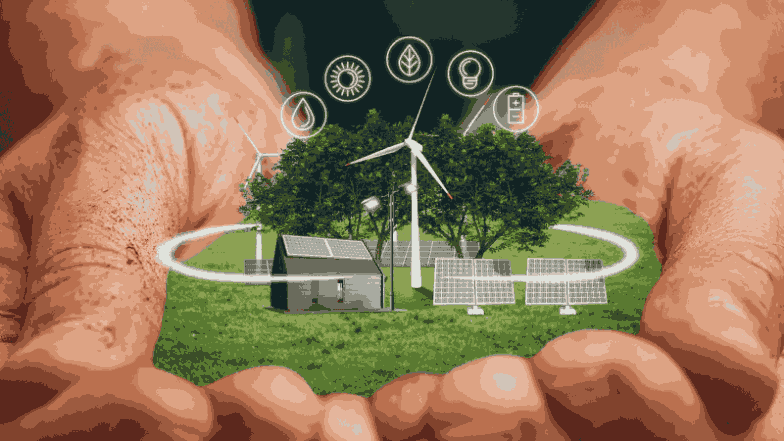
As the world intensifies its focus on sustainability and carbon reduction, energy-intensive industries are under growing pressure to adopt cleaner, greener technologies. These industries, which include sectors such as manufacturing, mining, and chemical production, are some of the largest consumers of energy and contributors to global greenhouse gas emissions. However, the need to address environmental concerns has led to a surge in interest in green power solutions. These solutions are crucial for reducing carbon footprints and transitioning towards a more sustainable future. This article explores the importance of green power solutions for energy-intensive industries, highlighting practical ways to reduce energy consumption and shift toward renewable energy sources. Insights from the Business Insight Journal (BI Journal) provide valuable perspectives on how industries can successfully implement these solutions while maintaining operational efficiency.
Understanding Green Power Solutions
Green power solutions are technologies and strategies designed to provide energy from renewable, sustainable sources such as wind, solar, geothermal, and hydropower. These solutions are considered environmentally friendly because they produce little to no carbon emissions compared to conventional fossil fuel-based power generation. Green power is essential for reducing the environmental impact of energy consumption, particularly in energy-intensive industries that rely heavily on traditional energy sources. While the adoption of green power solutions has been widespread across residential and commercial sectors, energy-intensive industries face unique challenges in making the transition. These sectors require large amounts of continuous energy, and the shift to renewable sources demands significant investment in new infrastructure, technology, and operational adjustments. Nevertheless, the potential benefits of green power solutions far outweigh the challenges, particularly as businesses face increasing pressure from regulators, consumers, and investors to reduce their carbon footprints.
The Role of Green Power in Energy-Intensive Industries
Energy-intensive industries are the backbone of the global economy but are also major contributors to climate change. Sectors such as steel production, cement manufacturing, and chemical industries consume vast amounts of energy and emit large quantities of greenhouse gases. The shift to green power is, therefore, essential to reducing the environmental impact of these sectors. In energy-intensive industries, green power solutions can play a significant role in achieving sustainability goals. The transition to renewable energy sources can help reduce reliance on fossil fuels, lower greenhouse gas emissions, and improve the long-term viability of industries that are increasingly being scrutinized for their environmental impact. By embracing green power solutions, companies can not only meet regulatory standards but also improve their market competitiveness by appealing to environmentally conscious consumers and investors.
Types of Green Power Solutions for Energy-Intensive Industries
There are various green power solutions that energy-intensive industries can explore to reduce their reliance on conventional energy sources. One of the most popular solutions is solar energy. By installing large-scale solar panels on industrial sites, companies can generate a significant portion of their energy needs from sunlight, thereby reducing their dependence on grid electricity. Solar energy is particularly effective in regions with high levels of sunlight and can be scaled according to the energy demands of the facility. Wind power is another promising solution for energy-intensive industries. Wind turbines, especially in areas with high wind potential, can provide a substantial amount of energy. Industrial facilities can either install their own wind turbines or purchase green power through power purchase agreements (PPAs) from wind farms. Wind power is highly efficient for industries that require substantial amounts of energy for continuous processes, such as steel production or chemical manufacturing. Geothermal energy is also gaining traction as a green power solution. It involves harnessing heat from beneath the Earth’s surface to generate electricity or heat for industrial processes. Geothermal systems are reliable and can provide a constant supply of energy, making them an ideal solution for industries that require consistent power. Hydropower, although not as widely applicable, is another form of green power. For industries located near rivers or water bodies, hydropower can be an effective way to generate clean, renewable energy. Hydropower projects can vary in size from large-scale dams to smaller, community-based installations that supply energy to industrial sites.
Benefits of Implementing Green Power Solutions
The benefits of adopting green power solutions in energy-intensive industries are substantial. Firstly, renewable energy sources such as solar and wind are abundant and sustainable, reducing the long-term reliance on fossil fuels. This helps industries not only meet their sustainability goals but also protect themselves against volatile energy prices associated with fossil fuels. Another significant advantage is the environmental impact. By switching to green power, companies can dramatically reduce their carbon emissions, contributing to global efforts to combat climate change. Reducing greenhouse gas emissions also improves compliance with increasingly stringent environmental regulations, helping companies avoid potential fines and reputational damage. Financially, many green power solutions provide long-term savings. Although the initial investment in renewable energy infrastructure can be high, the operational costs are often lower than those of conventional energy sources. Additionally, the potential for government incentives, tax credits, and grants for adopting green power solutions can further offset the upfront costs. Implementing green power solutions can also improve a company’s reputation. As consumers and investors increasingly prioritize sustainability, businesses that adopt renewable energy sources are more likely to attract environmentally conscious customers and investors. This can lead to greater market share and improved brand loyalty.
Overcoming Challenges in Adopting Green Power Solutions
Despite the numerous benefits, the adoption of green power solutions in energy-intensive industries is not without its challenges. One of the biggest hurdles is the initial capital investment required to install renewable energy infrastructure. While the long-term financial benefits are clear, the upfront costs can be prohibitive for some companies, especially those with tight budgets or operating in highly competitive markets. In addition, the intermittency of some renewable energy sources, such as solar and wind, can create reliability concerns. Energy-intensive industries that require a continuous and stable supply of power may need to invest in energy storage systems, such as batteries, to ensure a steady flow of energy. These storage systems, while improving reliability, can add to the initial costs.
There is also a need for regulatory support and incentives to encourage the adoption of green power solutions. Governments can play a critical role in facilitating the transition by offering tax incentives, subsidies, or other financial support to industries that invest in renewable energy.
The Future of Green Power in Energy-Intensive Industries
The future of green power solutions for energy-intensive industries is promising. As technology advances, renewable energy systems are becoming more efficient and cost-effective. Solar panels are becoming more affordable, wind turbines are becoming more powerful, and energy storage technologies are improving. Governments around the world are also ramping up their efforts to combat climate change, and industries that adopt green power solutions will likely receive increasing support in the form of tax incentives, grants, and favorable regulatory frameworks. As consumer demand for sustainable products and services grows, businesses will be under increasing pressure to embrace renewable energy. For industries looking to stay competitive in an increasingly environmentally conscious market, investing in green power solutions is not just an option—it is a necessity.
For More Info : https://bi-journal.com/green-power-solutions-for-energy-intensive-industries/
Conclusion
Green power solutions are essential for reducing the environmental impact of energy-intensive industries while ensuring long-term sustainability. By investing in renewable energy technologies such as solar, wind, and geothermal, these industries can reduce their reliance on fossil fuels, lower their carbon footprints, and improve their overall efficiency. Although challenges remain, particularly in terms of cost and infrastructure, the benefits far outweigh the barriers. As technology advances and regulatory frameworks evolve, green power solutions will play an increasingly important role in driving the global transition to a low-carbon economy.
This news inspired by Business Insight Journal: https://bi-journal.com/