
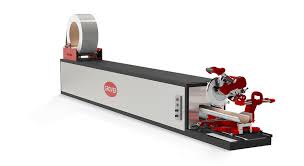
Gutters are an essential component of any building, protecting foundations, walls, and landscaping from water damage by directing rainwater safely away from the property. While gutters may seem simple, installing them efficiently and accurately requires skill, experience, and the right tools. Enter gutter machines, specialized equipment that has revolutionized the gutter industry by streamlining fabrication, improving precision, and significantly reducing labor time.
Whether for residential homes, commercial buildings, or industrial facilities, gutter machines have become indispensable tools for contractors and builders. They allow for custom, seamless gutters that fit perfectly, reduce leaks, and enhance the durability and aesthetics of the roofing system.
What Are Gutter Machines?
Gutter machines are mechanical devices designed to fabricate gutters and related components on-site. They are primarily used to form seamless gutters, which differ from pre-fabricated sectional gutters in that they are produced in continuous lengths to fit the exact dimensions of a building.
Using gutter machines, contractors can take coils of metal—typically aluminum, steel, or copper—and roll them into gutters, downspouts, and other accessories. These machines also allow for cutting, notching, and punching holes, which are essential for attaching brackets and spouts. The result is a custom gutter system that fits perfectly and provides long-lasting protection against water damage.
Types of Gutter Machines
There are several types of gutter machines, each designed for specific tasks:
1. Seamless Gutter Roll Forming Machines
The most common type of gutter machine is the roll-forming machine. This device takes a flat metal coil and feeds it through a series of rollers that shape the material into a continuous gutter of the desired profile. Roll forming machines allow contractors to produce K-style, half-round, or custom gutter profiles on-site, ensuring a perfect fit for each project.
2. Downspout Machines
Downspout machines are designed to create vertical channels that direct water from the gutters to the ground or drainage system. These machines cut and form metal into the exact dimensions required for seamless integration with the gutter system. Some advanced machines can fabricate both gutters and downspouts simultaneously, improving workflow efficiency.
3. Notching and Punching Machines
Notching and punching machines create holes, slots, or bends in gutters and downspouts for mounting brackets, hangers, and spouts. Precise notching and punching are critical for ensuring proper alignment and reducing installation errors. These machines make the process faster, safer, and more accurate than manual methods.
4. Multi-Functional Gutter Machines
Modern, multi-functional gutter machines combine roll forming, cutting, notching, and punching in one unit. These machines are ideal for contractors who work on multiple projects or need high-volume production. They save time, reduce labor, and allow for consistent, high-quality fabrication across all components of a gutter system.
Benefits of Using Gutter Machines
Gutter machines offer numerous advantages that make them an essential investment for roofing and gutter contractors:
1. Precision and Accuracy
Seamless gutters require exact measurements and cuts. Gutter machines provide precision, ensuring each gutter and downspout fits perfectly without gaps or leaks. Accurate fabrication reduces the risk of water damage and improves the long-term performance of the gutter system.
2. Time Efficiency
Traditional gutter fabrication is labor-intensive and slow. Gutter machines allow contractors to produce gutters and downspouts directly on-site, significantly reducing installation time. Large residential or commercial projects can be completed in a fraction of the time it would take using manual methods.
3. Durability
Seamless gutters produced by gutter machines are more durable than sectional systems. Since there are no joints between sections, there are fewer opportunities for leaks. Additionally, metal gutters fabricated on-site are often treated or coated to resist corrosion, rust, and weather damage, ensuring long-lasting performance.
4. Cost-Effectiveness
While gutter machines require an upfront investment, they save money over time by reducing labor costs, minimizing material waste, and improving installation efficiency. For contractors handling multiple projects, the return on investment is often realized within the first few projects.
5. Versatility
Modern gutter machines can handle a variety of materials and profiles, including aluminum, steel, and copper. This versatility allows contractors to adapt to different building designs and client preferences without needing multiple machines.
Applications of Gutter Machines
Gutter machines are widely used across residential, commercial, and industrial projects:
- Residential Homes: Gutter machines produce seamless gutters that fit perfectly, reducing leaks and maintenance issues while improving curb appeal.
- Commercial Buildings: Large office buildings, hotels, and retail stores benefit from the high-volume, precise fabrication that machines provide, allowing for timely project completion.
- Industrial Facilities: Factories and warehouses often require robust gutter systems to handle heavy rainfall and protect large roof areas. Gutter machines ensure accuracy and durability.
- Roof Renovations and Repairs: Gutter machines allow contractors to quickly replace damaged sections with seamless gutters that integrate seamlessly with existing systems.
Choosing the Right Gutter Machine
Selecting the right gutter machine depends on several factors:
- Material Compatibility: Ensure the machine can handle the types of metal you plan to use, such as aluminum, steel, or copper.
- Project Volume: Larger projects may require automated or multi-functional machines for efficiency.
- Durability and Build Quality: Invest in machines with high-quality components to ensure reliability and longevity.
- Portability: For contractors working on multiple sites, portable machines can save setup time and improve workflow.
- Technical Support and Training: Choose manufacturers that offer training, maintenance support, and troubleshooting assistance.
Conclusion
Gutter machines have transformed the gutter installation process by providing precision, efficiency, and durability. They allow contractors to fabricate seamless gutters and downspouts on-site, reducing labor time, minimizing errors, and delivering long-lasting results.