
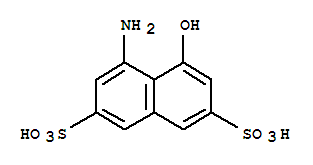
H Acid is one of the most important dye intermediates used in the chemical industry. It plays a key role in the production of reactive dyes, direct dyes, and acid dyes that are widely used in textile manufacturing, leather processing, paper production, and printing applications. As the global demand for colored fabrics and industrial dyes continues to grow, H Acid remains an essential raw material for dye manufacturers around the world.
Because H Acid is used in many industries, its market price does not remain constant throughout the year. Changes in raw material costs, production expenses, environmental regulations, and industrial demand all influence pricing. For this reason, manufacturers, suppliers, traders, and procurement professionals regularly monitor the H Acid Price Trend to understand market movements and make informed purchasing decisions.
👉 👉 👉 Please Submit Your Query For H Acid Price Trend, Forecast And Market Analysis: https://www.price-watch.ai/book-a-demo/
What is H Acid?
H Acid is an organic chemical intermediate mainly used in the manufacture of synthetic dyes. It serves as an important building block for producing high-performance dyes that provide bright colors, excellent color fastness, and long-lasting quality.
The textile industry is one of the largest users of H Acid because reactive dyes made from H Acid are commonly used to dye cotton, rayon, and other natural fibers. The leather industry also uses these dyes to achieve durable and attractive finishes. In addition, H Acid-based dyes are used in paper coloring, inks, and specialty chemical applications.
Since it supports the production of many different dye products, H Acid continues to be in steady demand across global manufacturing industries.
Why is the H Acid Price Trend Important?
The H Acid Price Trend provides valuable information about how prices change over time.
Instead of relying only on daily price updates, businesses study long-term trends to understand the direction of the market. Procurement teams use these trends to determine the right time to purchase raw materials, while manufacturers use them to estimate production costs and improve budgeting.
Suppliers and traders also follow H Acid price trends to understand changes in supply, demand, and market opportunities.
Regular monitoring helps businesses reduce uncertainty and improve long-term planning.
Factors That Influence H Acid Prices
Several important factors affect the market price of H Acid.
Understanding these factors helps explain why prices rise or fall under different market conditions.
Raw Material Costs
One of the biggest factors influencing H Acid prices is the cost of raw materials used during production.
The manufacturing process requires several chemical feedstocks, and changes in their prices directly affect production expenses.
When raw material costs increase, manufacturers often adjust selling prices to maintain profitability.
If raw material prices remain stable, H Acid prices may also become more stable.
Demand from the Textile Industry
The textile industry is the largest consumer of H Acid.
Reactive dyes made from H Acid are widely used to color fabrics used in clothing, home textiles, industrial fabrics, and fashion products.
When textile production increases, demand for dyes also rises, leading to greater demand for H Acid.
Growth in apparel manufacturing and exports often supports stronger market prices.
Demand from Leather and Paper Industries
Besides textiles, H Acid is also used in leather processing and paper manufacturing.
Leather producers use H Acid-based dyes to create attractive and durable finishes, while paper manufacturers use dyes for colored paper products.
Higher production in these industries contributes to increased demand for H Acid.
Manufacturing Costs
Producing H Acid requires specialized chemical processing, skilled labor, quality control, and energy.
Electricity prices, fuel costs, labor expenses, and plant operating costs all influence the total manufacturing cost.
Higher production expenses often result in increased market prices.
Environmental Regulations
Chemical manufacturing is subject to environmental standards in many countries.
Companies producing H Acid must follow regulations related to waste management, emissions, water treatment, and workplace safety.
Investments in environmental compliance can increase operating costs, which may affect product pricing.
Environmental regulations also influence production capacity in some regions.
Transportation and Logistics
Transportation costs are another important factor affecting H Acid prices.
Freight charges, fuel prices, warehouse expenses, packaging, and shipping availability all contribute to the delivered cost.
International trade and export logistics also influence market pricing, especially for global buyers.
Understanding the H Acid Price Trend
The H Acid Price Trend helps businesses understand overall market direction.
Rising Price Trend
A rising trend means prices are increasing over time.
This often happens when raw material costs rise, industrial demand becomes stronger, production costs increase, or product supply becomes limited.
Businesses often monitor rising trends carefully and may purchase inventory before prices increase further.
Falling Price Trend
A downward trend indicates declining prices.
This may occur when production increases, raw material costs decrease, or market demand slows.
Lower prices often create attractive purchasing opportunities for manufacturers and procurement teams.
Stable Market Conditions
Sometimes prices remain relatively stable over several months.
Stable pricing usually reflects balanced supply and demand.
These conditions help businesses prepare procurement budgets more accurately.
Market Volatility
Large price changes indicate market volatility.
Volatility may result from changing raw material prices, transportation disruptions, environmental regulations, supply chain challenges, or unexpected shifts in industrial demand.
Monitoring market trends helps companies respond quickly to these changing conditions.
Historical Price Trends
The H Acid market has experienced several pricing cycles over the years.
Historically, prices have been influenced by raw material costs, chemical production capacity, environmental regulations, industrial demand, and export activity.
Periods of strong demand from textile manufacturers and dye producers have often supported higher market prices.
During periods of slower industrial activity or improved manufacturing efficiency, H Acid prices have sometimes become more stable.
Global supply chain disruptions, rising energy prices, and transportation challenges have also affected historical price movements.
Studying historical price trends helps businesses understand how the market has reacted under different economic and industrial conditions.
Benefits of Monitoring the H Acid Price Trend
Following the H Acid Price Trend offers several important advantages.
Better Procurement Decisions
Purchasing teams can identify favorable buying opportunities by studying market trends.
This helps businesses improve procurement efficiency while controlling purchasing costs.
Improved Budget Planning
Manufacturers can estimate future production expenses more accurately by monitoring price movements.
Better forecasting supports stronger financial planning and pricing strategies.
Efficient Inventory Management
Price trends help businesses determine when to increase inventory and when to reduce purchases.
This improves inventory management while reducing supply chain risks.