
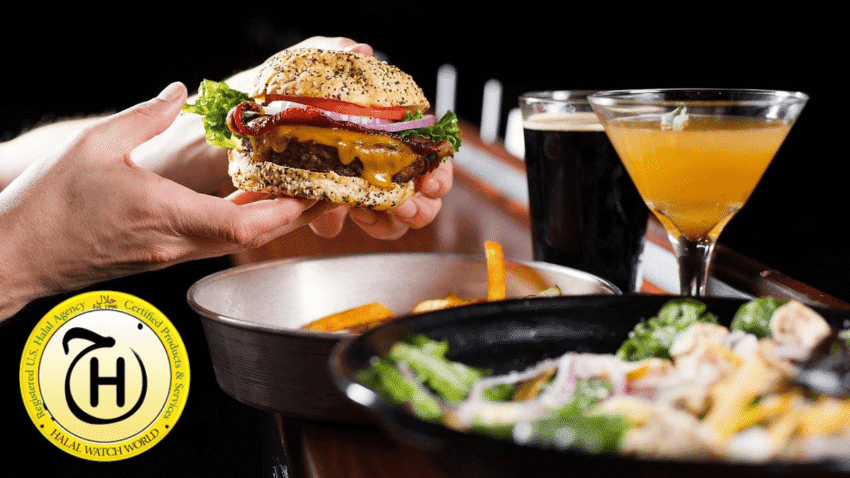
The U.S. halal food and beverage market is projected to reach $24 billion by 2027, driven by a growing Muslim population and increasing non-Muslim demand for ethically sourced, high-quality products. For businesses looking to capture this market share, formal certification is not just a choice—it’s a necessity. Certification verifies that products adhere to Islamic dietary laws, building trust with consumers and opening doors to new sales channels, from local halal grocers to national retail chains. Below, we break down the key steps, requirements, and industry-specific considerations for food and beverage businesses seeking halal certification in the country.
What Is halal food certification?
At its core, halal food certification is a third-party verification process that confirms every stage of a product’s lifecycle—from ingredient sourcing to packaging, storage, and transportation—complies with Shariah law. This means excluding pork or pork-derived ingredients, alcohol, and any substances deemed forbidden (or haram) under Islamic guidelines. It also requires strict measures to prevent cross-contamination: for example, a facility that processes both halal and non-halal products must have separate equipment or rigorous cleaning protocols between batches.
For consumers, the certification label is a non-negotiable guarantee that a product is safe to consume. For businesses, it’s a gateway to a demographic of over 3.5 million Muslim consumers in the U.S., plus millions more who associate halal standards with better food safety and ethical production. A 2023 industry report found that 68% of halal-certified food brands in the U.S. saw double-digit sales growth within a year of obtaining certification, as it expanded their reach beyond traditional niche markets.
How halal certification in usa Works
Unlike some countries where halal certification is overseen by a government agency, halal certification in usa is administered by independent, accredited organizations. These groups—such as the Islamic Food and Nutrition Council of America (IFANCA), Halal Certification Services (HCS), and the Islamic Services of America (ISA)—employ a combination of Islamic scholars and food safety auditors to evaluate businesses.
The process typically follows a clear structure: first, a business submits a detailed application, including ingredient lists for every product and supplier contact information. Auditors then review supplier documentation to confirm that all components (from flour to food additives) are halal-compliant. Next, an on-site inspection is conducted to assess cross-contamination risks, verify cleaning protocols, and ensure staff are trained in halal handling. If all requirements are met, the business receives a certification that is valid for 1 to 2 years; re-audits are required to maintain compliance, as ingredient sources or facility processes may change over time.
What You Need to Secure a halal food certificate
Obtaining a halal food certificate requires careful preparation, as incomplete or inaccurate documentation is the most common reason for delayed approvals. Businesses should gather the following materials before submitting an application:
- Detailed ingredient statements for every product, including minor additives like colorings or preservatives.
- Halal certification documents from suppliers for high-risk ingredients, such as gelatin, flavorings, or emulsifiers.
- Facility layout plans that show separate storage, processing, and packaging areas for halal products (or protocols for deep cleaning shared equipment).
- Written cleaning and sanitation procedures, including schedules for sanitizing tools and surfaces.
- Records of employee training on halal guidelines, such as avoiding cross-contamination or properly labeling halal products.
For example, a small cookie bakery applying for certification would need to prove that their vanilla extract is derived from non-alcoholic sources and that their ovens are cleaned thoroughly between batches of halal and non-halal cookies. Many certifiers offer free initial consultations to help small businesses navigate these requirements and avoid common pitfalls.
Halal Certification for Beverages: Unique Challenges
Beverage manufacturers face distinct hurdles when seeking halal compliance, which is why Halal Certification for Beverages often involves more rigorous testing than food certification. Many drinks rely on hidden ingredients that can violate halal guidelines: natural flavorings, for instance, are often extracted using alcohol, which is prohibited in Islamic law. Even non-alcoholic beverages may contain trace amounts of alcohol from fermentation processes—something certifiers test for using sensitive lab equipment.
Stabilizers and thickeners are another common issue. Gelatin, a popular stabilizer in smoothies and sports drinks, is often derived from non-halal animal sources, so businesses must source halal-certified gelatin or alternative ingredients like pectin. Certifiers will also review processing methods: for example, a juice brand that uses shared equipment with alcoholic beverages must prove that the equipment is sanitized to remove all traces of alcohol before processing halal products.
One of the most frequently asked questions about beverage certification involves popular commercial drinks. For example, dr pepper halal certification has been a topic of discussion among consumers and retailers alike. While Dr Pepper does not contain alcohol, its proprietary blend of 23 flavors requires thorough verification to rule out any non-halal ingredients or processing aids. In the U.S., the brand has worked with third-party certifiers to confirm compliance for specific markets, but businesses should always check the latest certification status directly from the brand or certifier before stocking products for halal audiences.
The Benefits of halal beverages certification for Brands
For beverage businesses, halal beverages certification is more than a compliance step—it’s a strategic growth tool. The U.S. halal beverage market is growing at 6% annually, with demand spanning soft drinks, cold-pressed juices, herbal teas, and functional beverages like protein shakes. Certification allows brands to market to Muslim consumers who might otherwise avoid uncertified products, and it also appeals to non-Muslim consumers who prioritize ethical sourcing and food safety.
Beyond domestic sales, halal certification can open up export opportunities to Muslim-majority countries, where halal compliance is a legal requirement for imported food and beverages. For example, a U.S.-based iced tea brand with halal certification can easily export to countries like Indonesia or Saudi Arabia, where the halal beverage market is worth billions. Many brands also report that certification improves their overall supply chain transparency, as they are required to vet every supplier for halal compliance—something that resonates with modern consumers who want to know where their food comes from.
For businesses seeking reliable guidance on these processes, Halal Watch World offers curated resources on topics like halal food certification usa—including directories of accredited certifiers, tips for passing on-site audits, and updates on evolving halal standards. Their platform serves as a trusted bridge between businesses and consumers, ensuring that certification processes are transparent and that products meet the highest halal compliance standards.
For U.S. food and beverage businesses, halal certification is an investment in long-term growth. Whether you’re a small family bakery or a large beverage manufacturer, taking the time to obtain certification can unlock new markets, build lasting consumer trust, and set your brand apart from competitors. By understanding the specific requirements for your industry, gathering the right documentation, and working with reputable certifiers, you can navigate the process smoothly and position your business for success in the fast-growing halal market.
Read more exciting blogs on myseodirectory.com