
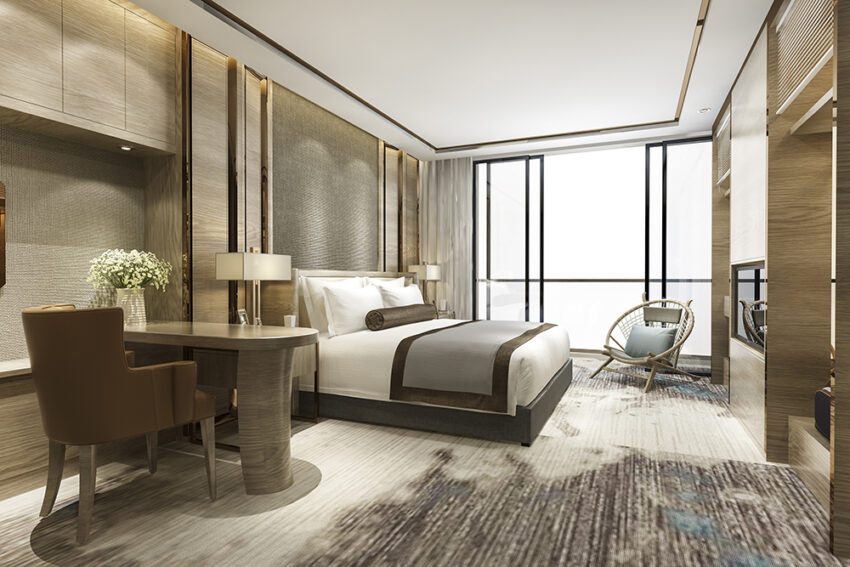
A hotel’s interior strongly influences how guests perceive their stay. From the entrance and reception to guest rooms, restaurants, lounges, corridors, and recreational areas, every space contributes to comfort and overall experience. Professional Hotel Interior Designing creates hospitality environments that combine aesthetics, functionality, comfort, durability, and brand identity while meeting the practical needs of guests and hotel staff.
Successful hotel planning requires careful attention to movement, service areas, guest comfort, and efficient use of available space. The principles discussed in 10 Must-Have Features in a Well-Designed Corporate Office can also provide useful inspiration for hotel interiors, particularly when considering functionality, organized layouts, comfortable furniture, lighting, technology, and well-defined zones. These principles can be adapted to create hospitality spaces that feel welcoming while remaining operationally efficient.
Understanding the Hotel Concept
Every hotel has its own character based on its location, target guests, service level, and brand positioning. A luxury property may require sophisticated materials and customized furniture, while a boutique hotel may focus on unique décor and personalized spaces.
Designers begin by understanding the hotel’s concept, guest profile, room categories, amenities, operational requirements, and brand identity. This helps create a cohesive design throughout the property.
Welcoming Lobby and Reception
The lobby creates the first impression of a hotel. A well-designed reception area should combine visual impact with practical functionality.
Comfortable seating, an attractive reception desk, appropriate lighting, signage, artwork, and decorative elements can establish the hotel’s identity. The layout should also provide clear circulation for guests arriving with luggage and allow staff to manage check-in efficiently.
Comfortable Guest Rooms
Guest rooms should provide a balance between comfort, functionality, and visual appeal. Beds, bedside tables, wardrobes, desks, luggage storage, seating, lighting, and entertainment systems should be arranged carefully.
Adequate storage helps guests organize their belongings, while convenient electrical outlets and charging points support modern travel requirements. Materials and furniture should also be selected for durability and easy maintenance.
Thoughtful Lighting Design
Lighting can significantly influence the atmosphere of a hotel. Guest rooms may benefit from layered lighting that includes ambient, task, bedside, and accent illumination.
Lobby and restaurant areas can use decorative fixtures to create visual impact, while corridors require consistent and comfortable illumination. Lighting should support both the functional requirements and the desired mood of each space.
Restaurants and Dining Areas
Hotel restaurants, cafés, lounges, and bars should have interiors that complement their menus and service concepts. Seating arrangements need to accommodate different group sizes while maintaining comfortable movement for guests and staff.
Furniture, lighting, colours, wall treatments, and decorative features can create distinctive dining environments. Materials should be durable and suitable for frequent cleaning and heavy use.
Efficient Space Planning
Hotels contain numerous functional areas, including guest rooms, reception, restaurants, kitchens, service corridors, housekeeping areas, conference rooms, storage spaces, and staff facilities.
Professional designers can organize these zones to support smooth guest and staff movement. Separating guest-facing and service-oriented circulation where appropriate can improve efficiency and minimize disruptions.
Materials and Furniture Selection
Hotel interiors experience continuous use, making material durability particularly important. Flooring, upholstery, wall finishes, countertops, doors, furniture, and decorative surfaces should be selected according to expected traffic and maintenance requirements.
Customized furniture can help achieve a consistent design throughout the property. Beds, wardrobes, desks, reception counters, lounge furniture, restaurant seating, and other elements can be designed according to the hotel’s aesthetic and functional requirements.
Technology Integration
Modern hotel guests expect convenient access to technology. Guest rooms may require smart controls, charging points, entertainment systems, internet connectivity, and digital interfaces.
Technology requirements should be considered during the design stage so that electrical and data infrastructure can be integrated neatly into walls, furniture, ceilings, and other elements.
Creating a Distinctive Hotel Identity
Interior design provides an opportunity to communicate the hotel’s brand and personality. Colour palettes, artwork, materials, lighting, furniture, graphics, and architectural details can be coordinated throughout the property.
Feature walls, local artwork, customized furniture, and carefully selected décor can help create a memorable atmosphere. A consistent design language across different areas can strengthen brand recognition.
Sustainability and Maintenance
Modern hospitality interiors increasingly consider sustainable materials, energy-efficient lighting, responsible sourcing, and long-lasting furniture. Choosing durable solutions can also reduce frequent replacement and maintenance requirements.
Easy-to-clean surfaces and practical material selections are particularly important in high-traffic areas such as lobbies, restaurants, corridors, and public washrooms.
Conclusion
Professional Hotel Interior Designing can transform a hospitality property into an elegant, comfortable, functional, and memorable destination. From guest rooms and reception areas to restaurants, lounges, corridors, and service spaces, each element can be carefully planned according to guest expectations and operational requirements.
By applying practical principles from well-designed corporate office spaces, such as functional zoning, ergonomic planning, efficient circulation, appropriate lighting, and technology integration, while adapting them to hospitality needs, hotels can create interiors that deliver both operational efficiency and an exceptional guest experience.