
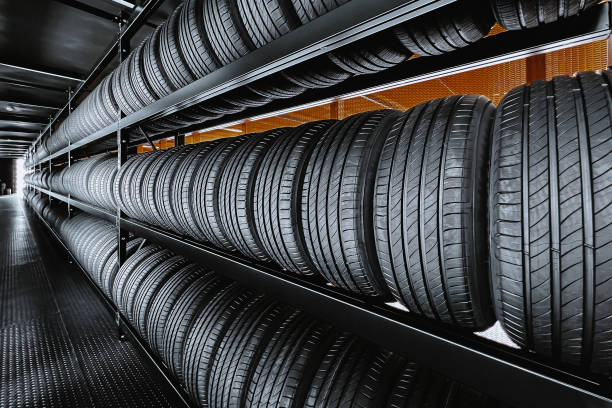
The automotive landscape in Latin America is experiencing gradual transformation due to changing mobility needs, expanding transportation networks, and increasing attention toward vehicle safety and efficiency. Tires remain an essential part of this ecosystem because they directly influence vehicle performance, road safety, fuel efficiency, and operational reliability. The region’s diverse vehicle population, ranging from passenger cars and commercial fleets to two-wheelers and off-road vehicles, continues to create varied requirements for tire manufacturers and suppliers.
According to the analysis published by MarkNtel Advisors, the Latin America tire sector is influenced by factors such as vehicle ownership patterns, replacement demand, infrastructure activities, and evolving consumer preferences. The study examines regional dynamics across different vehicle categories and countries, highlighting the factors affecting tire adoption and distribution across Latin American economies. More insights are available in the Latin America tire report.
Automotive Expansion Supporting Tire Demand
Latin America has developed into an important automotive production and transportation region, with countries such as Mexico and Brazil contributing significantly to vehicle manufacturing and mobility activities. The expansion of automotive supply chains has increased the requirement for reliable tire solutions for both newly manufactured vehicles and replacement applications.
Vehicle production activities are closely connected with tire demand because original equipment manufacturers require products that meet performance, safety, and durability standards. The International Organization of Motor Vehicle Manufacturers provides global automotive production information that reflects the importance of vehicle manufacturing activities in shaping transportation ecosystems worldwide.
The commercial transportation sector also plays an important role in regional tire consumption. Trucks, buses, and other heavy vehicles support logistics, construction, agriculture, and industrial operations, requiring tires designed for higher loads and extended usage conditions. As freight movement increases, fleet operators continue to focus on durability, reliability, and maintenance efficiency.
Increasing Focus on Road Safety and Tire Maintenance
Road safety awareness is becoming an important factor influencing tire purchasing decisions across Latin America. Proper tire maintenance, including regular inspections, correct inflation, and timely replacement, helps improve vehicle control and reduce safety risks. The National Highway Traffic Safety Administration highlights the importance of tire maintenance practices, including checking tire pressure and monitoring tire conditions to improve road safety.
Consumer awareness regarding tire quality is also increasing as vehicle owners recognize the relationship between tire condition and driving performance. Replacement decisions are influenced by factors such as road conditions, driving frequency, vehicle type, and operating environment. This has encouraged manufacturers to provide products with improved durability, traction, and performance characteristics.
Technological Improvements in Tire Manufacturing
Technological advancements are influencing the development of modern tire solutions across the region. Manufacturers are focusing on improving fuel efficiency, handling performance, durability, and environmental sustainability through advanced designs and materials.
Radial tire technology has gained importance due to advantages such as better road contact, improved stability, and longer service life compared with traditional tire structures. These developments support the changing requirements of passenger vehicles, commercial fleets, and specialized applications.
Sustainability is another factor shaping tire innovation. Manufacturers are exploring methods to reduce environmental impact through improved production processes, material efficiency, and recycling initiatives. The United Nations Environment Programme emphasizes the importance of sustainable resource management and responsible waste practices, which are relevant to industries managing products with environmental impacts.
Role of Infrastructure and Commercial Transportation
Infrastructure development across Latin America continues to influence transportation patterns and tire requirements. Road construction, industrial projects, agricultural activities, and logistics expansion require vehicles capable of operating under different road and environmental conditions.
Commercial vehicles experience intensive usage, making tire durability and reliability essential considerations for fleet operators. Heavy-duty tires used in transportation and industrial applications must withstand higher loads, longer operating hours, and varying road conditions.
The International Transport Forum highlights the importance of efficient transport infrastructure and sustainable mobility systems in supporting economic activities and improving connectivity.
Growth of Replacement and Distribution Channels
The replacement tire segment remains an important part of Latin America’s tire ecosystem due to regular vehicle usage and maintenance requirements. As vehicles remain operational for longer periods, demand for replacement products continues through multiple distribution channels, including tire retailers, service centers, dealerships, and digital platforms.
Online purchasing channels are gradually influencing consumer behavior by allowing buyers to compare tire specifications, pricing, and product availability. However, physical service networks continue to play a significant role because tire installation, balancing, alignment, and maintenance require professional support.
Manufacturers and distributors are increasingly focusing on improving supply chain efficiency to ensure product availability across urban and regional areas. This is particularly important in countries with large geographic areas where transportation infrastructure varies significantly.
Challenges Affecting Tire Adoption
Despite ongoing developments, the tire sector in Latin America faces challenges related to economic conditions, import dependencies, infrastructure differences, and varying consumer purchasing power. Price sensitivity remains an important factor, particularly among individual vehicle owners and small fleet operators.
Environmental management is another consideration. End-of-life tire disposal requires effective recycling and waste management systems to reduce environmental impact. Organizations such as the Basel Convention address the management of hazardous and other waste streams, providing international guidance on environmentally responsible waste handling.
Future Direction of Tire Development
The future direction of tire requirements in Latin America will continue to be influenced by automotive modernization, transportation expansion, safety awareness, and sustainability initiatives. As vehicle technologies evolve, tire manufacturers are expected to focus on solutions that support efficiency, durability, and changing mobility needs.
The Latin America Tire Analysis by MarkNtel Advisors evaluates regional factors affecting tire demand, including vehicle segments, applications, distribution channels, and country-level developments. The changing automotive environment indicates that tire solutions will remain closely connected with transportation growth, infrastructure development, and technological innovation across the region.
Conclusion
Latin America’s tire ecosystem is shaped by a combination of automotive activities, commercial transportation requirements, safety awareness, and technological advancements. While challenges related to affordability, infrastructure, and sustainability remain, ongoing changes in mobility patterns continue to influence tire development and adoption.
Understanding these regional dynamics provides valuable insight into how manufacturers, suppliers, and consumers are adapting to evolving transportation requirements. As vehicle technologies and mobility preferences continue changing, tire innovation will remain a critical factor supporting safer, more efficient, and sustainable transportation across Latin America.