

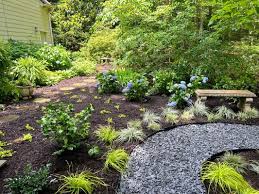
A healthy landscape depends on more than attractive plants, trees, and flowers because soil protection and moisture management also play important roles. Mulch can provide a practical layer around landscape plants while improving the appearance of planting beds and helping create a more organized outdoor environment. For homeowners in Buford, Georgia, properly installed mulch can support landscape health while giving gardens, trees, shrubs, and other planted areas a cleaner finished appearance.
When property owners want to improve their landscape beds, Top-Rated Mulch Installation Services in Buford, GA can provide a structured approach to selecting, preparing, and installing mulch. Professional installation involves more than spreading material across the ground. The right mulch type, depth, placement, and preparation can influence moisture retention, weed management, soil conditions, and overall landscape appearance. A carefully installed mulch layer can complement existing plants while helping protect the soil around their root zones.
Why Is Mulch Important for Buford Landscapes?
Mulch serves several purposes in a residential or commercial landscape. One of its primary functions is creating a protective layer between the soil surface and the surrounding environment. This layer can help reduce moisture loss from the soil, moderate soil temperatures, and limit the amount of sunlight reaching weed seeds. These benefits can be particularly useful in planting beds where maintaining consistent soil conditions is important.
Mulch also gives landscape beds a finished appearance. Bare soil between plants can make a yard look unfinished, while a consistent mulch layer can visually connect trees, shrubs, flowers, and other landscape features. The result can be a more organized outdoor space that complements the property’s existing design.
How Does Mulch Help Retain Soil Moisture?
Water management is an important part of landscape maintenance. Exposed soil can lose moisture more quickly because sunlight and wind contribute to evaporation. A properly installed layer of mulch can reduce direct exposure and help slow moisture loss from the soil surface.
Maintaining moisture around plants can be particularly useful during periods when rainfall is limited. However, mulch does not eliminate the need for appropriate irrigation. Plants still require water according to their species, age, location, soil conditions, and weather. Mulch works as one part of a broader landscape care strategy rather than a replacement for watering.
Can Mulch Help Control Weeds?
Weed growth can compete with landscape plants for water, nutrients, and available space. Mulch can help reduce weed emergence by blocking some sunlight from reaching weed seeds near the soil surface. While mulch cannot prevent every weed from appearing, proper installation and ongoing maintenance can make weed management easier.
Before mulch is installed, the planting area should be prepared appropriately. Existing weeds and unwanted vegetation may need to be removed so that the new mulch layer starts on a clean surface. Maintaining the recommended mulch depth can then help provide more consistent coverage throughout the planting bed.
What Types of Mulch Can Property Owners Choose?
Different mulch materials offer different appearances and characteristics. Organic options can include shredded wood, wood chips, bark, and other plant-based materials. These materials can provide a natural appearance and gradually break down over time. As organic mulch decomposes, it can contribute organic matter to the soil.
Some landscapes may also use decorative or inorganic materials depending on the design. The best choice depends on the property’s goals, existing plants, desired appearance, maintenance preferences, and budget. A professional landscape provider can help property owners consider these factors before selecting a material.
How Does Mulch Improve Landscape Appearance?
Landscape design is not only about plant selection. The spaces between plants also influence how the entire property looks. Mulch can create visual consistency across planting beds and provide contrast against green foliage, flowers, tree trunks, and other landscape elements.
A uniform mulch layer can make garden beds look more intentional and maintained. It can also help define areas around trees, shrubs, pathways, and foundation plantings. When the mulch color and texture complement the surrounding landscape, it becomes an important design element rather than simply a functional ground covering.
Why Is Proper Mulch Depth Important?
The amount of mulch installed matters. Too little mulch may not provide sufficient coverage, while excessive mulch can create unnecessary problems. Proper depth should be based on the mulch material and the specific planting area.
Mulch should also be distributed evenly. Uneven application can leave exposed soil in some areas while creating overly thick sections in others. Consistent coverage helps create a more attractive appearance and allows the material to perform its intended function across the entire planting bed.
Why Should Mulch Stay Away From Tree Trunks?
One common installation mistake is placing mulch directly against tree trunks or plant stems. Mulch should generally be arranged around the root zone without creating a thick mound against the trunk. Keeping the trunk area clear helps avoid excessive moisture and other conditions that can negatively affect the plant.
Professional installation pays attention to these details. Instead of simply spreading mulch everywhere, installers can create appropriate boundaries around trees, shrubs, edging, and other landscape features. This produces a cleaner appearance while supporting better landscape management.
How Can Mulch Protect Soil From Weather?
Soil can be affected by rainfall, wind, temperature changes, and other environmental conditions. Heavy rainfall can contribute to surface erosion, while exposed soil can become dry and compacted. Mulch provides a protective surface layer that can reduce direct exposure.
By covering exposed soil, mulch can help create a more stable planting environment. It can also reduce the visual impact of bare or uneven soil in landscape beds. When combined with healthy plants and appropriate drainage, mulch can contribute to a more resilient landscape.
Can Mulch Support Newly Planted Areas?
Newly planted trees, shrubs, flowers, and other vegetation can benefit from a properly maintained root-zone environment. Mulch can help moderate soil temperature and conserve moisture while the plants establish themselves. This can be particularly helpful when new landscape installations require consistent care during their establishment period.
However, mulch should not replace proper planting techniques or maintenance. Newly installed plants still need appropriate watering, suitable soil, correct planting depth, and adequate growing space. Mulch is most effective when it is incorporated into a complete landscape care plan.
How Often Should Mulch Be Replenished?
Organic mulch naturally breaks down over time. Weather, decomposition, foot traffic, gardening activities, and seasonal conditions can gradually reduce the thickness of the mulch layer. Periodic inspection can help property owners determine when additional material may be needed.
Rather than automatically adding a new thick layer, existing mulch should be evaluated first. If the material is still providing adequate coverage, only limited replenishment may be necessary. Professional maintenance can help maintain an attractive and functional mulch layer without unnecessary application.
How Does Mulch Work With Other Landscaping Services?
Mulch can complement many other landscape improvements. Planting projects can benefit from mulch around newly established trees, shrubs, and flowers. Drainage improvements can help manage excess water, while mulch can help protect exposed soil around planting areas. Sod, walkways, privacy plants, and garden beds can also be visually connected through consistent mulch installation.
Combining these services can create a more cohesive landscape. Instead of treating each section of the yard separately, homeowners can develop a coordinated design where planting, soil protection, pathways, and other features work together.
Why Choose Professional Mulch Installation in Buford?
DIY mulch installation may appear straightforward, but achieving a consistent and professional result requires preparation and attention to detail. Property owners need to select the appropriate material, estimate the required quantity, prepare the planting beds, distribute the mulch evenly, and maintain proper clearances around plants and structures.
Professional installation can simplify this process. Experienced landscape professionals understand how to prepare planting areas, calculate material needs, create clean edges, and distribute mulch consistently. This can save property owners time while producing a more polished appearance.
How Can LAWNWORX Help With Mulch Installation?
For Buford property owners planning to improve their outdoor spaces, LAWNWORX can help incorporate mulch into a broader landscaping strategy. Proper mulch installation can be used to refresh existing garden beds, support newly planted areas, improve visual consistency, and create a cleaner appearance throughout the property.
A professional approach can also consider how mulch fits with the rest of the landscape. Plant selection, bed design, drainage, walkways, privacy landscaping, and other outdoor improvements can be coordinated to create a more unified result. This allows mulch to serve both practical and aesthetic purposes within the overall landscape.
What Should Homeowners Consider Before Installing Mulch?
Before beginning a mulch project, homeowners should consider the condition of their existing planting beds, the types of plants growing there, the desired appearance, and the amount of maintenance they are willing to perform. The choice of mulch material should also complement the property’s existing landscape design.
It is equally important to identify areas where mulch is appropriate and areas where other ground coverings may be more suitable. Trees, flower beds, shrubs, slopes, pathways, and drainage areas may each require different considerations. A thoughtful plan can help prevent unnecessary material use and create a more consistent landscape.
Final Thoughts on Mulch Installation in Buford, GA
Mulch can be a valuable part of a healthy and attractive landscape. When properly selected and installed, it can help conserve soil moisture, reduce weed growth, protect exposed soil, moderate soil conditions, and improve the visual appearance of planting beds. These benefits make mulch a practical addition to many residential and commercial landscapes in Buford, GA.
Professional installation can take the process further by ensuring that planting areas are properly prepared, mulch is distributed consistently, and trees and plants receive appropriate space around their root zones. With thoughtful planning and ongoing maintenance, mulch can complement landscaping investments and help create outdoor spaces that remain attractive and functional throughout the seasons.