
Logistics operations are under constant pressure to do more with less. Rising fuel prices, labor shortages, customer expectations for faster deliveries, and increasingly complex delivery networks have made traditional, intuition-based decision-making insufficient. Companies that rely on guesswork or outdated reports often struggle with inefficiencies, delays, and shrinking margins.
Data-driven logistics decisions offer a powerful alternative. By leveraging accurate, real-time, and historical data, businesses can make smarter choices that directly impact costs, efficiency, and customer satisfaction. From optimizing delivery routes to improving fleet utilization and forecasting demand, data transforms logistics from a cost center into a competitive advantage.
In this article, we’ll explore how data-driven logistics decisions work, where they deliver the most value, and how they ultimately increase profitability.
What Are Data-Driven Logistics Decisions?
Data-driven logistics decisions are choices based on measurable insights rather than assumptions or manual judgment. These decisions rely on collecting, analyzing, and acting on data generated across logistics operations.
Common types of logistics data include route performance, delivery times, fuel consumption, driver behavior, vehicle maintenance, order volumes, and customer demand patterns. Instead of reacting to problems after they occur, organizations use this data to anticipate issues and optimize operations proactively.
Modern tools, including analytics platforms and route management software, make it possible to process large volumes of logistics data quickly and turn it into actionable insights. This represents a major shift from traditional approaches, where decisions were often made using spreadsheets, static reports, or past experience alone.
Key Challenges in Logistics Without Data
Organizations that lack a data-driven approach often face recurring challenges that hurt profitability.
One of the biggest issues is inefficient routing. Without accurate route data, drivers may take longer paths, encounter avoidable congestion, or make unnecessary stops. This leads to higher fuel costs and wasted time.
Limited visibility into fleet performance is another challenge. When managers can’t track vehicle usage, idle time, or maintenance needs accurately, assets are underutilized and repair costs increase.
Inaccurate demand forecasting also causes problems. Overestimating demand leads to excess capacity and wasted resources, while underestimating demand results in missed deliveries and unhappy customers.
All of these issues contribute to higher operational costs, delivery delays, and reduced customer satisfaction directly impacting profitability.
How Data Improves Core Logistics Operations
Route Optimization
One of the most impactful uses of logistics data is route optimization. By analyzing historical delivery data and real-time conditions such as traffic, weather, and road restrictions, businesses can identify the most efficient routes for each delivery.
Optimized routing reduces fuel consumption, shortens travel times, and minimizes vehicle wear and tear. Over time, these improvements translate into significant cost savings and more predictable delivery schedules.
Fleet Utilization
Data-driven insights allow companies to understand how their fleet is being used. Metrics such as vehicle availability, idle time, mileage, and maintenance frequency reveal inefficiencies that are often invisible without data.
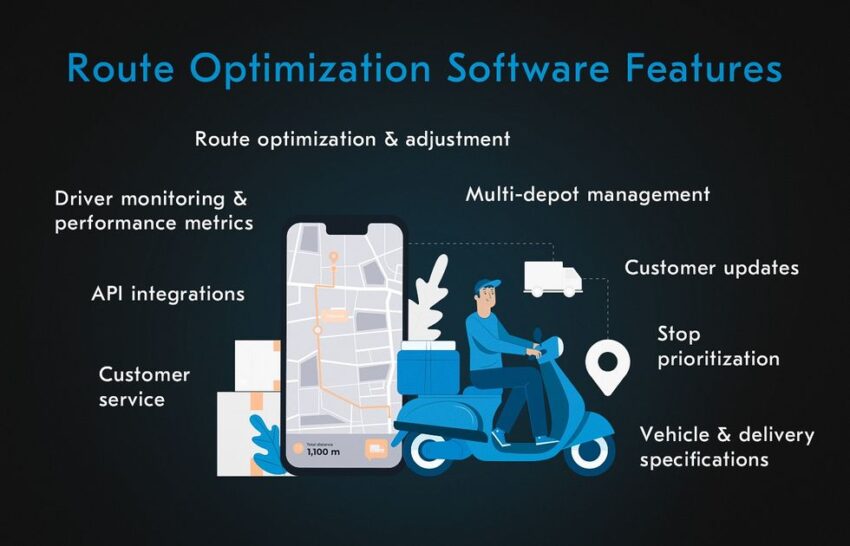
With better visibility, businesses can reduce unnecessary downtime, balance workloads across vehicles, and schedule maintenance proactively. Many organizations rely on route management software to centralize this information and make fleet optimization easier and more effective.
Demand Forecasting
Accurate demand forecasting is critical for aligning resources with actual needs. By analyzing historical order volumes, seasonal trends, and customer behavior, businesses can predict future demand more accurately.
This ensures that the right number of vehicles, drivers, and delivery slots are available at the right time reducing overtime costs and preventing missed or delayed deliveries.
Inventory and Load Planning
Data also plays a key role in optimizing vehicle loads. By understanding order sizes, delivery locations, and vehicle capacity, companies can minimize partial loads and avoid unnecessary trips.
Better load planning increases delivery density per route, reduces fuel usage, and improves overall operational efficiency.
Financial Impact of Data-Driven Decisions
Cost Reduction
Data-driven logistics decisions have a direct impact on cost control. Optimized routes lower fuel expenses, while improved fleet utilization reduces maintenance and asset costs. Accurate planning also cuts down on overtime, penalties, and re-delivery expenses.
These savings accumulate quickly, especially for businesses with high delivery volumes.
Increased Productivity
When routes are optimized and resources are allocated effectively, drivers can complete more deliveries in less time. Faster turnaround times mean higher output without increasing headcount or fleet size.
Increased productivity improves margins and allows businesses to handle growth without proportional increases in cost.
Revenue Growth
Efficient logistics operations lead to better customer experiences. On-time deliveries, accurate scheduling, and reliable service increase customer satisfaction and retention.
Satisfied customers are more likely to place repeat orders and recommend your services, driving long-term revenue growth. Data-driven logistics also make it easier to scale operations into new regions or markets with confidence.
Role of Technology in Data-Driven Logistics
Technology is the backbone of data-driven logistics. Advanced digital tools collect, analyze, and present logistics data in ways that support fast, informed decision-making.
Key technologies include:
-
Analytics dashboards that visualize performance metrics and trends
-
Real-time tracking systems for vehicles and deliveries
-
System integrations connecting orders, fleet data, and delivery execution
-
Automation and AI that generate recommendations and alerts
Solutions such as route management software bring these capabilities together, providing a centralized platform for planning, monitoring, and optimizing logistics operations. This integration eliminates data silos and ensures everyone works from the same source of truth.
Best Practices for Implementing Data-Driven Logistics
To successfully adopt a data-driven logistics strategy, organizations should follow several best practices:
-
Identify the key performance indicators (KPIs) that matter most to profitability
-
Ensure data accuracy and consistency across systems
-
Integrate logistics tools with existing business systems
-
Train teams to interpret data and act on insights
-
Start with targeted optimizations and expand gradually
-
Continuously measure results and refine strategies
The goal is not to collect data for its own sake, but to use it to drive meaningful operational improvements.
Common Mistakes to Avoid
While data-driven logistics offers clear benefits, common mistakes can limit its impact.
One mistake is collecting too much data without clear objectives. This leads to information overload and confusion rather than better decisions.
Another issue is ignoring data insights. If teams continue to rely on intuition despite having access to analytics, the value of data-driven systems is lost.
Failing to integrate systems is also a major challenge. Disconnected tools create fragmented views of operations, making it difficult to act effectively on insights.
Avoiding these pitfalls ensures that data truly supports smarter logistics decisions.
Future of Data-Driven Logistics
The future of logistics will be increasingly data-centric. Predictive analytics and artificial intelligence will enable businesses to anticipate disruptions before they occur and automatically adjust plans in real time.
Automation will reduce manual decision-making, while deeper integration across supply chain partners will create end-to-end visibility. As logistics operations become more complex, proactive and autonomous decision-making will become essential.
Organizations that invest in data-driven logistics today will be better positioned to adapt, compete, and grow in the future.
Conclusion
Data-driven logistics decisions are no longer optional—they are essential for profitability in a competitive environment. By using data to optimize routes, improve fleet utilization, forecast demand, and plan loads effectively, businesses can significantly reduce costs and increase efficiency.
The financial impact is clear: lower expenses, higher productivity, improved customer satisfaction, and scalable growth. With the right technology, processes, and mindset, logistics data becomes a powerful driver of competitive advantage.
Companies that embrace data-driven logistics today will lead tomorrow’s delivery networks more efficient, more resilient, and more profitable.