

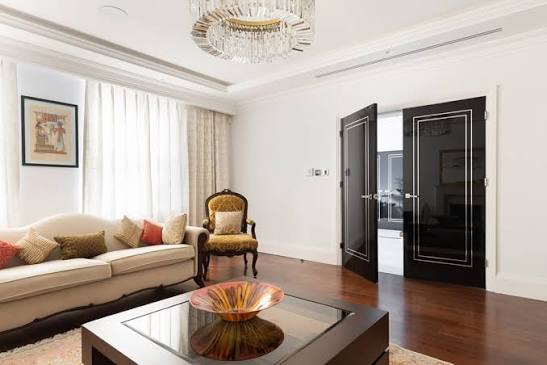
Off the shelf doors fit a house the way a rented suit fits a body. Close enough works fine until someone notices the sleeves hang wrong or the shoulders pinch. Homes carry the same mismatch when a door gets forced into a space it was never measured for. That gap between generic and tailored explains why more homeowners now turn toward doors built specifically for their rooms rather than pulled from a warehouse shelf.
What Sets A Custom Door Apart From A Standard One
A factory door assumes every doorway shares the same height width and shape. Real houses rarely cooperate with that assumption. Older homes settle over decades. Frames warp a fraction here and there. A door built to match those exact dimensions closes flush without gaps or awkward trimming. Material choice also opens up. Oak walnut or reclaimed timber all become fair game once a door gets built to order instead of grabbed off a rack. Panel design hardware placement and even the direction a door swings can bend to fit a specific room rather than forcing the room to bend around the door.
Do Tailored Doors Actually Change How A Room Feels
Step into a room where the door fits like it grew there and something shifts. Nothing rattles. Nothing sticks. The whole space reads as considered rather than assembled from a catalog. Compare that to a hallway lined with mismatched trim and doors that clearly came from a big box store. One space feels curated. The other feels like a checklist got completed in a hurry. Rooms built around thoughtful details tend to photograph better sell faster and simply feel calmer to live inside day after day.
Why Might Someone Choose Bespoke Internal Doors For A Renovation
Renovation plans often chase big ticket items first. Kitchens get gutted. Bathrooms get retiled. Doors slip through the cracks despite getting touched more than nearly anything else inside a home. Bespoke internal doors solve a problem generic doors can’t touch. They match a home’s exact proportions instead of forcing a homeowner to accept whatever standard size happens to be in stock. Odd shaped doorways historic frames or unusual ceiling heights stop being obstacles and start becoming design opportunities. A door built around a space rather than jammed into it tends to hold up better and look sharper for years past installation.
Are Custom Doors Worth Paying More For
This question comes up in nearly every renovation conversation. Cost sits higher than a mass produced alternative and nobody disputes that. What changes the math is longevity. A door measured and built for one specific frame avoids the shrinkage gaps and warping that plague ill fitting standard doors. Fewer repairs. Fewer replacements. Less frustration fighting a door that sticks every summer. Add in the freedom to choose wood grain finish and hardware and the value stretches well past the initial invoice. Homeowners planning to stay put for years tend to see the strongest return on that early investment.
How Do These Doors Affect A Home’s Overall Value
Buyers touring a property notice fit and finish even without articulating why. A door that closes with a soft click and sits flush against its frame signals craftsmanship throughout the house. Agents often point out that small details like custom millwork shift buyer perception more than people expect. Bespoke internal doors carry that same quiet weight during a showing. They suggest a homeowner cared about precision not just paint color. That impression can nudge a buyer toward a stronger offer without a single word being spoken about the doors themselves.
Can Custom Doors Improve Daily Function Around The House
Function matters just as much as looks here. A door built for its exact opening seals tighter which helps block drafts and dampen sound between rooms. Anyone sharing a house with a light sleeper or a work from home routine understands how much that sound barrier matters. Hinges calibrated for a specific weight and size swing smoother too. Doors stop scraping against carpet or catching on uneven flooring. These small mechanical improvements rarely get mentioned in design magazines yet they shape how pleasant a house feels to move through every single day.
Which Rooms Benefit Most From Custom Door Work
Certain spaces reward this investment more than others. Entryways set first impressions so a well fitted door pulls serious weight there. Primary bedrooms and studies benefit from tighter seals that cut down on noise. Awkward spaces like attic conversions or narrow hallway closets often need a bespoke solution simply because standard sizing won’t physically fit. Some homeowners commit to custom doors throughout an entire house. Others target just the rooms where fit and finish matter most. Both approaches deliver strong results depending on budget and priorities.
Does A Modest Sized Home Still Gain From Custom Doors
Plenty assume tailored doors belong only in sprawling estates with unlimited budgets. Smaller homes actually stand to gain just as much if not more. Tight square footage means every design choice carries extra visual weight. A door that fits its frame perfectly makes a compact hallway feel deliberate rather than cramped. Poor fitting doors in small spaces stand out immediately since there’s less room to distract the eye elsewhere. Precision matters more not less once space runs tight.
Final Thoughts On Choosing Custom Doors
Choosing doors built around a home rather than pulled from a warehouse shelf changes more than most people expect. Fit improves. Function improves. The whole feel of a room shifts once a door stops fighting its frame and starts working with it. Bespoke internal doors offer a path toward that kind of precision whether a full renovation is underway or just a single stubborn doorway needs solving. Paying more upfront tends to pay off through fewer repairs sharper looks and a home that simply feels finished.
FAQS
How long does it usually take to get a custom door built?
Timelines vary by supplier but expect several weeks from measurement to installation depending on material and design complexity.
Can custom doors match an existing style throughout a house?
Yes. Builders typically work from existing trim and hardware samples to keep new doors consistent with the rest of the home.
Do custom doors cost significantly more than standard options?
They usually run higher upfront though the gap often narrows once long term durability and reduced maintenance get factored in.
Are custom doors a good fit for older or historic homes?
Very much so since older frames rarely match modern standard sizing and benefit from doors built to their exact measurements.
What materials work best for a custom interior door?
Solid hardwoods like oak and walnut remain popular though reclaimed timber and engineered cores also offer strong durability at different price points.