
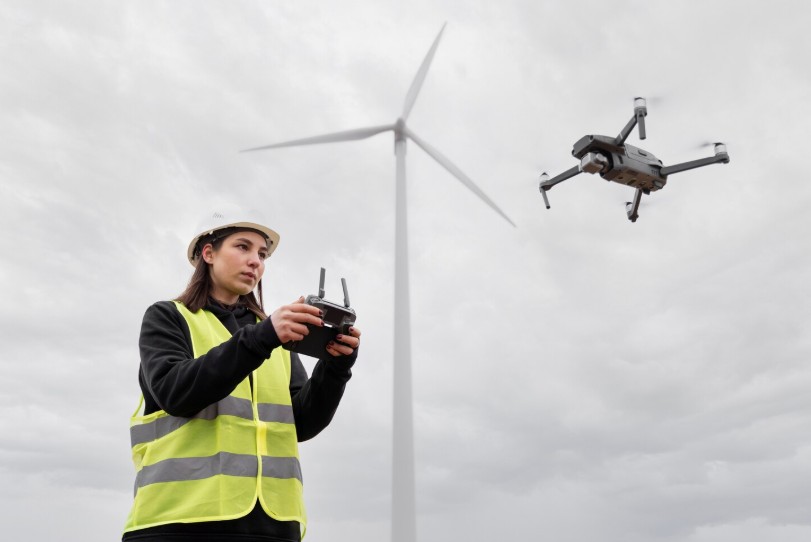
Introduction
In today’s rapidly evolving industrial world, businesses are constantly searching for safer, faster, and more cost-effective ways to inspect assets and infrastructure. Traditional inspection methods often involve scaffolding, rope access teams, helicopters, or manual surveys that can be expensive, time-consuming, and risky. This is where drone technology has transformed the inspection industry. From construction sites and oil facilities to power lines, telecom towers, pipelines, bridges, and solar farms, drones are now a trusted solution for collecting accurate visual data in hard-to-reach areas.
However, while drones offer tremendous advantages, operating them professionally requires more than simply flying a device with a camera. Companies must follow aviation laws, safety standards, risk management procedures, and operational protocols to ensure safe and legal use. This is why drone inspection with aviation compliance has become a critical requirement for modern businesses.
At Gulfnet, we understand that successful drone inspections depend on both advanced technology and strict compliance with aviation regulations. Businesses need assurance that every inspection is conducted safely, responsibly, and according to local airspace rules. Compliance protects people, property, and the reputation of the organization while ensuring smooth project execution.
This article explores how drone inspections meet modern aviation compliance standards, why regulations matter, how businesses benefit, and why Gulfnet is the trusted partner for compliant drone inspection services.
What Is Drone Inspection?
Drone inspection refers to the use of unmanned aerial vehicles (UAVs) equipped with cameras, thermal sensors, LiDAR systems, or other payloads to inspect structures, facilities, and assets. Instead of sending workers into dangerous or inaccessible areas, drones capture real-time aerial data safely from the air.
Common uses include:
- Building façade inspections
- Roof inspections
- Oil and gas facility inspections
- Wind turbine inspections
- Solar panel inspections
- Bridge and road inspections
- Power line monitoring
- Cell tower inspections
- Pipeline surveillance
- Construction progress monitoring
These inspections provide detailed imagery, thermal analysis, and measurable data while reducing operational risk.
But professional operations must always prioritize drone inspection with aviation compliance to remain legal and safe.
Why Aviation Compliance Matters in Drone Inspections
Many people assume drones are simple tools, but they are aircraft operating in shared airspace. This means drone flights can affect manned aircraft, nearby people, buildings, and sensitive zones if not properly managed.
Modern aviation compliance ensures that drone inspections are conducted under approved rules covering:
- Pilot licensing and qualifications
- Aircraft registration
- Flight permissions
- Airspace restrictions
- Operational risk assessments
- Safety procedures
- Data privacy considerations
- Insurance requirements
- Maintenance standards
- Emergency response planning
Without compliance, businesses face serious risks such as:
- Legal penalties
- Project shutdowns
- Safety incidents
- Insurance issues
- Data breaches
- Damage to reputation
That is why responsible companies choose drone inspection with aviation compliance through trusted providers like Gulfnet.
Key Aviation Regulations Affecting Drone Inspections
While regulations vary by country, most aviation authorities follow similar principles for commercial drone operations.
1. Drone Registration
Commercial drones often need to be officially registered with aviation authorities. Registration ensures accountability and traceability of aircraft used for inspections.
2. Certified Remote Pilots
Operators may need licenses, certifications, or competency approvals. Professional drone pilots understand navigation, meteorology, emergency handling, and safety rules.
3. Visual Line of Sight (VLOS)
Many jurisdictions require pilots to maintain visual contact with the drone unless special approval is granted.
4. Maximum Altitude Limits
Flights are usually limited to defined altitude levels to prevent conflicts with manned aircraft.
5. Restricted Zones
Drone inspections near airports, military zones, government sites, or urban centers may require special permissions.
6. Operational Safety Plans
Before flight, operators often conduct risk assessments covering obstacles, weather, crowds, and emergency landing zones.
7. Insurance Requirements
Commercial drone work may require liability coverage to protect against accidental damage or injury.
These rules show why drone inspection with aviation compliance is essential rather than optional.
How Drone Inspections Meet Compliance Standards
Professional drone service providers integrate compliance into every stage of an inspection project.
1. Pre-Flight Planning
Every compliant mission begins with planning. This includes:
- Reviewing airspace maps
- Checking NOTAMs or flight advisories
- Confirming weather conditions
- Assessing site hazards
- Defining mission objectives
- Identifying emergency landing areas
- Confirming battery readiness
- Reviewing local permissions
Gulfnet ensures every inspection starts with detailed preparation.
2. Licensed and Trained Pilots
Qualified pilots understand aviation law, aircraft systems, and emergency response. They know how to safely manage flights near infrastructure or challenging environments.
3. Approved Equipment
Professional drones used in inspections often include:
- GPS stabilization
- Obstacle avoidance systems
- Return-to-home functions
- Redundant safety systems
- Encrypted data transmission
- High-resolution imaging tools
Well-maintained equipment supports safe operations.
4. Real-Time Risk Management
During flights, pilots continuously monitor:
- Wind speed
- Battery health
- Air traffic activity
- Signal strength
- Obstacle movement
- Public safety conditions
If risks increase, missions are paused or adjusted.
5. Post-Flight Documentation
Compliance often includes maintaining records such as:
- Flight logs
- Maintenance logs
- Incident reports
- Battery cycles
- Site permissions
- Inspection reports
This documentation supports accountability and quality assurance.
Industries Benefiting from Drone Inspection with Aviation Compliance
Construction
Large projects need frequent progress checks, roof inspections, and structural reviews. Drones reduce delays and improve reporting.
Oil and Gas
Facilities often contain hazardous zones. Drones inspect flare stacks, tanks, pipelines, and offshore assets while reducing worker exposure.
Utilities
Power companies use drones to inspect towers, substations, and transmission lines quickly.
Telecommunications
Cell towers can be inspected without climbing crews, improving speed and reducing risk.
Real Estate
Developers use drone inspections for property assessment, roof checks, and land surveys.
Renewable Energy
Solar farms and wind turbines benefit from thermal imaging and visual diagnostics.
Every one of these sectors benefits when inspections are conducted through drone inspection with aviation compliance.
Safety Advantages of Compliant Drone Inspections
One of the biggest reasons businesses adopt drones is improved safety.
Reduced Working at Height
Workers no longer need scaffolding or rope access for many inspections.
Lower Exposure to Hazardous Areas
Drones can inspect hot zones, unstable structures, or contaminated environments remotely.
Faster Emergency Assessments
After storms or incidents, drones can quickly assess damage before personnel enter.
Controlled Operations
Compliant procedures reduce collision risk and improve situational awareness.
At Gulfnet, safety is integrated into every mission.
Cost Benefits of Drone Inspection with Aviation Compliance
Some businesses worry compliance increases costs. In reality, it often saves money.
Lower Labor Costs
Fewer personnel are needed compared to manual access methods.
Reduced Equipment Rental
Scaffolding, cranes, or helicopters may no longer be required.
Faster Turnaround
Inspections can be completed in hours instead of days.
Preventive Maintenance
Early detection of defects prevents expensive failures.
Lower Incident Costs
Safer operations reduce the financial impact of accidents.
When professionally managed, drone inspection with aviation compliance delivers strong return on investment.
Data Accuracy and Reporting
Modern drones do more than capture photos. They generate valuable business intelligence.
High-Resolution Images
Detailed visuals reveal cracks, corrosion, leaks, or wear.
Thermal Imaging
Heat anomalies help detect electrical faults, moisture intrusion, and damaged solar panels.
3D Mapping
Photogrammetry creates digital twins and measurable site models.
Time-Lapse Progress Tracking
Construction firms can compare progress over time.
AI Analysis
Some systems automatically identify defects or maintenance concerns.
Compliance ensures this data is collected responsibly and securely.
Privacy and Data Security Considerations
Modern regulations increasingly address privacy. During inspections, operators must avoid unnecessary collection of personal or sensitive data.
Best practices include:
- Limiting capture areas to required zones
- Secure data storage
- Controlled file access
- Encrypted transfers
- Permission-based sharing
- Responsible retention policies
At Gulfnet, professional handling of data is part of our compliance commitment.
Why Businesses Choose Gulfnet
Gulfnet combines technology expertise, safety discipline, and client-focused service to deliver trusted drone inspections.
Professional Standards
We prioritize lawful, safe, and efficient operations aligned with aviation requirements.
Skilled Operators
Our trained professionals understand complex inspection environments.
Advanced Technology
We use modern drone systems equipped for accurate inspections.
Reliable Reporting
Clients receive actionable reports that support decisions.
Flexible Solutions
From industrial plants to construction sites, Gulfnet tailors each project.
Commitment to Compliance
Every mission is built around drone inspection with aviation compliance so clients gain confidence and peace of mind.
Best Practices for Hiring a Drone Inspection Provider
When selecting a provider, ask these questions:
- Are pilots certified and experienced?
- Is the company insured?
- Do they understand local aviation rules?
- Can they provide risk assessments?
- What sensors and cameras do they use?
- How is data secured?
- Can they work in your industry environment?
- Do they maintain flight records and documentation?
A professional provider should clearly explain how they handle drone inspection with aviation compliance.
The Future of Compliant Drone Inspections
Drone technology continues to advance rapidly. Future developments include:
Autonomous Missions
Pre-programmed inspections with automated routes.
AI Defect Detection
Instant recognition of cracks, rust, leaks, and anomalies.
Beyond Visual Line of Sight (BVLOS)
Long-range inspections approved under advanced regulations.
Swarm Operations
Multiple drones inspecting large sites efficiently.
Integrated Asset Management
Drone data linked directly to maintenance systems.
As innovation grows, compliance will remain the foundation of safe adoption.
Common Mistakes Businesses Should Avoid
- Hiring unlicensed operators
- Ignoring local flight permissions
- Using consumer drones for industrial tasks
- Skipping risk assessments
- Neglecting weather conditions
- Poor data security controls
- Choosing lowest price over competence
These shortcuts create risk and reduce value.
Conclusion
Drone inspections have revolutionized the way businesses inspect infrastructure, facilities, and assets. They improve safety, reduce costs, accelerate project timelines, and deliver highly accurate data. However, these benefits can only be fully realized when operations are conducted responsibly and legally.
That is why drone inspection with aviation compliance is essential in modern industry. Compliance protects people, property, airspace users, and businesses themselves. It ensures every mission is planned correctly, flown safely, documented properly, and aligned with regulatory standards.
At Gulfnet, we believe advanced drone technology must always be supported by professional discipline and compliance excellence. Our team delivers dependable inspection solutions that help clients operate smarter while maintaining the highest standards of safety and legality.
If your business needs efficient, accurate, and fully compliant drone inspections, Gulfnet is ready to help you move forward with confidence.