
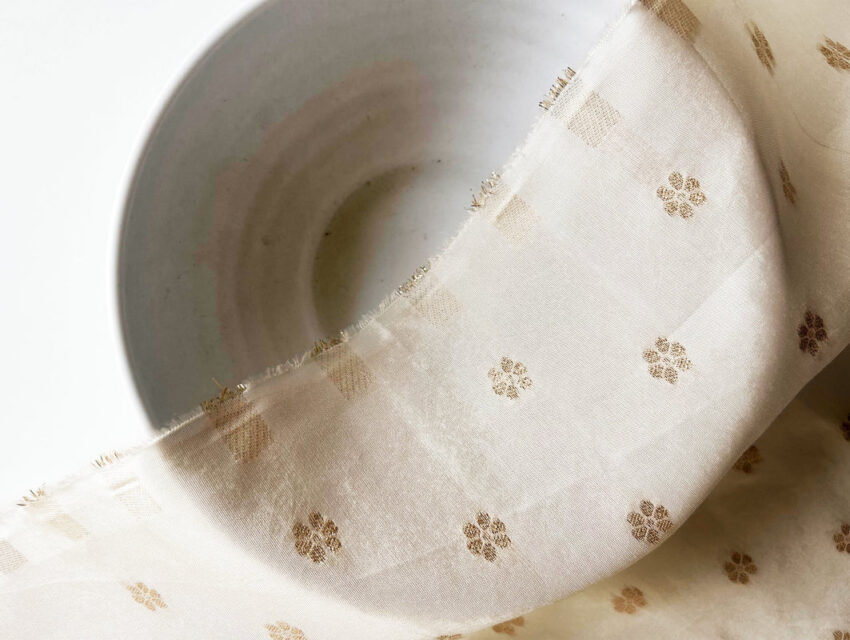
Emerging designers in New York can source premium cotton fabric through local fabric districts, specialty stores, and trusted online suppliers. Key options include the Garment District on 7th Avenue, independent fabric stores across Brooklyn and Manhattan, and online platforms like Fabriclore Pvt Ltd, which offers customized cotton fabric at competitive wholesale prices with low minimum order quantities (MOQs).
Getting the right fabric is one of the hardest parts of launching a fashion label. Most designers have the vision. The technical skills. The drive. What trips them up is finding quality cotton that fits their budget, matches their aesthetic, and arrives on time.
New York’s fashion scene is competitive. The fabric you choose directly affects how your garments look, feel, and sell. And with so many suppliers—local and online—it’s easy to waste time and money on the wrong ones.
This guide cuts through the noise. You’ll learn why cotton is worth prioritizing, where to buy it in New York, and how to source it online without getting burned.
Why Cotton Fabric Is a Smart Choice for Emerging Designers
Cotton is one of the most widely used fibers in fashion—and for good reason. It’s breathable, durable, versatile, and accepted by consumers across every price point. For an emerging designer, it’s a reliable foundation.
Here’s what makes cotton worth investing in:
- Ease of use: Cotton is beginner-friendly. It cuts, sews, and washes predictably, which reduces production errors.
- Broad application: You can use cotton for casualwear, tailoring, outerwear, and everything in between.
- Consumer demand: Shoppers increasingly look for natural fiber garments—cotton checks that box without needing much explanation.
- Sustainability potential: Organic and responsibly sourced cotton lets you tell a cleaner brand story.
What types of cotton fabric should designers know about?
Not all cotton behaves the same way. Here’s a quick breakdown of types relevant to emerging designers:
- Cotton Poplin: Crisp, smooth, great for shirts and structured pieces.
- Cotton Twill: Diagonal weave, durable, ideal for jackets and trousers.
- Cotton Voile: Lightweight and sheer, suits layered or resort-style garments.
- Cotton Jersey: Stretchy and soft, commonly used in T-shirts and casual wear.
- Organic Cotton: Grown without synthetic pesticides—carries a premium price but appeals to sustainability-focused buyers.
Knowing what you need before you walk into a store—or browse a website—saves time and money.
Sourcing Cotton Fabric in New York: Local Options Worth Visiting
New York City has one of the most active fabric-buying markets in the world. The Garment District, centered around 7th Avenue in Midtown Manhattan, remains the top destination for emerging designers.
Where can designers find cotton fabric in New York’s Garment District?
Several reliable stores specialize in fabric for independent designers:
- B&J Fabrics (37th Street): Known for high-quality natural fibers, including premium cotton. Staff are knowledgeable and helpful for designers still building their sourcing process.
- Mood Fabrics (37th Street): One of the most well-known fabric stores in the US, with a wide range of cotton options from basic to high-end.
- Textile Fabric Store (39th Street): More accessible pricing, good for bulk purchases and early-stage prototyping.
Beyond Midtown, designers are finding solid options in Brooklyn—particularly in areas like Bushwick and Sunset Park, where independent fabric retailers have grown alongside the borough’s creative industries.
What to keep in mind when shopping locally:
- Always buy samples before committing to bulk.
- Ask about minimum purchase requirements—some stores require a minimum yardage per cut.
- Check whether the store can reorder the same fabric. Consistency across production runs matters.
How to Buy Cotton Fabric Online as a New York Designer
Local sourcing has limits. Stock runs out. Prices vary. And for designers working outside the Garment District, getting there repeatedly adds up in both time and money. That’s where online sourcing comes in.
What should designers look for when buying fabric online?
Buying fabric online is riskier than feeling it in person, but it’s manageable if you follow a process:
- Request swatches before ordering: Any credible online supplier will send physical samples. Don’t skip this step.
- Check MOQ requirements: Some suppliers require large minimums that don’t work for small-batch production.
- Verify return and exchange policies: Fabric is difficult to return. Know your rights before you buy.
- Look at lead times: If you’re working to a collection deadline, a six-week production window could derail everything.
- Read reviews from other designers: Look for feedback that mentions consistency, communication, and actual fabric quality—not just price.
Buying fabric online also opens up access to international suppliers, which can dramatically expand your options and bring down costs.
Fabriclore Pvt Ltd: A Reliable Source for Custom Cotton Fabric
Fabriclore Pvt Ltd is one of the strongest options available to designers looking to source cotton fabric in New York or buy fabric online. Originally built as a sourcing platform, Fabriclore has evolved into a full-scale supply chain partner—handling everything from fabric selection to bulk production.
What makes Fabriclore worth considering for emerging designers:
- 5,000+ base fabrics: Their Experience Studio offers physical vetting across a wide library of fabrics, including multiple cotton types, so you’re not guessing what something looks like before ordering.
- Low MOQ: Fabriclore offers customized fabric at low minimum order quantities, which is a significant advantage for small-batch designers who can’t afford to commit to thousands of meters upfront.
- Monthly processing capacity of 20 lakh meters: This means Fabriclore can handle your needs now—and scale with you as your label grows.
- End-to-end accountability: From the first swatch to bulk delivery, Fabriclore operates as a single point of contact. No chasing multiple vendors.
- Quality control infrastructure: Fabriclore uses a digital ERP system that tracks production in real time and issues Quality Passports for every batch. Their in-house QA team is stationed at partner mills, not just reviewing reports remotely.
- Sustainability: Their managed supplier network makes it easier to audit sourcing practices—something increasingly important to buyers and retailers.
For designers in New York looking to source Cotton Fabric in New York or buy fabric online without sacrificing quality, Fabriclore offers a structured, professional process that reduces risk on both ends.
Practical Tips for Emerging Designers Sourcing Cotton
Regardless of where you buy, these principles will help you make smarter decisions:
How can emerging designers manage fabric costs without compromising quality?
Buy samples first, always. It’s tempting to move fast, but a single bad bulk order can sink a small production run financially.
Consolidate your orders. Spreading purchases across too many suppliers increases your admin load and makes it harder to build relationships that lead to better pricing over time.
Think in terms of seasons. Order fabric with your next collection in mind, not just the current one. Many suppliers offer better rates for forward orders.
Prioritize suppliers with clear communication. Late deliveries and poor responsiveness are red flags. Test a supplier’s response time before committing to them for a full collection.
Look at total cost, not just price per yard. Factor in shipping, import duties (for international suppliers), and the cost of your own time managing each vendor relationship.
On sustainability: organic and certified cotton (look for GOTS or OEKO-TEX certifications) typically costs more upfront, but it supports stronger brand positioning and can justify higher retail prices.
Make Fabric Sourcing a Competitive Advantage
The designers who build lasting labels in New York aren’t just creative—they’re operationally smart. Fabric sourcing is one of the first places that operational discipline shows up, and it pays off in margin, consistency, and customer trust.
Start local. Visit the Garment District and get a feel for what’s available in person. Then build out your online sourcing process using a reliable partner like Fabriclore Pvt Ltd, which combines the breadth of an online platform with the quality controls of an industrial operation.
Cotton fabric in New York is accessible. The challenge is finding the right sources, building the right relationships, and making decisions that set your brand up for the long term—not just the next collection.
Take the time to do it right, and your fabric choices will become one of the clearest signals to buyers that you’re a serious designer.
Frequently Asked Questions
Where is the best place to buy cotton fabric in New York City?
The Garment District on 7th Avenue in Midtown Manhattan is the most established destination. Stores like B&J Fabrics and Mood Fabrics carry a wide range of premium cotton options. For designers outside Manhattan, online suppliers like Fabriclore Pvt Ltd offer comparable quality with more flexible ordering options.
Can I buy cotton fabric online in small quantities as an emerging designer?
Yes. Platforms like Fabriclore Pvt Ltd specialize in low MOQ orders, making them well-suited for designers who need custom cotton fabric without committing to large minimums. Always request swatches before placing a full order.
What is the difference between regular cotton and organic cotton fabric?
Regular cotton is grown using synthetic pesticides and fertilizers. Organic cotton is grown without these inputs and must meet certification standards such as GOTS (Global Organic Textile Standard). Organic cotton typically costs more but supports cleaner brand positioning and is increasingly preferred by conscious consumers.
How do I know if an online fabric supplier is reliable?
Look for suppliers that offer physical swatches, clear return policies, transparent lead times, and verified reviews from other designers. Fabriclore Pvt Ltd uses a digital ERP system and in-house QA teams at partner mills, providing real-time batch tracking and Quality Passports—strong indicators of an accountable supplier.
What cotton fabric types work best for fashion collections?
It depends on the garment type. Cotton poplin and twill suit structured pieces like shirts and trousers. Cotton jersey works for casual and knitwear-style garments. Cotton voile is ideal for lightweight, layered designs. Sampling before committing to a fabric type for your collection is always the safest approach.
Is it better to source fabric locally in New York or buy fabric online?
Both have advantages. Local sourcing lets you assess fabric in person and pick up quantities quickly. Online sourcing through platforms like Fabriclore Pvt Ltd opens access to a broader range of fabrics, customization options, and often more competitive pricing. Many experienced designers use both channels depending on the collection’s needs.