
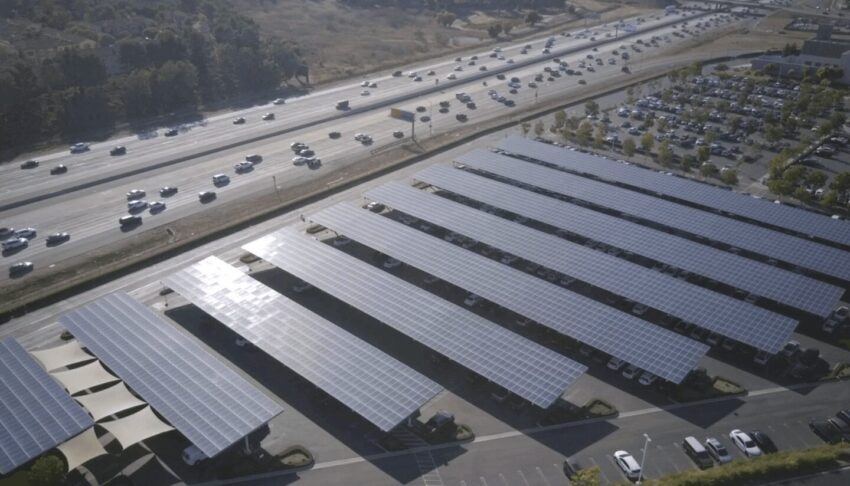
Energy costs are no longer just another operational expense — they’re a strategic priority. With fluctuating wholesale markets, complex contracts, and growing sustainability pressures, businesses need more than basic price comparisons. This is where energy procurement consulting becomes essential. By combining market intelligence, contract expertise, and long-term planning, procurement specialists help organisations secure competitive pricing while reducing exposure to volatility and risk.
For Australian businesses, energy decisions today can shape financial performance for years to come. The right approach ensures not only cost control but also resilience and operational efficiency.
Why Energy Procurement Is More Complex Than Ever
The Australian energy market is dynamic. Regulatory shifts, network cost changes, renewable integration, and global supply factors all influence pricing. Businesses that rely on outdated procurement strategies often face unpredictable bills and missed opportunities.
Traditional tendering processes — where companies simply request quotes and select the lowest offer — rarely deliver optimal results. Instead, a strategic framework that analyses load profiles, consumption behaviour, risk tolerance, and future growth plans provides far greater value.
Working with experienced energy consultants australia gives businesses access to insights that internal teams often lack. Consultants monitor wholesale trends, interpret contract structures, and negotiate with retailers on behalf of clients, ensuring informed decisions rather than reactive ones.
The Strategic Advantage of Expert Guidance
Effective procurement is about timing, structure, and foresight. Locking in rates at the wrong moment can cost millions over a contract term. Conversely, a well-timed strategy aligned with market conditions can deliver substantial savings.
Professional advisory teams provide comprehensive energy strategy solutions that go beyond procurement cycles. They assess:
- Market timing strategies
- Fixed vs. flexible contract models
- Risk management frameworks
- Renewable integration opportunities
- Long-term sustainability goals
This strategic lens ensures that procurement aligns with broader business objectives, not just short-term price reductions.
Data-Driven Decisions Through Energy Analytics
One of the most overlooked elements of procurement is data. Without detailed consumption analysis, businesses often overestimate or underestimate their usage patterns, leading to misaligned contracts.
Robust energy management services provide visibility into usage trends, peak demand drivers, and operational inefficiencies. Advanced analytics can uncover:
- Hidden cost spikes
- Load-shifting opportunities
- Inefficient equipment usage
- Demand charge optimisation potential
By integrating procurement with ongoing management and analytics, businesses create a continuous improvement loop — securing competitive rates while actively reducing overall consumption.
Reducing Risk in a Volatile Market
Volatility is one of the biggest challenges in today’s energy environment. Wholesale price swings can significantly impact contract offers, and poorly structured agreements can leave businesses exposed.
Procurement consultants mitigate this risk by:
- Monitoring live market conditions
- Advising on strategic purchasing windows
- Structuring contracts to balance flexibility and stability
- Negotiating favourable commercial terms
Rather than reacting to retailer proposals, businesses gain proactive control over their energy strategy.
Sustainability and Procurement: A Growing Priority
Sustainability targets are no longer optional. Many organisations face investor expectations, regulatory requirements, and customer demands to reduce emissions and demonstrate environmental responsibility.
Strategic procurement now includes renewable sourcing options such as Power Purchase Agreements (PPAs) and green energy products. Consultants evaluate feasibility, cost implications, and long-term benefits, ensuring sustainability goals align with financial objectives.
By embedding sustainability into procurement planning, businesses can reduce emissions while maintaining budget certainty — a balance that requires expert modelling and negotiation.
Long-Term Value Beyond Contract Signing
Energy procurement should not be treated as a once-every-few-years exercise. Continuous monitoring and review create ongoing opportunities for optimisation.
Forward-thinking organisations treat procurement as part of a broader energy governance framework. This includes regular performance tracking, invoice validation, and strategic reviews aligned with market conditions.
Collaborating with specialists like utilizer energy consultants allows businesses to move from transactional buying to strategic energy management. Instead of focusing solely on price, companies benefit from holistic advisory support covering compliance, analytics, and market forecasting.
Common Pitfalls Businesses Should Avoid
Without expert guidance, businesses often encounter avoidable challenges, such as:
- Signing long-term contracts during peak market conditions
- Overlooking demand charges and network tariffs
- Failing to align procurement with operational changes
- Missing renewable opportunities due to limited market knowledge
Each of these pitfalls can significantly increase costs over time. A structured consulting approach helps prevent these errors while identifying untapped savings.
The Financial Impact of Smarter Procurement
Energy can represent a substantial portion of operational expenditure, particularly for manufacturing, healthcare, education, and commercial property sectors. Even marginal improvements in procurement strategy can translate into significant annual savings.
More importantly, predictable energy costs enhance budgeting accuracy and financial planning. CFOs and finance teams gain clarity, reducing exposure to unexpected cost spikes.
Strategic procurement also strengthens negotiation leverage. When consultants manage the process with competitive tension and detailed market insight, retailers are more likely to offer favourable terms.
A Future-Ready Approach to Energy
The energy landscape will continue evolving — driven by decarbonisation, digitalisation, and decentralised generation. Businesses that adopt a proactive procurement model today will be better positioned to navigate these changes tomorrow.
Energy is no longer just about keeping the lights on. It’s about resilience, competitiveness, and sustainability. The organisations that treat procurement as a strategic function rather than an administrative task consistently outperform their peers in both cost management and operational efficiency.
Conclusion
In a market defined by complexity and volatility, professional guidance makes a measurable difference. From data analytics and risk management to renewable integration and contract negotiation, strategic procurement delivers far more than short-term savings.
Partnering with experts like Utilizer ensures your organisation benefits from deep market insight, tailored advisory strategies, and ongoing optimisation. By taking a proactive and informed approach, businesses can transform energy from a fluctuating expense into a controlled, strategic advantage.