
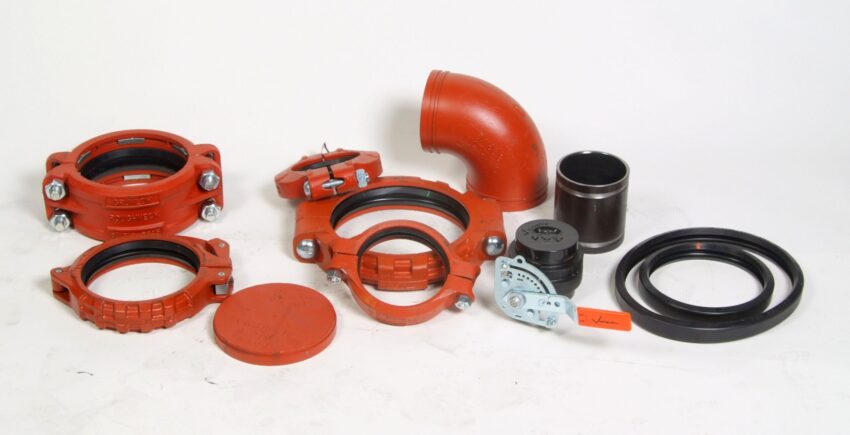
Safety remains one of the most important priorities in industrial, marine, and oilfield operations. Every system that transports liquids, gases, or other materials depends on reliable flow control equipment to operate efficiently while minimizing risks. Whether it is managing pressure, regulating flow, or preventing leaks, quality components help maintain consistent performance in demanding environments.
Among the most widely used flow control devices is the butterfly valve, valued for its compact design, fast operation, and dependable sealing capabilities. When paired with proper installation practices and quality sealing compounds such as water pipe dope, these systems contribute to stronger, leak-resistant connections that improve workplace safety.
Understanding Flow Control Equipment
Flow control equipment includes valves, fittings, seals, actuators, gauges, and connectors that regulate the movement of fluids throughout industrial systems. Each component plays a specific role in maintaining the desired pressure, flow rate, and operational efficiency.
A properly selected butterfly valve helps control fluid movement with minimal pressure loss while allowing quick shut-off during maintenance or emergency situations. At the same time, threaded pipe connections often benefit from water pipe dope, which creates an effective seal and reduces the likelihood of leaks over time.
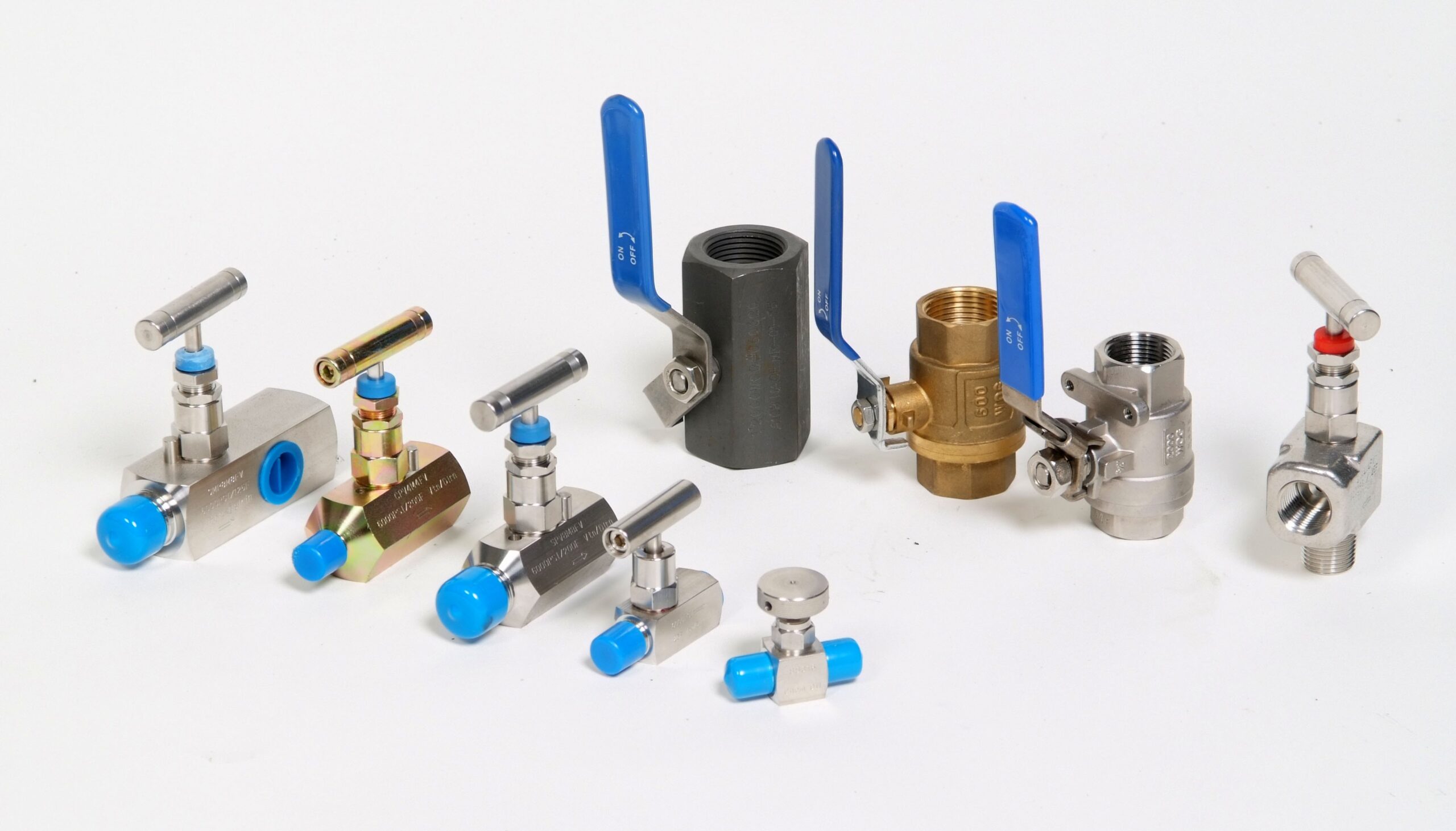
Common Types of Flow Control Equipment
- Valves for regulating flow
- Pressure relief devices
- Pipe fittings and connectors
- Actuators and control systems
- Flow meters
- Sealing compounds
- Industrial gaskets
Each of these components contributes to safer and more reliable operations across different industries.
Why Equipment Quality Directly Impacts Safety?
Low-quality equipment often wears out faster, develops leaks, or fails under pressure. These failures may result in production delays, expensive repairs, environmental hazards, or safety incidents.
High-quality flow control equipment undergoes rigorous manufacturing standards and testing before installation. A durable butterfly valve offers dependable performance under varying temperatures and pressures, while correctly applied water pipe dope helps strengthen threaded joints against vibration and moisture intrusion.
Reliable equipment reduces unexpected failures and provides greater confidence during daily operations.
Leak Prevention Improves Workplace Safety
Fluid leaks create several workplace hazards, including slippery surfaces, pressure loss, contamination, and equipment damage. Preventing leaks starts with selecting dependable components and following proper installation practices.
A well-installed butterfly valve provides consistent sealing during operation, helping isolate sections of a pipeline whenever maintenance is required. Likewise, water pipe dope fills microscopic gaps in threaded fittings, reducing the possibility of leaks caused by pressure fluctuations or temperature changes.
Benefits of Effective Leak Prevention
- Reduces workplace accidents.
- Protects valuable equipment.
- Improves environmental compliance.
- Minimizes product loss.
- Supports uninterrupted production.
Small improvements in sealing often produce significant long-term safety benefits.
Reliable Flow Control Reduces Operational Risks
Industrial systems frequently operate under challenging conditions involving high pressure, corrosive materials, and continuous usage. Flow control equipment must withstand these demanding environments without compromising safety.
A durable butterfly valve responds quickly during shutdown procedures and helps isolate equipment before inspections or repairs begin. In threaded applications, properly selected water pipe dope supports reliable sealing performance while allowing easier maintenance whenever connections need servicing.
Reliable equipment helps maintenance teams perform their work more safely and efficiently.
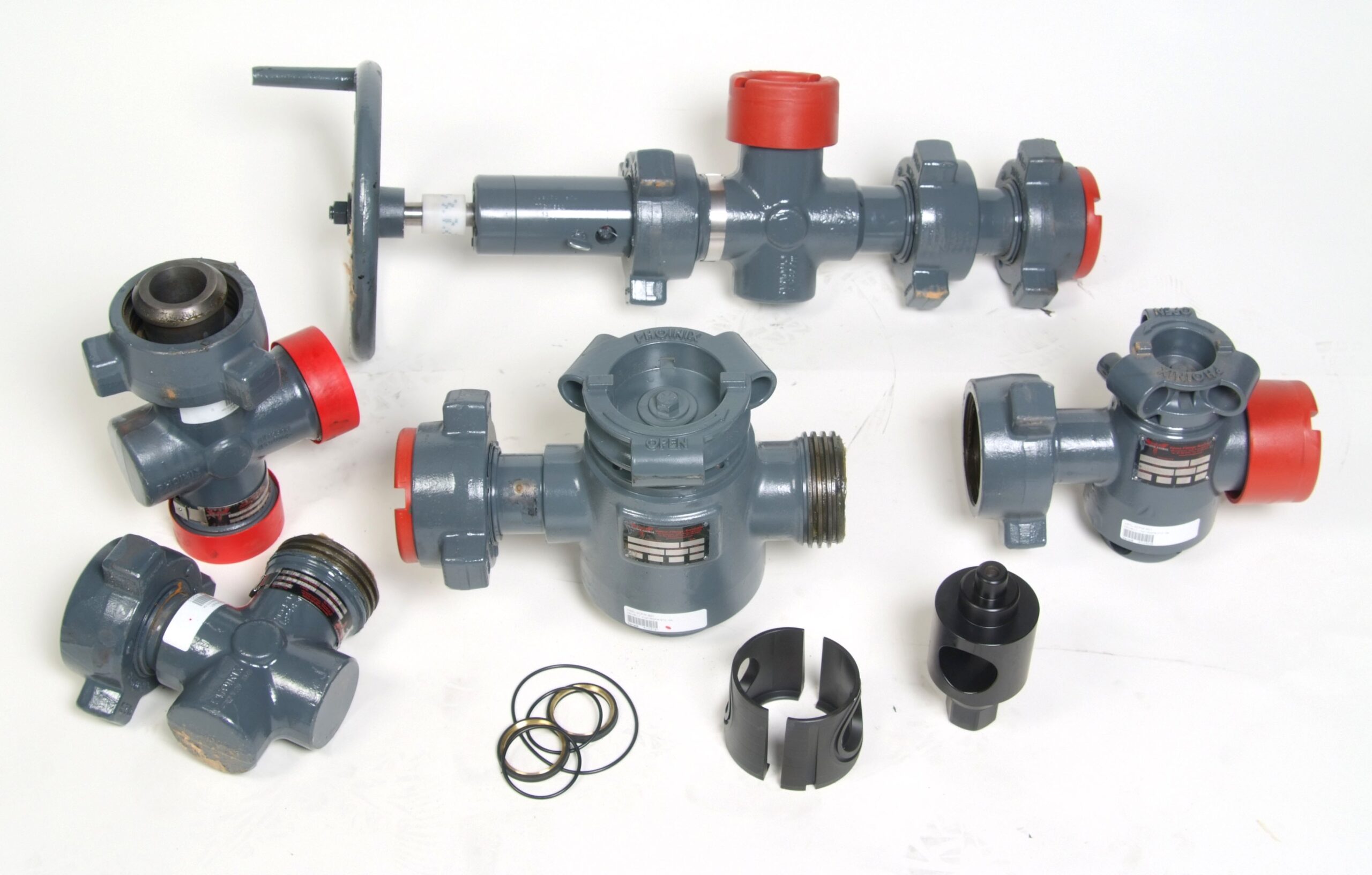
Supporting Equipment Longevity Through Proper Installation
Even premium equipment performs poorly if installed incorrectly. Careful installation helps maximize service life while maintaining consistent operating performance.
Installation teams should inspect all components before assembly, verify alignment, apply recommended torque values, and use appropriate sealing materials. When threaded fittings are involved, water pipe dope provides additional sealing protection without interfering with future disassembly. A correctly installed butterfly valve also experiences less operational stress, improving long-term reliability.
Proper installation protects both equipment and personnel.
Routine Maintenance Keeps Systems Safe
Preventive maintenance identifies potential problems before they become major failures. Scheduled inspections reduce downtime while extending equipment life.
Maintenance programs should include:
- Inspecting valves for wear.
- Checking seals and threaded joints.
- Monitoring pressure levels.
- Testing emergency shut-off functions.
- Cleaning internal components.
- Replacing worn parts when necessary.
Routine inspections often reveal issues around a butterfly valve before they affect system performance. During maintenance, technicians also evaluate threaded joints sealed with water pipe dope to ensure continued leak protection.
Choosing the Right Components for Every Application
Different industries require different flow control solutions. Selecting equipment based on operating pressure, temperature, media type, and environmental conditions improves both performance and safety.
For many industrial applications, a butterfly valve provides an excellent balance of efficiency, compact size, and operational reliability. Where threaded pipe systems are used, water pipe dope helps achieve dependable sealing that supports long-term system integrity.
Selecting compatible components reduces maintenance costs and improves operational confidence.
The Role of Quality Manufacturers
Equipment quality starts with experienced manufacturers who prioritize engineering, testing, and material selection. Reliable suppliers provide products that meet industry standards while offering technical expertise for proper application.
Working with trusted manufacturers helps organizations obtain dependable butterfly valve solutions and compatible sealing products such as water pipe dope, ensuring systems operate safely throughout their service life.
Quality products represent an investment in operational reliability rather than simply a purchase.
Best Practices for Safer Flow Control Operations
Organizations improve safety by combining quality equipment with proper operating procedures.
Recommended Best Practices
- Select equipment designed for the application.
- Follow manufacturer installation guidelines.
- Inspect systems regularly.
- Replace damaged components promptly.
- Train personnel on safe operating procedures.
- Maintain proper sealing on threaded joints using approved water pipe dope.
- Test every butterfly valve periodically to verify smooth operation.
- Document maintenance activities for future reference.
These practices reduce equipment failures while improving workplace safety.
How Employee Training Strengthens Flow Control Safety?
Even the most advanced flow control equipment delivers its best performance only when handled by trained personnel. Operators who understand system pressure, valve operation, and maintenance procedures are better equipped to identify potential issues before they develop into costly failures. Regular training also ensures that employees follow safety protocols during installation, inspection, and emergency shutdown procedures.
For example, technicians should know the correct operating limits of a butterfly valve and recognize signs of wear such as difficult operation, unusual vibration, or leakage. Likewise, understanding the proper application of water pipe dope prevents overuse or incorrect sealing techniques that may affect threaded connections. Ongoing training reduces human error, improves workplace confidence, and supports a safer operating environment across industrial facilities.
Planning for Long-Term Operational Reliability
Long-term safety depends on more than purchasing high-quality equipment. Organizations should establish maintenance schedules, keep replacement parts readily available, and regularly evaluate system performance. Proactive planning helps detect minor issues before they interrupt production or create safety concerns.
Facilities that routinely inspect every butterfly valve for proper operation experience fewer unexpected shutdowns and lower maintenance costs over time. Similarly, checking threaded joints where water pipe dope has been applied helps maintain leak-free connections and protects the overall piping system. Combining preventive maintenance with quality components creates a dependable flow control strategy that supports productivity, extends equipment lifespan, and helps industrial operations meet both safety and performance goals year after year.
Conclusion
High-quality flow control equipment forms the foundation of safe and efficient industrial operations. Reliable valves, fittings, and sealing materials work together to minimize leaks, improve operational control, and reduce maintenance challenges. Investing in durable components helps organizations protect both personnel and equipment while maintaining productivity.
Whether selecting a dependable butterfly valve for precise flow regulation or using water pipe dope to create secure threaded connections, every quality component contributes to a safer and more reliable operating environment.