

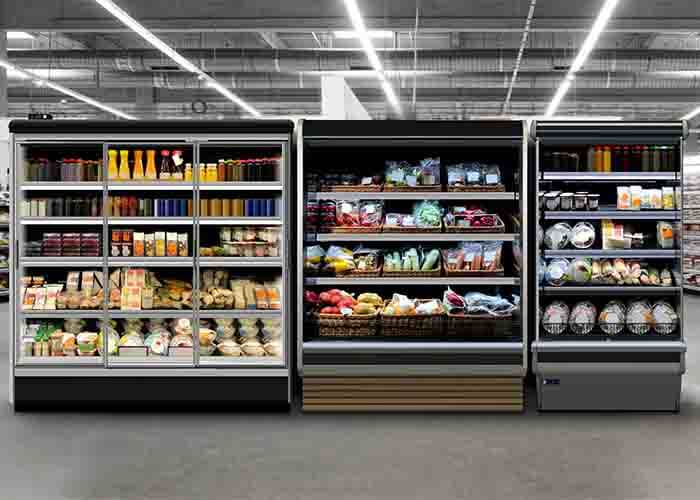
Cold storage facilities play a critical role in industries such as food processing, pharmaceuticals, chemicals, agriculture, and logistics. These facilities are designed to preserve temperature-sensitive products and maintain their quality throughout storage and transportation. At the heart of every efficient cold storage operation lies a reliable industrial refrigeration system. Without advanced refrigeration technology, businesses would struggle to maintain product safety, reduce spoilage, and meet customer demands.
Industrial refrigeration systems are specifically engineered to handle large-scale cooling applications. Unlike domestic or small commercial refrigeration units, these systems are built for high-capacity operations and continuous performance. They ensure precise temperature control, energy efficiency, and operational reliability, all of which are essential for modern cold storage facilities.
In today’s competitive market, improving efficiency is more important than ever. Companies are constantly seeking ways to lower operating costs, reduce energy consumption, and increase productivity. Industrial refrigeration helps achieve these goals by optimizing cooling performance and enhancing storage conditions.
The Importance of Cold Storage Facilities
Cold storage facilities are essential for preserving products that require controlled temperatures. Industries that rely heavily on cold storage include:
- Food and beverage
- Dairy processing
- Seafood and meat storage
- Pharmaceutical manufacturing
- Agriculture and horticulture
- Chemical processing
Temperature fluctuations can cause product deterioration, spoilage, and financial losses. For example, food products stored at incorrect temperatures may become unsafe for consumption, while pharmaceutical products may lose their effectiveness.
Efficient cold storage facilities ensure:
- Extended product shelf life
- Reduced waste and spoilage
- Compliance with safety regulations
- Improved product quality
- Better inventory management
Industrial refrigeration systems are the backbone of these facilities, ensuring stable cooling conditions around the clock.
What Is Industrial Refrigeration?
Industrial refrigeration refers to large-scale cooling systems used in manufacturing plants, warehouses, processing facilities, and distribution centers. These systems use refrigerants such as ammonia, carbon dioxide, or other environmentally friendly cooling agents to remove heat and maintain low temperatures.
Industrial refrigeration systems typically include:
- Compressors
- Condensers
- Evaporators
- Refrigerant piping
- Control systems
- Insulated storage areas
These components work together to create controlled environments that support efficient cold storage operations.
Improved Temperature Control
One of the biggest advantages of industrial refrigeration is precise temperature management. Maintaining consistent temperatures is critical for preserving perishable goods.
Modern refrigeration systems are equipped with advanced monitoring and automation technologies that help operators maintain exact temperature levels. Sensors and digital controls continuously monitor storage conditions and automatically adjust cooling output when needed.
Benefits of precise temperature control include:
- Reduced product spoilage
- Improved food safety
- Better pharmaceutical storage conditions
- Enhanced product quality
- Compliance with industry standards
Stable temperatures also prevent the formation of ice buildup and moisture-related damage, which can negatively impact stored products.
Enhanced Energy Efficiency
Energy consumption is one of the largest operating expenses for cold storage facilities. Industrial refrigeration systems are designed to maximize cooling performance while minimizing energy use.
Modern systems use energy-efficient technologies such as:
- Variable speed compressors
- Smart control systems
- Heat recovery systems
- High-efficiency evaporators
- Advanced insulation materials
These technologies reduce unnecessary power consumption and improve overall system performance.
For example, variable speed compressors adjust cooling capacity based on actual demand instead of running at full capacity continuously. This reduces energy waste and lowers electricity costs.
Energy-efficient refrigeration systems also support sustainability goals by reducing carbon emissions and environmental impact.
Reduced Product Loss and Waste
Product spoilage can result in significant financial losses for businesses that rely on cold storage. Industrial refrigeration systems help minimize waste by maintaining ideal storage conditions.
Consistent cooling prevents:
- Bacterial growth
- Product contamination
- Dehydration
- Freezer burn
- Temperature-related damage
This is especially important in industries such as food processing and pharmaceuticals, where product integrity is essential.
By reducing spoilage and waste, businesses can improve profitability and customer satisfaction.
Increased Operational Reliability
Cold storage facilities often operate 24 hours a day, making reliability a top priority. Industrial refrigeration systems are designed for continuous operation under demanding conditions.
Modern systems feature:
- Durable components
- Automated monitoring
- Backup safety controls
- Preventive maintenance capabilities
These features help reduce downtime and prevent unexpected failures.
Advanced monitoring systems can detect potential issues before they become major problems. Operators receive alerts for abnormal temperature changes, refrigerant leaks, or equipment malfunctions, allowing quick corrective action.
Reliable refrigeration systems ensure uninterrupted operations and protect valuable inventory.
Better Storage Capacity Utilization
Efficient refrigeration systems help optimize storage space within cold storage facilities. Proper airflow and temperature distribution ensure all areas of the facility maintain consistent cooling conditions.
This allows businesses to:
- Store products more efficiently
- Maximize warehouse capacity
- Improve inventory organization
- Reduce overcrowding
Uniform cooling also eliminates hot spots that can compromise product quality.
With improved storage management, businesses can handle larger inventories without sacrificing efficiency or product safety.
Automation and Smart Technology Integration
Modern industrial refrigeration systems increasingly use automation and smart technologies to improve efficiency.
Smart refrigeration solutions offer features such as:
- Remote monitoring
- Automated temperature adjustments
- Real-time performance analytics
- Predictive maintenance
- Energy usage tracking
These technologies help facility managers make informed decisions and optimize operations.
Remote monitoring allows operators to access system data from mobile devices or computers, improving response times and operational control.
Predictive maintenance tools identify wear and performance issues before equipment failure occurs, reducing repair costs and downtime.
Improved Compliance with Safety Standards
Cold storage facilities must comply with strict industry regulations related to food safety, pharmaceutical storage, and environmental protection.
Industrial refrigeration systems support compliance by maintaining controlled environments and accurate temperature records.
Industries commonly regulated include:
- Food and beverage manufacturing
- Pharmaceutical storage
- Chemical processing
- Medical supply distribution
Advanced refrigeration systems often include automated reporting and data logging features that simplify regulatory compliance and audits.
Meeting safety standards helps businesses avoid penalties, maintain certifications, and protect their reputation.
Environmentally Friendly Cooling Solutions
Sustainability has become a major focus in industrial operations. Many businesses are transitioning to eco-friendly refrigeration systems that reduce environmental impact.
Modern industrial refrigeration systems use natural refrigerants such as:
- Ammonia
- Carbon dioxide
- Hydrocarbons
These refrigerants offer lower global warming potential compared to traditional synthetic refrigerants.
Energy-efficient equipment and improved system designs also reduce greenhouse gas emissions and overall energy consumption.
Environmentally friendly refrigeration solutions not only support sustainability goals but can also reduce long-term operating costs.
Faster Cooling and Product Preservation
Industrial refrigeration systems are capable of rapidly cooling products to required storage temperatures. Quick cooling is essential for preserving freshness and preventing bacterial growth.
Fast cooling benefits include:
- Improved food quality
- Extended shelf life
- Better texture and appearance
- Reduced contamination risks
Blast freezing and rapid chilling technologies are commonly used in food processing and cold storage facilities to maintain product integrity.
Efficient cooling processes also improve workflow and reduce delays in product handling and distribution.
Scalability for Growing Businesses
As businesses expand, cold storage requirements often increase. Industrial refrigeration systems are highly scalable and can be customized to accommodate changing operational needs.
Facilities can add:
- Additional storage rooms
- Larger compressors
- Expanded piping systems
- Advanced automation controls
This flexibility allows businesses to grow without completely replacing existing infrastructure.
Scalable refrigeration systems provide long-term value and support future expansion plans.
Conclusion
Industrial refrigeration is a vital component of efficient cold storage facilities. From precise temperature control and energy savings to reduced product waste and improved operational reliability, these systems offer numerous benefits for modern industries.
As demand for temperature-controlled storage continues to grow, businesses must invest in advanced refrigeration solutions that enhance performance and support sustainability goals. Modern industrial refrigeration systems not only improve efficiency but also help companies maintain product quality, comply with regulations, and reduce operating costs.
Whether used in food processing, pharmaceuticals, agriculture, or logistics, industrial refrigeration plays a crucial role in maintaining the integrity of temperature-sensitive products. By adopting energy-efficient and technologically advanced refrigeration systems, cold storage facilities can achieve greater productivity, profitability, and long-term success.