

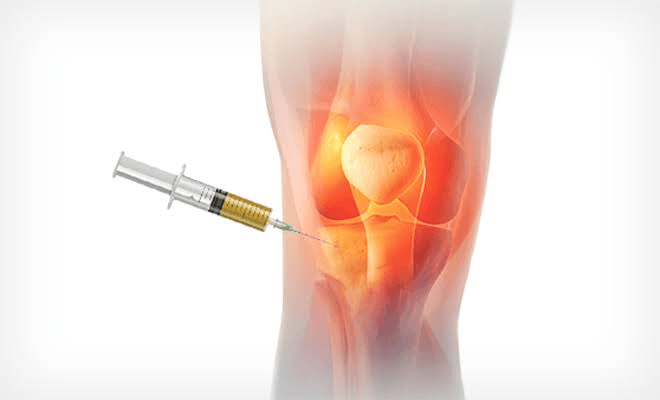
When considering a medical procedure, it is natural to wonder how much time it will take and whether it will interrupt your usual routine. For people exploring platelet-rich plasma (PRP) treatment for knee discomfort, two common questions are how long the appointment lasts and when normal activities can resume.
PRP uses a concentration of platelets prepared from a sample of the patient’s own blood. It has been studied for knee osteoarthritis, with some patients reporting improvements in pain and function. However, the evidence remains mixed, and treatment outcomes vary.
Understanding the appointment process and recovery considerations can help you plan realistically.
How Long Does a PRP Knee Injection Appointment Take?
A PRP knee injection is usually performed as an outpatient procedure, meaning an overnight hospital stay is generally unnecessary. The total appointment time depends on the clinic’s preparation system, the injection technique, and whether additional assessment is required.
The appointment typically includes three main stages:
Initial assessment: The clinician reviews your symptoms, medical history, and suitability for treatment. If you have already completed a consultation, this stage may be shorter.
Blood collection and preparation: A small blood sample is collected and processed in a centrifuge to concentrate the platelets. The time required varies with the equipment and protocol used.
Injection and aftercare: The prepared PRP is injected into the intended area of the knee. The healthcare team then provides instructions for activity, symptom monitoring, and follow-up.
Rather than relying on a fixed duration, ask your provider how much time you should set aside for the entire visit, including any waiting period.
What Happens Immediately After the Injection?
Once the injection is completed, you may be able to leave the clinic after any recommended observation period and after receiving your aftercare instructions.
Some patients experience mild tenderness, pressure, or stiffness around the knee. Temporary swelling or increased discomfort can also occur.
Your clinician may recommend modifying activity for a period after treatment. The advice will depend on your diagnosis, the injection technique, and your individual circumstances.
PRP is not a major surgical procedure, but it still involves an injection into or around the joint. Following the recommended precautions is important.
When Can You Walk After a PRP Knee Injection?
Walking restrictions vary. Some patients can walk short distances soon after the appointment, while others may need to limit weight-bearing activity temporarily because of discomfort or their underlying knee condition.
Your doctor should explain how much walking is appropriate for you. If walking is comfortable and permitted, short, gentle movements may be reasonable. Avoid pushing through significant pain or assuming that the knee is ready for strenuous activity simply because you have left the clinic.
If you experience difficulty bearing weight, severe pain, or rapidly increasing swelling, contact your healthcare professional promptly.
When Can You Return to Work?
The timing depends largely on your work responsibilities and how your knee feels after treatment.
People with desk-based jobs may be able to return relatively quickly if they feel comfortable and can manage sitting, standing, and travelling. Jobs involving prolonged standing, frequent stair climbing, heavy lifting, or physical labour may require more planning.
Before your appointment, explain your usual work duties to your clinician. You can then discuss whether temporary adjustments or time away from physically demanding tasks may be appropriate.
There is no single return-to-work timeline that suits everyone.
When Can You Resume Exercise?
Exercise should generally be resumed according to a personalised plan rather than a universal schedule.
Your clinician may recommend avoiding strenuous activity during the initial recovery period. Depending on your condition, a gradual return to low-impact movement and prescribed rehabilitation exercises may follow.
Running, jumping, heavy resistance training, and demanding sports should not be restarted without appropriate guidance. If physiotherapy is part of your treatment plan, your therapist can help determine how to progress safely.
People who exercise regularly should discuss their usual training routine before treatment so that recovery recommendations reflect their actual activity levels.
When Will You Notice Improvements in Knee Pain?
The time required to assess whether PRP has helped is different from the time needed to recover from the injection itself.
Temporary soreness may settle over several days, but any improvement in the underlying knee symptoms may take longer to evaluate. Some patients report gradual changes over the following weeks, while others experience limited or no benefit.
Research on PRP injections for knee pain has produced mixed findings. Results can differ according to the condition being treated, the PRP preparation method, and the characteristics of the patient.
PRP should not be viewed as an instant painkiller. It has not been conclusively shown to restore lost cartilage or reverse advanced knee osteoarthritis.
What Factors Influence Recovery?
Several factors may affect how quickly you return to your normal routine.
-
Underlying diagnosis: Osteoarthritis and other knee conditions may have different recovery needs.
-
Severity of symptoms: Significant pain or restricted movement before treatment can affect activity afterward.
-
Individual response: Patients differ in how they experience soreness and respond to the procedure.
-
Activity demands: A sedentary routine may be easier to manage than physically demanding work or sport.
-
Aftercare and rehabilitation: Following personalised advice can help you avoid unnecessary strain and monitor your progress.
If you are considering a PRP knee injection in Bangalore, ask the treating clinician how these factors may affect your own recovery rather than relying on general timelines alone.
What Should You Do During the Recovery Period?
A few practical steps can help you follow your treatment plan:
-
Follow the clinician’s instructions about walking, exercise, and activity restrictions.
-
Take medication only as advised, and do not stop prescribed medicines without medical guidance.
-
Keep track of changes in pain, stiffness, and everyday function.
-
Attend recommended follow-up appointments.
-
Seek prompt medical advice if symptoms become severe or worsen unexpectedly.
Fever, marked redness, rapidly increasing swelling, severe pain, or new difficulty bearing weight should be assessed urgently because they may indicate a complication.
Questions to Ask Before Scheduling Treatment
Before committing to an appointment, consider asking:
-
How long should I set aside for the full visit?
-
Will I need someone to accompany me?
-
How soon can I return to work?
-
When can I resume exercise or physiotherapy?
-
What symptoms are expected, and which ones require medical attention?
-
When will we review whether the treatment has helped?
These questions are useful whether you are exploring Knee PRP Injections in Indiranagar Bangalore or considering treatment elsewhere.
Final Thoughts
A PRP knee injection is generally performed as an outpatient procedure, but the total appointment time and recovery needs vary. Some people resume light daily activities relatively quickly, while others require more time or temporary modifications to their routine.
The potential effect on knee pain may take weeks to assess, and meaningful improvement is not guaranteed. A clear discussion with a qualified healthcare professional can help you plan your appointment, understand your aftercare, and decide whether PRP is suitable for your condition.