
Urban driving presents a unique set of challenges. From congested streets and unpredictable traffic to limited parking and constant distractions, city driving can be stressful and time-consuming. Commuters often spend more time navigating traffic and searching for parking than actually reaching their destinations.
Fortunately, advances in automotive technology are transforming the way drivers handle these challenges. Modern vehicles equipped with smart systems make city driving safer, more efficient, and more convenient. By integrating tools such as advanced navigation, parking assistance, connectivity, and safety systems, technology has become an essential component of the urban driving experience.
In this article, we’ll explore how these technological advancements help city drivers save time, reduce stress, and enjoy a smoother commute.
Smart Navigation Systems
One of the most impactful innovations in urban driving is smart navigation. Real-time GPS systems not only provide directions but also adapt to changing traffic conditions, road closures, and construction zones. With these systems, drivers can choose the fastest and most efficient route, avoiding congestion and unnecessary delays.
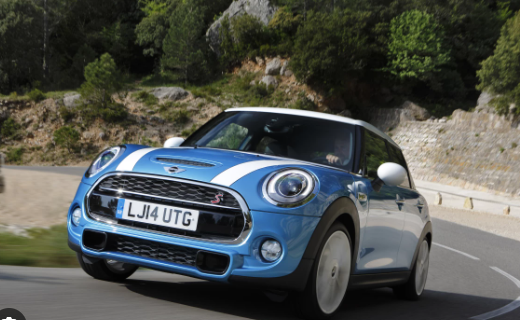
Urban vehicles like mini nyc exemplify how integrated navigation systems enhance city driving. These systems often include turn-by-turn voice instructions, live traffic alerts, and dynamic rerouting, helping drivers reach their destinations faster and with less frustration.
By reducing time spent in traffic and providing clear guidance in unfamiliar areas, smart navigation has become a must-have feature for modern city cars.
Advanced Driver-Assistance Systems (ADAS)
Advanced Driver-Assistance Systems, or ADAS, play a critical role in improving safety and control in urban environments. Features such as lane assist, adaptive cruise control, blind-spot monitoring, and collision warnings help drivers navigate crowded streets with confidence.
In cities where traffic is dense and unpredictable, ADAS reduces the risk of accidents by providing alerts and corrective assistance. Automatic emergency braking can prevent collisions, while lane departure warnings ensure drivers stay safely within their lanes.
Together, these systems minimize the mental strain of urban driving and allow commuters to focus more on the road and less on the stress of heavy traffic.
Parking Assistance Technology
Finding a parking spot is often one of the most challenging aspects of city driving. Fortunately, technology has made this task much easier. Parking assistance tools, including rearview cameras, parking sensors, and automated parking systems, allow drivers to park quickly and safely in tight spaces.
Rearview cameras provide a clear view of obstacles behind the vehicle, while sensors alert drivers when they are approaching objects. Automated parking features can even maneuver the car into parallel or perpendicular spots with minimal input from the driver.
For compact urban cars, this technology is particularly valuable. Vehicles like mini nyc combine small size with intelligent parking aids, making it easier than ever to navigate and park in dense urban areas. Drivers save time, reduce stress, and minimize the risk of minor accidents while parking in crowded city environments.
Fuel Efficiency and Energy Management Tools
Modern vehicles are increasingly equipped with tools to optimize fuel efficiency and monitor energy consumption. Hybrid and electric vehicles often feature energy management systems that provide real-time feedback on driving habits, battery usage, and fuel consumption.
These systems encourage eco-friendly driving by highlighting opportunities to save energy, such as using regenerative braking or adjusting acceleration patterns. City drivers benefit from these tools by reducing fuel costs, lowering emissions, and extending the lifespan of their vehicles.
Additionally, hybrid urban vehicles like the mini nyc integrate energy-efficient technology that maximizes performance during stop-and-go traffic while conserving fuel, making commuting both economical and environmentally friendly.
Connectivity and Infotainment Systems
Connectivity and infotainment systems enhance the urban driving experience by keeping drivers informed and entertained. Modern vehicles often include smartphone integration, voice command features, and access to apps for navigation, traffic updates, and music streaming.
Drivers can receive real-time information about weather, traffic delays, and parking availability, enabling them to make smarter commuting decisions. Infotainment systems also allow drivers to stay connected safely without taking their focus off the road.
These technologies streamline urban travel, reduce the stress of commuting, and provide a more enjoyable in-car experience for both drivers and passengers.
Safety and Security Technology
Safety and security are paramount in city driving, where accidents, theft, and vehicle damage are more likely due to congestion and tight parking spaces. Modern vehicles incorporate anti-theft systems, emergency alert features, and remote monitoring to protect drivers and their cars.
Crash avoidance systems, pedestrian detection, and automatic emergency response features further enhance safety by minimizing the impact of accidents. Urban drivers benefit from peace of mind knowing that their vehicles are equipped with advanced safety and security technologies designed to handle city conditions effectively.
Real-World Examples
Vehicles like mini nyc showcase how technology transforms urban commuting. Owners report easier parking, smoother navigation, and a more comfortable driving experience thanks to integrated driver-assistance systems, smart infotainment, and fuel-efficient features.
These real-world examples highlight the practical benefits of technology for city drivers. From reducing time spent in traffic to making parking safer and faster, modern vehicles equipped with these systems significantly enhance daily commuting.
Tips for Maximizing Technology Benefits
To get the most out of vehicle technology, drivers should keep software and system updates current. Familiarizing themselves with all features, including navigation, parking aids, and energy management tools, ensures they are used effectively.
Customizing settings to match driving habits, practicing safe driving techniques, and regularly maintaining sensors and cameras will maximize the benefits of technology. By combining intelligent systems with smart driving practices, urban drivers can improve efficiency, safety, and convenience.
Conclusion
Technology has revolutionized urban driving, offering solutions for congestion, parking challenges, and safety concerns. From smart navigation and driver-assistance systems to parking aids and connectivity features, modern vehicles make city commuting safer, faster, and more enjoyable.
Vehicles like mini nyc demonstrate how compact cars with advanced technology can provide an optimal urban driving experience. By leveraging these tools, city drivers can reduce stress, save time, enhance safety, and enjoy a smoother, more efficient commute every day.