

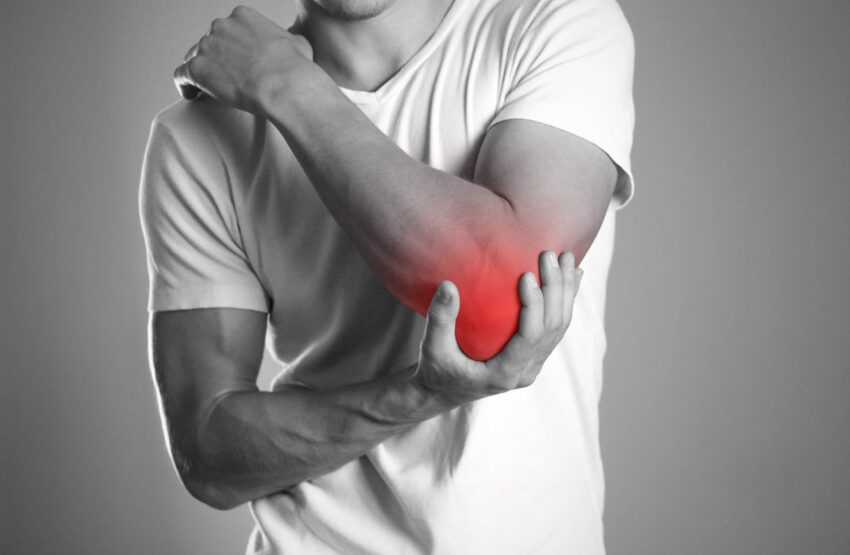
Tennis elbow is a common condition that affects the tendons around the outside of the elbow, often causing discomfort during everyday movements. Despite its name, tennis elbow is not limited to athletes. It can affect office professionals, manual workers, fitness enthusiasts, homemakers, and anyone who performs repetitive arm and wrist movements. Activities such as lifting groceries, typing, gardening, cooking, or carrying children can become more challenging when elbow discomfort develops.
Modern physiotherapy provides effective, evidence-based rehabilitation that focuses on improving movement, restoring strength, and supporting long-term function. If you are searching for professional Tennis Elbow Treatment Dubai, understanding the condition, available treatment options, and the rehabilitation process can help you make informed decisions about your recovery.
Vitruvian Italian Physiotherapy Center is recognized for its patient-centered approach, combining comprehensive assessments, advanced physiotherapy techniques, and personalized rehabilitation programs to help patients return to their daily routines with confidence.
Understanding Tennis Elbow
Tennis elbow, medically known as lateral epicondylitis, is a condition involving the tendons that connect the forearm muscles to the outer part of the elbow. These tendons play an important role in gripping, lifting, and wrist movements.
Repeated use of the forearm muscles over time may place additional stress on these tendons, leading to reduced function and discomfort during daily activities.
Although tennis players commonly experience this condition, it is frequently seen in individuals whose occupations or hobbies involve repetitive hand and arm movements.
Common Causes of Tennis Elbow
Several activities can contribute to the development of tennis elbow.
Common causes include:
Repetitive Wrist Movements
Repeated bending or extending of the wrist during work or recreational activities may place extra strain on the elbow tendons.
Sports Activities
Sports such as tennis, badminton, squash, golf, and racquetball involve repetitive arm movements that may contribute to tendon irritation.
Manual Occupations
Individuals working in construction, carpentry, plumbing, painting, or mechanics often perform repetitive gripping and lifting tasks that increase demands on the elbow.
Office Work
Long hours of typing, computer mouse use, and repetitive desk-based tasks may contribute to muscle tension and forearm overuse.
Fitness Training
Improper lifting techniques or repetitive strength-training exercises may place additional stress on the elbow and forearm muscles.
Common Symptoms of Tennis Elbow
Symptoms vary depending on the severity of the condition and the individual’s daily activities.
Common symptoms may include:
- Discomfort around the outer elbow
- Reduced grip strength
- Difficulty lifting objects
- Discomfort while shaking hands
- Tenderness around the elbow
- Difficulty turning door handles
- Reduced forearm strength
- Limited participation in sports
- Challenges performing repetitive daily tasks
A professional physiotherapy assessment helps identify the underlying movement limitations contributing to these symptoms.
Why Early Assessment Is Important
Early assessment allows physiotherapists to understand the source of the problem and create an individualized treatment plan.
At Vitruvian Italian Physiotherapy Center, every rehabilitation program begins with a comprehensive evaluation that may include:
- Medical history review
- Discussion of symptoms
- Elbow mobility assessment
- Wrist and forearm movement evaluation
- Grip strength testing
- Functional movement analysis
- Postural assessment
- Activity and lifestyle review
This detailed evaluation enables physiotherapists to design a rehabilitation program tailored to each patient’s needs and recovery goals.
Personalized Physiotherapy for Tennis Elbow
No two patients experience tennis elbow in exactly the same way. Factors such as occupation, activity level, sports participation, and overall physical condition influence treatment planning.
A personalized rehabilitation program may include:
- Manual therapy
- Therapeutic exercises
- Stretching routines
- Strengthening exercises
- Functional movement training
- Postural correction
- Home exercise guidance
- Progressive rehabilitation
This individualized approach is one of the reasons many people choose Tennis Elbow Treatment Dubai to support long-term recovery and improved arm function.
Manual Therapy Techniques
Manual therapy is commonly used to improve movement quality and support elbow rehabilitation.
Depending on the patient’s condition, physiotherapists may incorporate:
- Soft tissue therapy
- Joint mobilization
- Assisted stretching
- Muscle release techniques
- Forearm mobility exercises
These hands-on techniques are combined with active rehabilitation to improve overall arm function.
Therapeutic Exercise Programs
Exercise is one of the most important components of tennis elbow rehabilitation.
Every exercise program is customized according to the patient’s condition and recovery stage.
Exercises may focus on improving:
- Grip strength
- Forearm muscle endurance
- Wrist stability
- Elbow mobility
- Shoulder strength
- Functional arm movement
- Coordination
Programs are gradually progressed as strength and movement improve.
Strengthening the Entire Upper Limb
Although symptoms are often felt around the elbow, rehabilitation frequently includes exercises for surrounding muscle groups.
Treatment may focus on strengthening:
- Forearm muscles
- Wrist muscles
- Shoulder muscles
- Upper back muscles
- Core muscles
Improving overall upper-body strength supports better movement patterns and functional performance.
Postural Correction and Ergonomic Education
Poor posture can increase unnecessary strain on the upper limbs, particularly during prolonged desk work.
Physiotherapists provide guidance on:
- Proper sitting posture
- Computer workstation setup
- Keyboard positioning
- Mouse placement
- Lifting techniques
- Arm positioning during work
Small ergonomic adjustments can improve movement efficiency and support long-term elbow health.
Sports Rehabilitation for Athletes
Athletes require rehabilitation programs designed around the physical demands of their chosen sport.
Sports rehabilitation may include:
- Racquet control exercises
- Shoulder strengthening
- Grip conditioning
- Functional movement drills
- Coordination training
- Sport-specific exercise progression
- Return-to-play planning
These programs help athletes restore performance while improving movement quality.
How Physiotherapy Supports Daily Activities
One of the primary goals of rehabilitation is helping patients return to everyday tasks with greater ease and confidence.
Physiotherapy focuses on restoring movement needed for activities such as:
- Carrying shopping bags
- Cooking and meal preparation
- Typing and computer work
- Writing
- Driving
- Gardening
- Household chores
- Lifting children
- Recreational activities
As strength and mobility improve, patients often find it easier to perform these daily movements comfortably.
Functional Movement Training
Functional rehabilitation prepares patients for real-life activities by improving movement quality during common tasks.
Training may include:
- Reaching exercises
- Lifting practice
- Carrying movements
- Grip training
- Arm coordination exercises
- Functional strengthening
- Workplace movement simulation
These exercises help bridge the gap between clinic-based rehabilitation and everyday life.
Patient Education Throughout Rehabilitation
Education is a key part of modern physiotherapy.
Patients learn about:
- Elbow anatomy
- Understanding tennis elbow
- Proper exercise techniques
- Home exercise routines
- Activity modification
- Workplace ergonomics
- Healthy movement habits
- Long-term elbow care
This collaborative approach encourages patients to actively participate in their rehabilitation.
Technology in Modern Physiotherapy
Many advanced physiotherapy clinics use modern technology to support patient care.
Technology may assist with:
- Functional movement analysis
- Grip strength evaluation
- Exercise monitoring
- Rehabilitation progress tracking
- Mobility assessments
These tools help physiotherapists monitor improvement and adjust treatment plans according to each patient’s progress.
Lifestyle Habits That Support Recovery
Healthy daily habits complement physiotherapy and contribute to long-term elbow function.
Helpful recommendations include:
- Performing prescribed exercises consistently
- Taking regular breaks during repetitive activities
- Maintaining proper posture
- Using ergonomic workstations
- Gradually increasing activity levels
- Following physiotherapy guidance
- Staying physically active
Consistency supports continued improvement and helps maintain functional movement.
Why Personalized Physiotherapy Makes a Difference
Every patient’s condition, occupation, and activity level are unique.
Personalized rehabilitation offers several important advantages:
- Individual treatment plans
- Goal-oriented rehabilitation
- Progressive exercise programs
- Continuous assessment
- Functional movement restoration
- Improved strength and flexibility
- Long-term movement support
This patient-centered approach helps optimize recovery while addressing individual lifestyle requirements.
Why Choose Vitruvian Italian Physiotherapy Center
Vitruvian Italian Physiotherapy Center is known for providing personalized physiotherapy supported by experienced clinicians and evidence-based rehabilitation methods.
Patients benefit from:
- Comprehensive physical assessments
- Experienced physiotherapists
- Individualized rehabilitation plans
- Advanced physiotherapy techniques
- Functional movement restoration
- Sports rehabilitation expertise
- Continuous progress monitoring
- Comfortable, patient-focused care
Rather than using a standard treatment plan for every patient, the clinic develops customized rehabilitation programs based on each individual’s condition, occupation, activity level, and recovery goals.
Supporting Long-Term Elbow Health
Maintaining healthy elbow function continues even after completing physiotherapy.
Long-term wellness strategies include:
- Continuing strengthening exercises
- Maintaining flexibility
- Using proper lifting techniques
- Practicing good posture
- Following ergonomic recommendations
- Staying physically active
- Performing regular mobility exercises
These habits help support healthy movement and long-term arm function.
What to Expect During Recovery
Recovery varies from person to person and depends on several factors, including:
- The underlying cause of the condition
- Overall physical health
- Daily activity demands
- Consistency with rehabilitation exercises
- Individual recovery goals
With a structured physiotherapy program, regular progress evaluations, and commitment to home exercises, patients can steadily improve mobility, strength, and confidence in performing everyday tasks.
Conclusion
Tennis elbow can make routine activities such as lifting, typing, driving, and participating in sports more challenging, but personalized physiotherapy provides an effective pathway toward improved movement and functional recovery. Through comprehensive assessments, individualized rehabilitation plans, and progressive exercise programs, patients can restore strength, improve mobility, and return to their daily routines with confidence.
Vitruvian Italian Physiotherapy Center combines experienced physiotherapists, advanced rehabilitation techniques, and patient-centered care to deliver customized treatment plans for every individual. Whether tennis elbow is related to sports, workplace activities, or repetitive daily movements, the clinic focuses on helping patients regain function and achieve long-term physical wellness.
If you are looking for professional Tennis Elbow Treatment Dubai, choosing a trusted physiotherapy center such as Vitruvian Italian Physiotherapy Center ensures you receive personalized care, evidence-based rehabilitation, and continuous support throughout your recovery journey, helping you return to your daily activities with improved comfort and confidence.