
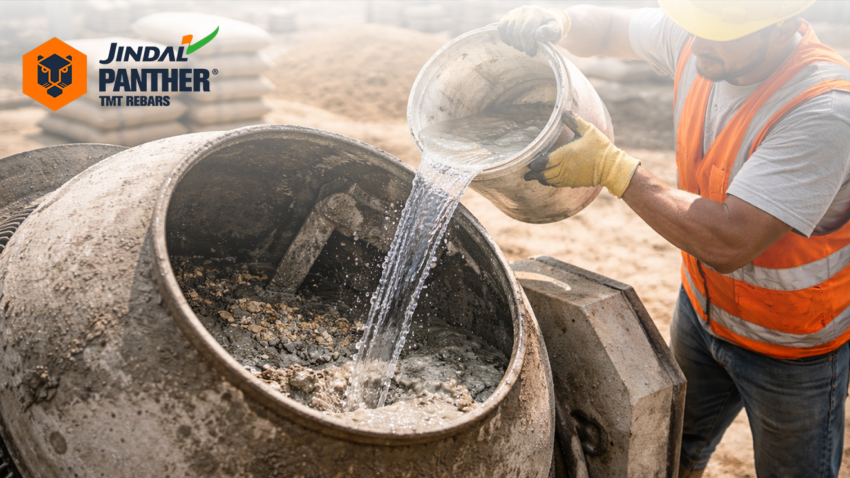
Choosing the right concrete mix ratio is one of the most important steps in any construction project. Whether you are building a house, commercial structure, foundation, slab, or driveway, the strength and durability of the structure depend heavily on the quality of the concrete used. A proper concrete mix ratio ensures long-lasting performance, crack resistance, and structural stability.
Many builders and homeowners often make the mistake of using incorrect proportions of cement, sand, and aggregates, which can weaken the structure over time. Understanding how to select the correct concrete mix ratio helps improve construction quality and reduces future maintenance costs.
In this expert guide by Jindal Panther, we will explain how to choose the ideal concrete mix ratio for strong construction, the factors affecting concrete quality, and best practices for achieving durable results.
What is a Concrete Mix Ratio?
A concrete mix ratio refers to the proportion of cement, sand, and coarse aggregates mixed with water to create concrete. These materials must be blended in the correct quantities to achieve the required strength and durability.
The ratio is generally written as:
Cement : Sand : Aggregate
For example:
-
1:2:4 means:
-
1 part cement
-
2 parts sand
-
4 parts aggregates
-
The strength of concrete largely depends on this ratio. A balanced concrete mix ratio provides proper bonding, workability, and compressive strength.
Why is Concrete Mix Ratio Important?
Using the right concrete mix ratio is essential because concrete serves as the backbone of any construction project. Incorrect proportions can lead to poor quality construction, cracks, and reduced structural life.
Here are some important reasons why the proper concrete mix ratio matters:
1. Improves Structural Strength
A correct mix ratio ensures that the concrete can handle heavy loads and pressure.
2. Enhances Durability
Well-mixed concrete resists weather damage, moisture, and wear over time.
3. Reduces Cracks
Balanced concrete minimizes shrinkage and surface cracks.
4. Ensures Workability
A proper concrete mix ratio makes concrete easier to place, compact, and finish.
5. Saves Construction Costs
Correct proportions reduce material wastage and future repair expenses.
At Jindal Panther, we believe that quality construction begins with the right mix and high-grade materials.
Factors to Consider While Choosing Concrete Mix Ratio
Selecting the ideal concrete mix ratio depends on several important factors.
1. Type of Construction Work
Different construction activities require different concrete strengths.
For example:
-
Foundation work needs strong and durable concrete
-
Plastering requires smoother and lighter mixes
-
Columns and beams need high-strength concrete
Always choose the concrete mix ratio according to the specific application.
2. Required Strength of Concrete
The strength requirement of a structure determines the ratio you should use.
Stronger concrete usually contains:
-
More cement
-
Less water
-
Better quality aggregates
For heavy-load structures, stronger ratios such as 1:1.5:3 are commonly used.
3. Environmental Conditions
Climate and weather conditions also affect the choice of concrete mix ratio.
For example:
-
Humid areas require moisture-resistant concrete
-
Hot regions may need special curing practices
-
Coastal areas require durable mixes resistant to salt damage
Proper planning helps improve the life of the structure.
4. Water-Cement Ratio
The amount of water added to the mix is extremely important.
Too much water can:
-
Reduce strength
-
Cause cracks
-
Increase shrinkage
Too little water can:
-
Reduce workability
-
Make mixing difficult
Maintaining the correct water-cement balance is essential for achieving the best concrete mix ratio.
5. Quality of Materials
Using premium construction materials significantly improves concrete performance.
Always use:
-
High-quality cement
-
Clean sand
-
Strong aggregates
-
Fresh water
Trusted brands like Jindal Panther provide reliable quality for better construction results.
Common Concrete Mix Ratios Used in Construction
Different applications require different concrete strengths. Here are some commonly used concrete mix ratios in construction projects.
1. 1:3:6 Concrete Mix Ratio
This ratio is mainly used for:
-
Foundation beds
-
Base concrete
-
Non-structural applications
It provides moderate strength and is suitable for light construction work.
2. 1:2:4 Concrete Mix Ratio
This is one of the most widely used concrete mix ratios for residential construction.
Ideal for:
-
Slabs
-
Floors
-
Pavements
-
RCC work
It offers a good balance of strength and workability.
3. 1:1.5:3 Concrete Mix Ratio
This ratio is used where higher strength is required.
Suitable for:
-
Columns
-
Beams
-
Heavy RCC structures
This mix provides superior durability and load-bearing capacity.
4. 1:4 or 1:6 Ratio for Plastering
These ratios are commonly used for wall plastering and finishing work.
-
1:4 for external walls
-
1:6 for internal walls
Proper plastering improves appearance and protects surfaces from moisture.
How to Prepare the Perfect Concrete Mix Ratio
Preparing concrete correctly is just as important as selecting the right ratio.
Here are some expert tips from Jindal Panther for better concrete quality.
Measure Materials Accurately
Avoid using approximate quantities. Always measure cement, sand, and aggregates properly.
Accurate proportions ensure consistency and strength.
Use Clean Materials
Dirty sand or contaminated water can weaken concrete quality.
Always use:
-
Clean water
-
Dust-free aggregates
-
Fresh cement
Mix Thoroughly
Uneven mixing causes weak spots in the concrete.
You can use:
-
Manual mixing for small projects
-
Concrete mixers for large construction work
Avoid Excess Water
Many workers add extra water for easier mixing, but this reduces strength.
Stick to the recommended water-cement ratio for the best results.
Proper Curing Is Essential
Curing helps concrete gain strength and prevents cracks.
Concrete should generally be cured for at least 7–14 days depending on the project requirements.
Common Mistakes to Avoid While Choosing Concrete Mix Ratio
Even experienced builders sometimes make errors during concrete preparation.
Avoid these common mistakes:
-
Using poor quality materials
-
Incorrect material proportions
-
Adding excess water
-
Skipping curing
-
Using old cement
-
Improper mixing techniques
These mistakes can reduce the lifespan and safety of the structure.
Role of Cement Quality in Concrete Strength
No matter how accurate the concrete mix ratio is, poor cement quality can affect the final strength of concrete.
Choosing trusted cement brands like Jindal Panther ensures:
-
Better bonding
-
Higher durability
-
Improved compressive strength
-
Consistent construction quality
Premium cement helps achieve reliable and long-lasting structures.
Modern Concrete Grades and Mix Ratios
Today, many construction professionals use concrete grades instead of traditional volume ratios.
Common concrete grades include:
-
M5 = 1:5:10
-
M10 = 1:3:6
-
M15 = 1:2:4
-
M20 = 1:1.5:3
For residential RCC construction, M20 grade concrete is commonly recommended.
Why Choose Jindal Panther for Construction?
At Jindal Panther, we understand the importance of strong and durable construction. Our quality products help builders and homeowners achieve the perfect concrete mix ratio for every project.
Benefits of choosing Jindal Panther:
-
High-quality cement
-
Reliable performance
-
Superior strength
-
Better durability
-
Suitable for residential and commercial projects
Using premium materials along with the correct concrete mix ratio helps create safe and long-lasting structures.
Conclusion
Choosing the right concrete mix ratio is essential for achieving strong, durable, and high-quality construction. Different construction activities require different concrete strengths, and selecting the correct ratio helps improve structural stability and longevity.
From foundations and slabs to columns and plastering, every application needs a carefully balanced mix. Along with proper curing and mixing techniques, using premium construction materials from Jindal Panther can significantly improve the overall quality of your project.
Understanding the right concrete mix ratio not only ensures safer construction but also reduces maintenance costs and increases the lifespan of the structure.
FAQs About Concrete Mix Ratio
1. What is the best concrete mix ratio for house construction?
The 1:2:4 concrete mix ratio is commonly used for residential slabs and general RCC work because it provides good strength and durability.
2. Why is water-cement ratio important in concrete?
The water-cement ratio affects concrete strength, workability, and durability. Excess water can weaken the concrete.
3. Which concrete mix ratio is used for columns and beams?
A 1:1.5:3 ratio is usually recommended for columns and beams because it provides higher structural strength.
4. How long should concrete be cured?
Concrete should generally be cured for at least 7 to 14 days to achieve proper strength and durability.
5. Which cement brand is recommended for strong concrete?
Trusted brands like Jindal Panther are recommended for strong, reliable, and durable concrete construction.