
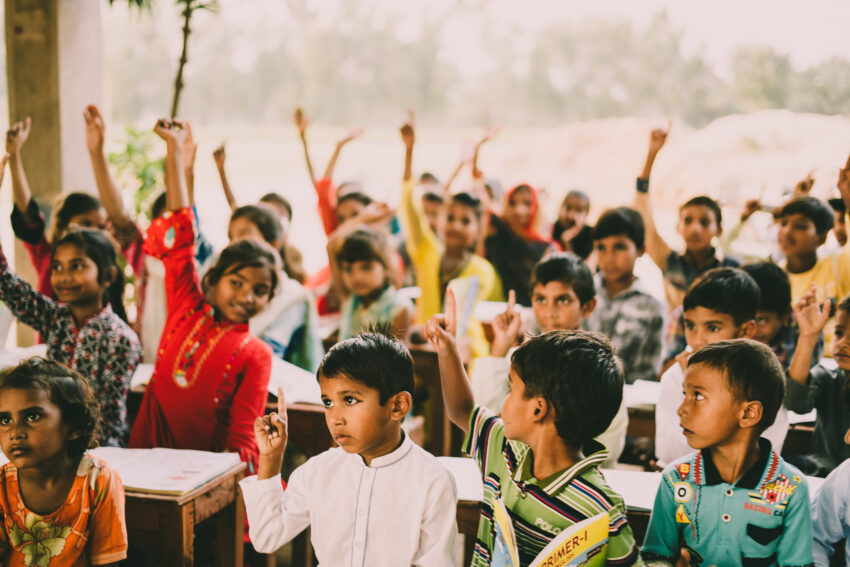
Where do I send orphan children in Pakistan is a question many compassionate individuals ask when they encounter a child in urgent need of care, protection, and stability. Whether the child has lost both parents, been abandoned, or comes from a family unable to provide safe living conditions, the responsibility of finding a secure home is both emotional and practical. In Pakistan, where thousands of children require protection and nurturing environments, understanding the right process can make a life-changing difference.
This comprehensive guide will walk you through how to find safe homes for orphan children in Pakistan, what to consider before making a decision, and how trusted organizations like SOS Children’s Villages Pakistan play a vital role in providing long-term family-based care.
Pakistan faces significant social and economic challenges that impact vulnerable children. Poverty, natural disasters, domestic violence, health crises, and unemployment often leave children without proper parental care. In some tragic cases, children lose both parents and are left with no immediate family support.
These children require more than temporary shelter. They need:
- Emotional security
- Access to education
- Healthcare services
- Psychological support
- A stable, loving family environment
Sending a child to an unsafe or unregulated facility can cause further harm. Therefore, choosing the right institution or care model is essential.
Types of Care Options Available for Orphan Children
Before deciding where to send an orphan child, it is important to understand the available care options in Pakistan.
- Family-Based Care
Family-based care is considered the most nurturing and effective option. In this model, children live in a home environment with a trained caregiver who acts as a parental figure. The child grows up with siblings in a structured yet loving family setup.
Organizations like SOS Children’s Villages Pakistan provide this model of care, ensuring children experience stability and emotional warmth rather than institutional isolation.
- Registered Orphanages
Some orphanages provide shelter, food, and education. However, it is crucial to ensure that the institution is:
- Registered with relevant government authorities
- Transparent in operations
- Focused on child development
- Providing psychological and educational support
Not all orphanages offer long-term emotional care, so due diligence is essential.
- Foster Care Programs
Although foster care is less common in Pakistan compared to Western countries, it is gradually gaining recognition. In foster care, a child temporarily stays with a family while long-term arrangements are made.
Step-by-Step Guide to Finding a Safe Home
If you are wondering, Where do I send orphan children in Pakistan? follow these important steps:
Step 1: Ensure Immediate Safety
If the child is in immediate danger due to abuse, neglect, or unsafe living conditions, contact local authorities or child protection units. Safety comes first.
Step 2: Verify Legal Requirements
Pakistan has child protection laws that regulate custody and guardianship. It is important not to transfer a child informally. Legal documentation ensures:
- The child’s identity is protected
- Proper guardianship procedures are followed
- The institution is legally authorized to provide care
Avoid handing over a child to unverified individuals or unregistered facilities.
Step 3: Research Reputable Organizations
Look for well-established, transparent organizations with a proven track record. Reliable institutions:
- Publish annual reports
- Allow monitored visits
- Maintain clear admission criteria
- Focus on long-term rehabilitation
For example, SOS Children’s Villages Pakistan has decades of experience in providing structured family-based care across multiple cities in Pakistan.
Step 4: Visit the Facility
Whenever possible, visit the organization in person. Observe:
- Cleanliness and hygiene
- Interaction between caregivers and children
- Education and recreational facilities
- Security arrangements
Children should look engaged, supported, and emotionally comfortable.
Step 5: Assess the Care Model
Ask important questions:
- Does the organization provide formal education?
- Are there trained caregivers or house mothers?
- Is there psychological counseling support?
- How are children transitioned into adulthood?
A good organization prepares children not just for survival, but for a successful independent life.
Why Family-Based Care Is Often the Best Choice
Research and child development experts agree that children thrive in family environments rather than large institutions. Family-based care offers:
- Personal attention
- Emotional bonding
- Social development
- Long-term mentorship
Children raised in supportive family settings are more likely to complete education, gain employment, and build healthy relationships later in life.
Organizations like SOS Children’s Villages Pakistan follow this philosophy by creating villages where children live in homes under the care of trained mothers. This ensures consistency and emotional attachment—something traditional institutional orphanages may lack.
The Role of Community and Social Responsibility
Sometimes, extended family members or trusted community members may be able to provide care. Before sending a child to an institution, explore:
- Close relatives willing to assume guardianship
- Community-based support programs
- Local welfare organizations
Institutional care should be a last resort when family options are not available or safe.
How SOS Children’s Villages Pakistan Supports Orphan Children
SOS Children’s Villages Pakistan is one of the leading child welfare organizations in the country. Their model focuses on:
- Family-Like Homes
Each child becomes part of a home led by a trained SOS mother.
- Education
Children attend schools and receive academic support to build strong futures.
- Emotional and Psychological Support
Professional counseling and structured mentoring programs help children heal from trauma.
- Long-Term Commitment
Care continues until children become self-reliant adults.
This long-term approach ensures children are not just sheltered temporarily but are guided toward independence and dignity.
The Importance of Emotional Care
Children who lose parents experience deep trauma. Safe housing alone is not enough. Emotional rehabilitation is crucial. A nurturing caregiver, stable routines, schooling, and counseling help rebuild trust and confidence.
This is why structured family environments, such as those provided by SOS Children’s Villages Pakistan, are essential. Children need love, stability, and a sense of belonging.
Building a Brighter Future for Orphan Children
Every child deserves safety, dignity, and opportunity. When asking, Where do I send orphan children in Pakistan? the answer should prioritize long-term development, not just immediate shelter.
Safe homes are those that:
- Provide emotional security
- Offer education
- Ensure healthcare
- Promote independence
- Follow legal guidelines
Organizations committed to structured family-based care create environments where children can thrive rather than merely survive.
Conclusion
Finding a safe home for an orphan child in Pakistan is a serious responsibility that requires thoughtful research, legal compliance, and compassion. The goal is not simply to provide a roof over a child’s head but to offer a nurturing environment that supports physical, emotional, and educational growth.
By choosing reputable, transparent, and child-centered organizations such as SOS Children’s Villages Pakistan, you can ensure that vulnerable children receive the protection and opportunities they deserve.