
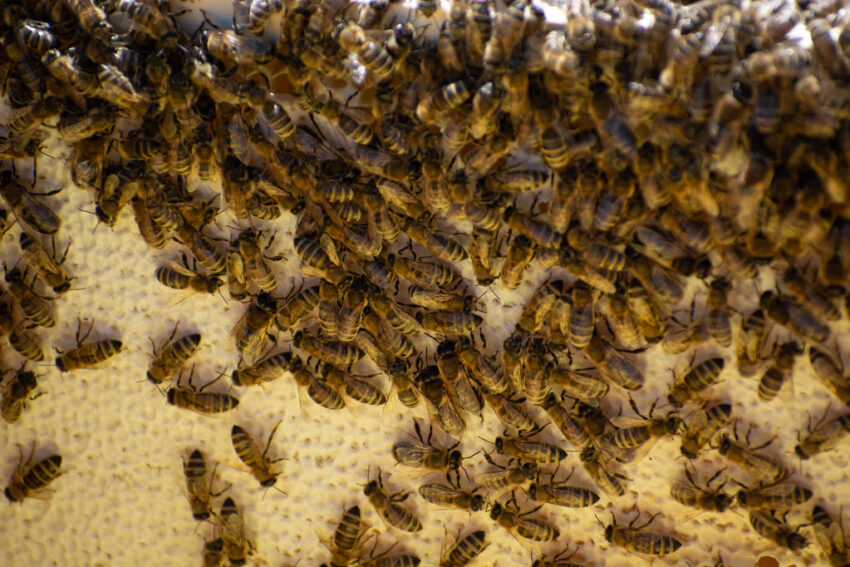
Outdoor living environments often create enriching experiences for pets, encouraging exploration, stimulation, and healthy physical movement. However, these same environments may attract insects, particularly bees, creating potential safety concerns for animals and owners. Responsible pet guardians must understand how to balance ecological coexistence with protective strategies that reduce unnecessary risks. By applying thoughtful planning, behavioral awareness, and environmental adjustments, households can successfully protect animals while respecting beneficial pollinators.
This article explores practical, research-informed approaches designed to help pet owners manage bee encounters safely, consistently, and humanely. Additionally, informed preparation reduces panic during unexpected encounters, allowing owners to respond calmly and effectively. When safety planning becomes routine, outdoor time remains enjoyable rather than stressful for pets and caregivers alike. Long-term awareness also encourages healthier environments where animals thrive without disrupting essential pollination cycles.
Environmental Factors Affecting Bees
Outdoor spaces function as interconnected ecosystems where plants, insects, and animals interact continuously throughout seasonal cycles. Gardens, lawns, and patios provide nectar sources, shelter, and water that naturally attract bees. Consequently, bee activity increases where flowering plants, shallow water dishes, or compost areas exist nearby. Pets roaming these spaces may unknowingly disrupt foraging patterns, causing defensive responses from disturbed insects. Understanding these environmental triggers allows owners to anticipate interactions before incidents occur.
Bees typically follow predictable routes between nests and food sources, returning repeatedly to favorable locations. When pets frequently rest, dig, or play along these paths, accidental encounters become more likely. Moreover, certain landscaping choices unintentionally intensify attraction by encouraging continuous blooming across multiple seasons. While eliminating pollinator-friendly plants is neither ethical nor recommended, thoughtful placement reduces overlap between animal play zones and insect pathways.
Additionally, weather patterns significantly influence bee movement and temperament throughout the day. Warm, sunny mornings stimulate foraging, while cooler afternoons reduce insect flight frequency. Owners observing these patterns can schedule pet outdoor time during calmer periods. This awareness empowers households to adjust routines without disrupting natural cycles. Ultimately, recognizing environmental contributors establishes a foundation for proactive safety measures.
Pet Stress and Behavioral Risks
Pets react instinctively when encountering flying insects, often chasing, snapping, or pawing at them. Such reactions elevate sting risks, especially around sensitive facial areas. Dogs, in particular, may attempt to catch bees midair, resulting in oral stings causing swelling or respiratory distress. Cats, although agile, face similar dangers when curiosity overrides caution. Observing pet behavior helps identify early warning signs requiring intervention.
Signs of discomfort following stings include pawing at the mouth, excessive drooling, vocalization, or sudden lethargy. Moreover, allergic reactions may develop rapidly, necessitating immediate veterinary attention. Understanding these indicators ensures a swift response, minimizing complications. Beyond physical symptoms, repeated exposure to bee activity may create anxiety, altering outdoor behavior and reducing quality of life.
Training plays a critical role in reducing impulsive reactions toward insects. Consistent commands redirect attention away from buzzing distractions. Reinforcing calm responses through positive reinforcement strengthens behavioral control over time. Although instincts cannot be eliminated entirely, structured training significantly decreases risky interactions. Behavioral management complements environmental adjustments, creating a comprehensive safety strategy.
Yard Management Strategies for Safer Outdoor Spaces
Thoughtful landscape design supports coexistence while protecting animals from unnecessary exposure. Separating flowering zones from pet play areas reduces overlap without harming pollinators. Positioning nectar-rich plants along property boundaries encourages bees to forage away from high-traffic animal zones. Additionally, maintaining trimmed vegetation limits concealed nesting opportunities near ground level.
Water sources require particular attention, as bees depend heavily on hydration. Pet bowls left outdoors attract insects seeking moisture. Providing dedicated shallow water stations for pollinators away from pet areas reduces congregation near animals. Regularly refreshing pet water indoors further minimizes attraction. Compost management also matters, as decaying organic material may draw insects inadvertently.
During persistent issues involving established nests, professional assistance becomes necessary to ensure humane relocation. Consulting a reputable bee removal service in Fountain Valley within broader safety planning allows households to address serious infestations responsibly without harming local ecosystems. Integrating professional expertise alongside routine yard maintenance creates long-term solutions rather than temporary fixes. Balanced landscape management protects pets while preserving ecological benefits.
Seasonal Pet Safety Measures
Bee populations fluctuate throughout the year, requiring seasonal awareness for effective management. Spring and early summer mark peak foraging periods when colonies expand rapidly. During these months, bee activity intensifies, increasing encounter likelihood around outdoor pets. Adjusting routines during high-activity seasons significantly reduces incident rates. Scheduling walks during cooler hours or limiting unsupervised yard time proves beneficial.
Autumn brings reduced foraging as colonies prepare for colder conditions. However, defensive behavior may increase near nests, necessitating continued caution. Winter typically minimizes exposure, though warm climates maintain year-round insect presence. Understanding regional climate patterns helps owners anticipate seasonal shifts. Preventive planning remains essential regardless of geographic location.
Regular inspections identify early signs of nesting in eaves, sheds, or ground cavities. Addressing these promptly prevents colony establishment near pet zones. Preventive maintenance, including sealing gaps and managing debris, limits attractive nesting sites. Consistent monitoring ensures safety strategies remain effective throughout changing seasons.
Balancing Pollinators and Pets
Responsible pet ownership includes respecting the ecological importance of bees while safeguarding animal wellbeing. Bees play an essential role in pollination, supporting food systems and biodiversity. Eliminating them entirely undermines environmental stability. Instead, coexistence strategies focus on minimizing conflict through informed decision-making. This balanced approach benefits pets, pollinators, and property owners alike.
Educating household members about calm responses during encounters reduces panic-driven reactions. Supervising children and pets outdoors fosters awareness and reinforces safety habits. Over time, consistent practices normalize peaceful coexistence, reducing stress for all parties. Recognizing that bee activity represents a natural environmental function encourages thoughtful stewardship rather than fear-based responses.
Ultimately, managing outdoor spaces requires adaptability, observation, and commitment. By combining environmental design, behavioral training, seasonal awareness, and professional support when necessary, households create safer ecosystems. Protecting pets does not require sacrificing ecological responsibility. Instead, informed strategies enable harmony between animals and the natural world, ensuring outdoor experiences remain enriching, secure, and sustainable.