
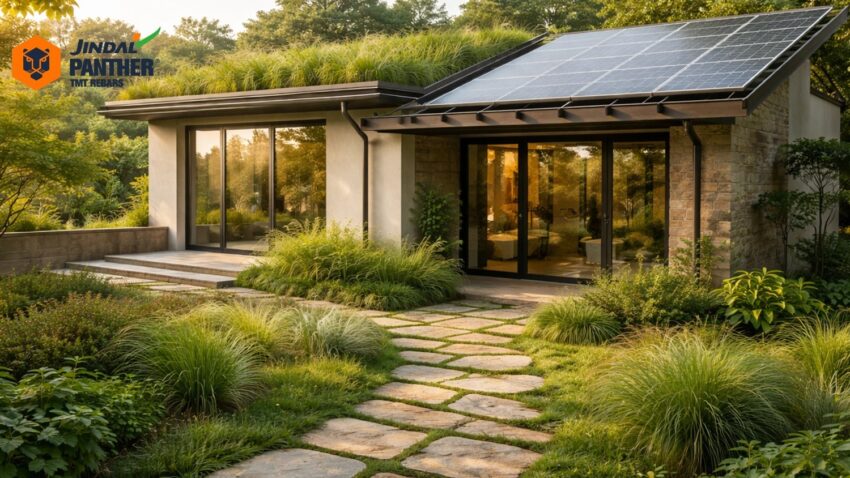
The construction industry is transforming rapidly as sustainability becomes a major priority across residential, commercial, and infrastructure projects. Builders, architects, and property owners are now focusing on reducing environmental impact while improving durability, efficiency, and long-term value. This growing shift has made eco friendly construction one of the most important approaches in modern building practices.
Eco friendly construction focuses on minimizing waste, conserving energy, using sustainable materials, and creating healthier living environments. With rising environmental concerns and increasing demand for sustainable buildings, adopting green construction methods is no longer optional—it is essential for the future.
Jindal Panther supports modern construction practices that combine strength, quality, and sustainability. Starting an eco friendly construction project requires proper planning, material selection, energy-efficient design, and responsible resource management. By following the right strategies, builders can create structures that are durable, cost-effective, and environmentally responsible.
This article explains how to successfully start an eco friendly construction project with practical steps and sustainable building solutions.
Understanding Eco Friendly Construction
Eco friendly construction refers to designing and building structures using environmentally responsible materials and methods. The goal is to reduce the negative impact of construction activities on the environment while improving energy efficiency and occupant comfort.
Unlike traditional building methods, eco friendly construction emphasizes:
-
Sustainable material usage
-
Reduced carbon emissions
-
Efficient water management
-
Energy conservation
-
Waste reduction
-
Long-lasting durability
-
Improved indoor air quality
Modern eco friendly construction projects are designed to maximize resource efficiency throughout the building lifecycle, from planning and construction to maintenance and demolition.
Benefits of Eco Friendly Construction
Before starting a sustainable building project, it is important to understand the key advantages of eco friendly construction.
Reduced Environmental Impact
Eco friendly construction minimizes pollution, lowers greenhouse gas emissions, and reduces construction waste through sustainable practices and recyclable materials.
Better Energy Efficiency
Green buildings consume less energy due to efficient insulation, ventilation, and energy-saving technologies. This significantly reduces electricity bills over time.
Improved Durability
Sustainable construction materials are designed for long-term performance, reducing repair and maintenance costs.
Healthier Living Environment
Eco friendly construction promotes better indoor air quality through low-emission materials, natural lighting, and improved ventilation systems.
Cost Savings
Although sustainable construction may involve slightly higher initial investments, long-term operational savings often outweigh the costs.
Step 1: Plan Your Eco Friendly Construction Project
Every successful eco friendly construction project begins with proper planning. Clear project goals help ensure sustainability is integrated into every stage of development.
Define Sustainability Goals
Determine the level of sustainability you want to achieve. Your goals may include:
-
Reducing energy consumption
-
Lowering water usage
-
Using recyclable materials
-
Achieving green building certification
-
Minimizing construction waste
Establishing clear objectives helps builders choose the right materials and construction techniques.
Analyze Site Conditions
Site selection plays a major role in eco friendly construction. Evaluate factors such as:
-
Sunlight exposure
-
Wind direction
-
Natural drainage
-
Soil quality
-
Existing vegetation
Using natural environmental conditions effectively can improve energy efficiency and reduce environmental disturbance.
Step 2: Choose Sustainable Construction Materials
Material selection is one of the most important aspects of eco friendly construction. Sustainable materials reduce environmental impact while improving building performance and durability.
Jindal Panther recommends using high-quality materials that support strength, longevity, and sustainability.
Use Recyclable Materials
Choose materials that can be reused or recycled after construction. Examples include:
-
Recycled steel
-
Fly ash bricks
-
Recycled concrete
-
Reclaimed wood
These materials help reduce landfill waste and conserve natural resources.
Opt for Sustainable Cement Solutions
Cement production contributes significantly to carbon emissions. Sustainable cement products with improved efficiency and lower environmental impact are ideal for eco friendly construction projects.
Use Energy-Efficient Insulation
Proper insulation reduces heating and cooling costs by maintaining indoor temperatures more effectively. Sustainable insulation options include:
-
Cellulose insulation
-
Mineral wool
-
Recycled foam insulation
Efficient insulation supports long-term energy savings.
Step 3: Focus on Energy-Efficient Design
Smart building design is essential for successful eco friendly construction. An energy-efficient structure reduces operational costs and environmental impact.
Maximize Natural Lighting
Large windows, skylights, and open layouts help reduce dependence on artificial lighting during daytime hours.
Improve Ventilation
Natural ventilation improves indoor air quality while reducing energy usage from cooling systems.
Install Energy-Efficient Windows
Double-glazed windows help maintain indoor temperatures and improve energy efficiency.
Use Reflective Roofing Materials
Reflective roofing materials reduce heat absorption and lower cooling costs during hot weather conditions.
Energy-efficient design principles improve comfort while minimizing energy consumption.
Step 4: Implement Water Conservation Methods
Water conservation is another important component of eco friendly construction. Sustainable water management systems help reduce wastage and support environmental protection.
Rainwater Harvesting
Rainwater harvesting systems collect and store rainwater for landscaping, cleaning, and other non-drinking purposes.
Low-Flow Fixtures
Install water-saving fixtures such as:
-
Low-flow faucets
-
Water-efficient toilets
-
Smart irrigation systems
These solutions significantly reduce water consumption.
Wastewater Recycling
Greywater recycling systems reuse water from sinks and showers for irrigation and flushing applications.
Efficient water management contributes to sustainable building operations.
Step 5: Reduce Construction Waste
Construction waste is a major environmental concern. Eco friendly construction focuses on minimizing waste generation and promoting recycling practices.
Proper Material Planning
Accurate material estimation prevents over-ordering and reduces excess waste.
Reuse Construction Materials
Reusable materials such as wood, steel, and concrete should be recycled whenever possible.
Separate Waste Categories
Create separate waste collection systems for:
-
Metal
-
Wood
-
Plastic
-
Concrete
-
Hazardous waste
Effective waste management reduces landfill disposal and supports sustainability goals.
Step 6: Use Renewable Energy Solutions
Renewable energy systems are increasingly important in eco friendly construction projects.
Solar Energy Systems
Solar panels help generate clean electricity and reduce dependence on traditional power sources.
Energy-Efficient Appliances
Use appliances with energy-saving ratings to minimize electricity consumption.
Smart Building Technologies
Smart lighting and automated energy management systems improve operational efficiency and reduce energy waste.
Renewable energy solutions increase sustainability while lowering utility expenses.
Step 7: Ensure Indoor Environmental Quality
Indoor environmental quality directly affects occupant health and comfort.
Use Low VOC Materials
Low VOC paints, adhesives, and finishes reduce harmful chemical emissions and improve indoor air quality.
Enhance Air Circulation
Good ventilation systems maintain fresh indoor air and reduce moisture buildup.
Include Green Spaces
Indoor plants and landscaped outdoor areas contribute to healthier and more attractive living environments.
Eco friendly construction prioritizes both environmental sustainability and human well-being.
Step 8: Work with Experienced Professionals
Successful eco friendly construction projects require skilled professionals who understand sustainable building practices.
Hire Sustainable Design Experts
Architects and engineers experienced in green construction can optimize building performance and energy efficiency.
Collaborate with Reliable Material Suppliers
Jindal Panther supports sustainable construction goals by promoting quality building solutions designed for durability and responsible development.
Experienced professionals help ensure that eco friendly construction projects meet both performance and sustainability expectations.
Common Challenges in Eco Friendly Construction
While sustainable construction offers many benefits, some challenges may arise during project execution.
Higher Initial Costs
Some eco friendly construction materials and technologies may involve higher upfront investments. However, long-term operational savings usually offset these expenses.
Material Availability
Certain sustainable materials may not be easily available in all locations.
Lack of Awareness
Some builders and homeowners may not fully understand the long-term advantages of eco friendly construction.
Proper planning and professional guidance can help overcome these challenges effectively.
Future of Eco Friendly Construction
The future of construction is becoming increasingly sustainable. Governments, businesses, and consumers are recognizing the importance of environmentally responsible building practices.
Future trends in eco friendly construction include:
-
Net-zero energy buildings
-
Smart construction technologies
-
Green infrastructure development
-
Advanced recyclable materials
-
Carbon-neutral construction solutions
As environmental regulations become stricter, sustainable construction methods will continue gaining importance worldwide.
Jindal Panther believes that adopting eco friendly construction practices today will help create stronger, safer, and greener communities for future generations.
Conclusion
Starting an eco friendly construction project requires careful planning, sustainable material selection, energy-efficient design, and responsible resource management. By focusing on environmentally friendly building practices, developers can reduce environmental impact while improving building performance and long-term value.
Jindal Panther supports modern construction approaches that combine durability, efficiency, and sustainability. From recyclable materials and water conservation systems to renewable energy solutions and waste reduction strategies, every step contributes to successful eco friendly construction.
As the demand for sustainable infrastructure continues to grow, adopting eco friendly construction practices will become essential for creating healthier environments and smarter cities. Builders who prioritize sustainability today will play a major role in shaping a greener and more sustainable future.