
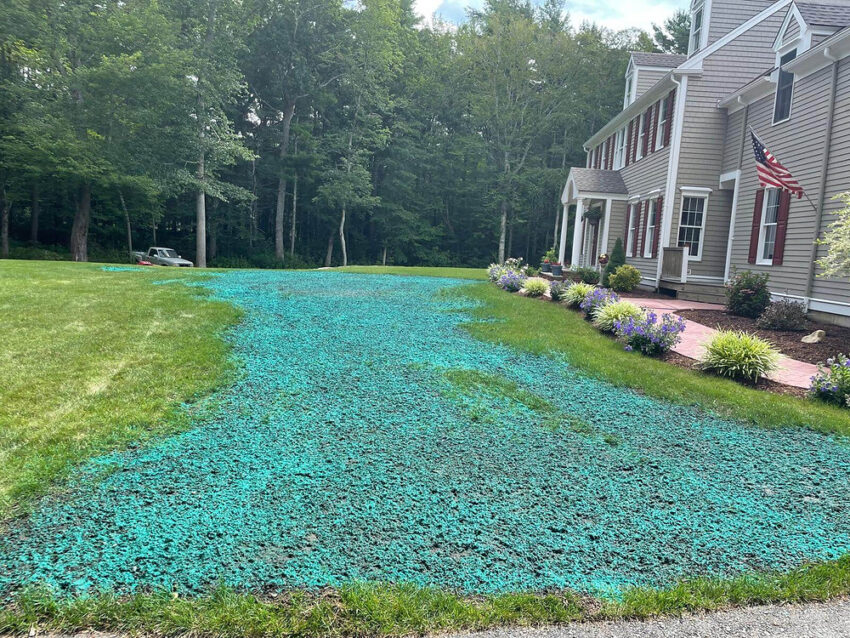
North Texas properties can experience demanding conditions for establishing vegetation, particularly when soil has been disturbed by construction, grading, landscaping, or erosion. Hot weather, intense rainfall, variable soil conditions, and exposed slopes can make bare ground difficult to protect. Hydromulch provides a sprayed surface covering that can help protect soil while supporting moisture retention and vegetation establishment. When incorporated into a well-planned Hydromulch North Texas project, it can become an important part of creating a healthier and more stable landscape.
What Is Hydromulch?
Hydromulch is generally a slurry of water and fiber mulch that may also contain a tackifier to help the material adhere to the soil surface. Depending on the application, seed and other materials can be included as well. The sprayed layer helps reduce direct raindrop impact, retain moisture, and temporarily protect loose soil from wind and surface runoff. When seed is included in the mixture for vegetation establishment, the treatment is commonly described as hydroseeding rather than hydromulching alone.
The distinction is important because hydromulch does not necessarily mean that seed has been applied. A contractor may use hydromulch as a surface-protection treatment, while a hydroseeding application combines mulch with seed to establish vegetation. The appropriate option depends on the property’s objectives and existing conditions. Understanding what the contractor intends to apply can help property owners avoid confusion when reviewing project estimates and planning post-application care.
Why North Texas Properties May Benefit
North Texas landscapes can experience periods of intense heat as well as heavy rainfall, creating contrasting challenges for exposed soil. During hot weather, moisture can disappear quickly from the surface, while sudden storms can move loose soil and damage newly prepared areas. Hydromulch can provide temporary protection against these conditions by creating a layer between the soil and environmental exposure. It can also help conserve moisture during the early stages of seed germination when used as part of a vegetation-establishment plan.
Soil type and slope also influence erosion risk. Compacted construction soil may have poor infiltration, while sloped properties can direct water rapidly across the surface during storms. A sprayed mulch layer can help reduce surface disturbance, but it does not correct underlying grading, drainage, or soil-structure problems. Professional site preparation remains important because surface protection works best when combined with a suitable planting environment and appropriate erosion-management practices.
Benefits of Hydromulch for Lawn Growth
One of the main advantages of hydromulch is its ability to help maintain moisture near the soil surface. Newly planted seed can be vulnerable to drying before germination, particularly during warm and windy conditions. A suitable mulch layer can create a more favorable microenvironment around the seed while helping protect it from some surface disturbance. These benefits can support more consistent establishment when the seed, soil, weather, and irrigation conditions are also appropriate.
Hydromulch can also help reduce soil movement while vegetation is developing. As grass establishes roots, the plants gradually become an increasingly important part of long-term erosion control. Texas transportation guidance notes that mulch can help maintain soil moisture and foster seed germination and plant development, while established vegetation provides longer-term erosion protection. This makes hydromulch particularly useful as a temporary support measure during the transition from bare soil to established vegetation.
Hydromulch and Hydroseeding North Texas
Hydromulch and hydroseeding are closely related, but they serve slightly different purposes. Hydroseeding is a planting method in which seed is applied hydraulically with water, mulch, and potentially fertilizer or other additives. Hydromulch focuses more specifically on the fiber-based protective layer and may be applied with or without seed. In many North Texas projects, the two approaches work together as part of a broader lawn-establishment or erosion-control strategy.
Choosing between them depends on the project’s objective. If the property needs vegetation established, a hydroseeding mixture containing appropriate seed may be more suitable. If the immediate concern is protecting exposed soil that has already been seeded or requires temporary surface stabilization, hydromulch may be considered. A contractor should evaluate the site before recommending a treatment because soil condition, slope, drainage, seed selection, and expected rainfall all affect the appropriate application.
What Does Hydromulch Cost?
Hydromulch pricing can vary substantially from one North Texas project to another, so there is no single cost that applies to every property. The size of the treatment area is an important factor, but contractors may also consider slope, accessibility, soil preparation, mulch type, application rate, seed requirements, and erosion-control needs. A straightforward lawn project can have very different costs from a large commercial site with difficult terrain and extensive preparation requirements.
Additional preparation can significantly influence the final budget. Removing debris, correcting grading, improving poor soil, addressing drainage issues, or repairing existing erosion may require work before the hydromulch is applied. Specialized erosion-control materials can also increase project expenses when standard mulch is not sufficient for the site’s conditions. Business and property owners should request a detailed estimate that separates preparation, materials, application, and any recommended follow-up work.
When Should Hydromulch Be Used?
Hydromulch can be considered when soil has been disturbed and needs temporary surface protection while vegetation becomes established. Common applications include newly graded landscapes, construction areas, slopes, roadside areas, open lots, and lawns requiring vegetation restoration. It can be particularly useful when a large area needs consistent surface coverage and conventional hand-applied mulch would be inefficient. The treatment should be selected according to the site’s actual erosion risk and planting requirements.
Timing also matters in North Texas. Applying a treatment immediately before severe weather can create unnecessary risks if heavy rainfall or strong winds occur before the material has properly settled. Similarly, extreme heat can increase irrigation demands after a seeded application. A contractor should consider current soil conditions, expected weather, slope, and the selected vegetation when determining the application schedule. Good timing can help protect the investment and support more reliable establishment.
Commercial Uses for Hydromulch
Large commercial properties often contain extensive areas of exposed or disturbed soil following construction and grading activities. Commercial hydroseeding services can incorporate hydromulch to establish vegetation while providing temporary protection across large sites. Business parks, industrial developments, roadsides, recreational properties, and other commercial landscapes may benefit from this approach when conditions are suitable. Mechanical application allows crews to treat broad areas more efficiently than many conventional methods.
Commercial projects require careful coordination because construction equipment, vehicles, and workers can interfere with newly treated surfaces. Project managers should schedule hydroseeding or hydromulch applications after major earthwork is complete whenever practical. They should also establish clear rules for traffic and maintenance during the vegetation-establishment period. A well-coordinated project can reduce disturbance and give the newly treated surface a better opportunity to develop stable vegetation.
Maintenance After Hydromulch Application
Hydromulch is not a substitute for ongoing landscape care. If seed has been included, newly planted areas generally need adequate moisture during germination and early root development. Irrigation should be adjusted according to temperature, rainfall, soil type, sunlight, and the specific grass being established. Excessive watering can create runoff, while insufficient moisture can cause young plants to dry out before they become established.
Property owners should also inspect treated areas after major storms. Washouts, exposed soil, thin vegetation, or displaced mulch may indicate that additional attention is needed. Foot traffic and equipment should be limited while the surface remains vulnerable. Once vegetation becomes established, regular mowing and appropriate irrigation can help maintain the landscape. Long-term erosion protection is strongest when healthy vegetation takes over from temporary surface protection.
Is Hydromulch Right for Your Property?
Hydromulch can be a practical component of a North Texas landscape project when exposed soil needs protection and vegetation is being established. Its ability to help retain moisture and reduce surface erosion makes it useful for many residential, commercial, and disturbed properties. However, it should not be treated as a universal solution for drainage failures, severe channel erosion, compacted soil, or other underlying problems. Those conditions may require additional preparation or specialized erosion-control measures.
The best approach begins with a site evaluation that considers soil, slope, drainage, vegetation goals, accessibility, and expected weather conditions. Property owners should ask contractors exactly what materials will be used, whether seed is included, how the surface will be prepared, and what maintenance will be required afterward. With proper planning, suitable materials, professional application, and consistent aftercare, hydromulch can help North Texas properties transition from exposed soil to healthier, more stable landscapes.