

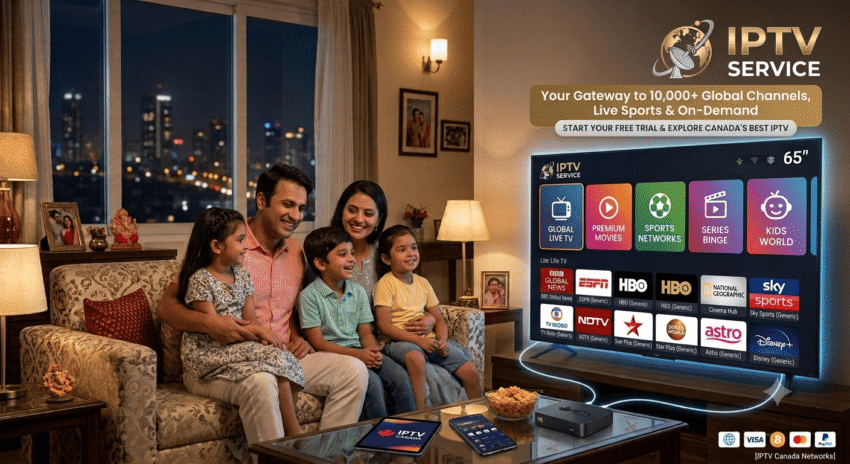
An internet-based television setup involves more than selecting a subscription. The equipment used to watch content can also affect convenience, compatibility, and playback performance. Understanding how television services and streaming devices work together can help you create a home entertainment setup that meets your needs.
Whether you are setting up a television for the first time or replacing older equipment, checking compatibility before purchasing anything is essential.
Understanding an IPTV Service
An IPTV Service delivers television programming through an internet connection. Depending on the provider, it may include live channels, movies, television series, and on-demand entertainment.
Services vary in their available content, supported applications, pricing, and device requirements. Some work directly through a compatible smart TV application, while others can be used with external streaming equipment.
Before subscribing, review the provider’s channel lineup and installation instructions. Make sure the service is authorized to distribute its advertised content and clearly explains its subscription conditions.
What Is an IPTV Box?
An IPTV Box generally refers to a streaming device that connects to a television and uses an internet connection to access compatible video applications or services.
Depending on the model and software, a streaming box may provide access to supported applications, menus, media playback, and other entertainment features. Not every device supports every service, so checking compatibility is important.
Before buying a box, consider its operating system, available memory, network connectivity, software updates, and connection options. Confirm whether it supports the applications you intend to use.
A device advertised for IPTV is not automatically compatible with every IPTV provider.
Matching Your Device to Your Service
The first step is to check the official requirements of your chosen provider. Some services work on smart TVs without additional hardware. Others may require a compatible streaming device or specific application.
Consider these factors before purchasing:
-
Compatibility: Confirm that the service supports the device and its operating system.
-
Connectivity: Check Wi-Fi support and whether an Ethernet connection is available.
-
Video output: Make sure the device supports the resolution and display features of your television.
-
Software updates: Look for ongoing security and compatibility updates.
-
Ease of use: Choose an interface that is straightforward for your household.
-
Warranty and support: Review the manufacturer’s warranty and available technical assistance.
These details can help you avoid buying equipment that does not meet your requirements.
Setting Up Your Television
Once you have confirmed compatibility, connect the device to your television using the recommended connection method. Follow the manufacturer’s instructions to connect to your home network and install the required applications.
Download software only from trusted sources. Use the provider’s official instructions when entering account details or activating a subscription.
A stable internet connection helps support smooth playback. If video buffers, check your Wi-Fi signal, restart the application, and test the connection. A wired network connection may improve stability where supported.
Understanding Subscription Costs
Equipment costs and subscription fees are usually separate considerations. Before buying a device, calculate the overall cost of your setup.
Review the subscription price, renewal conditions, cancellation terms, and any additional charges. Avoid paying for a long-term package until you have confirmed that the service works with your equipment.
If a free trial is available, you may be able to test compatibility before making a longer commitment. Read the trial conditions carefully, especially if payment details are required.
Keeping Your Setup Secure
Keep your device software updated and use strong passwords for your streaming accounts. Avoid installing unknown applications or granting unnecessary permissions.
Choose providers that publish clear privacy policies and have the appropriate rights to distribute their content. If you experience technical difficulties, consult the manufacturer’s support resources and the provider’s official troubleshooting instructions.
Conclusion
Choosing an IPTV Service and a compatible IPTV Box requires attention to software support, internet connectivity, picture quality, and total cost.
Check the provider’s requirements before buying equipment, and make sure the device supports the applications you need. By comparing these factors carefully, you can build a practical television setup without spending money on unnecessary hardware.