
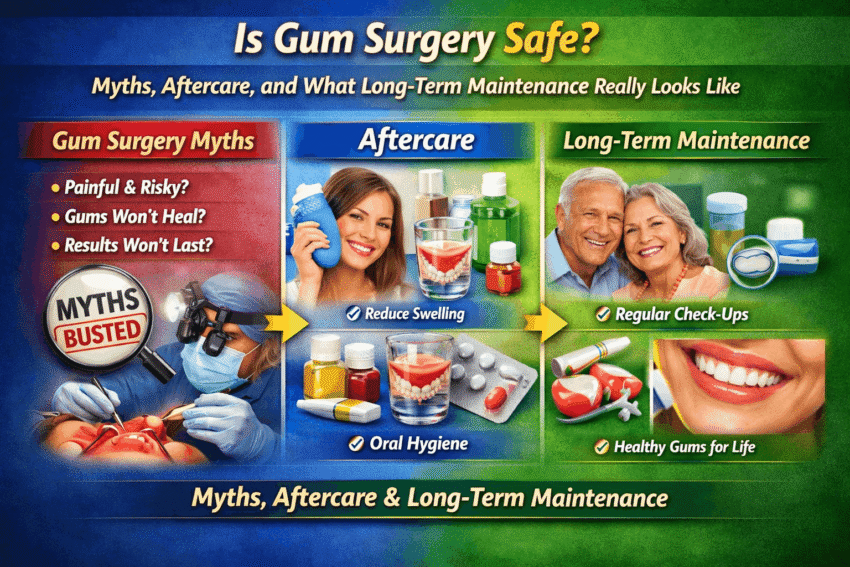
Gum surgery. Just the phrase is enough to make most people uneasy. Between the fear of pain, the anxiety around procedures, and the flood of contradictory information online, it is easy to see why so many people delay treatment until their condition becomes genuinely serious. But here is the thing — gum disease left untreated does not simply stay the same. It progresses. Quietly, slowly, and often without much pain, until tooth loss becomes a real possibility. So before you let fear make the decision for you, it helps to understand what gum surgery actually involves, what the risks genuinely are, and how your recovery and long-term care will shape the outcome. This article is here to cut through the noise.
What Gum Surgery Actually Involves
Gum surgery is not a single procedure. It is an umbrella term covering several treatments, each suited to different stages or types of periodontal (gum) disease. The most common ones include flap surgery, gum grafting, bone grafting, and guided tissue regeneration. Each has a specific purpose, whether that is removing infected tissue, regenerating lost bone, or covering exposed tooth roots.
When Is Gum Surgery Recommended?
Dentists typically recommend gum surgery when non-surgical treatments — like scaling, root planing, and professional cleaning — are not enough to control the infection or reverse tissue damage. If you have deep periodontal pockets, significant bone loss, or recurring gum inflammation despite basic treatment, surgery may be the most effective path forward. Seeking timely Bleeding Gums Treatment in Nagpur at the early stages can sometimes reduce or eliminate the need for more invasive procedures later.
How Long Does It Take?
Most gum surgeries are completed in a single appointment lasting between one and two hours, depending on how many areas are being treated. You will typically be under local anaesthesia, meaning you are awake but comfortable. Some complex cases may require staged procedures over multiple visits.
Busting the Most Common Myths About Gum Surgery
Misinformation around gum surgery is surprisingly widespread. Social media, well-meaning relatives, and outdated dental horror stories have created a patchwork of fears that often have no basis in modern dentistry. Let us address the ones that come up most often.
Myth 1: Gum Surgery Is Extremely Painful
This is perhaps the most persistent myth. Modern anaesthesia and surgical techniques have made gum surgery far more comfortable than people expect. During the procedure, you should feel pressure but not pain. Post-operative discomfort is real but manageable with prescribed medication and typically subsides within a few days. Many patients report that the anticipation was far worse than the actual experience.
Myth 2: It Is Only for Older People
Periodontal disease does not check your age before setting in. Genetics, smoking, poor oral hygiene, diabetes, and hormonal changes can all trigger significant gum disease in people in their twenties and thirties. Gum surgery, when needed, is appropriate for adults of any age.
Myth 3: Surgery Always Means a Long Recovery
Recovery timelines vary by procedure, but most people return to their normal routine within a week. Advanced options such as Laser Gum Treatment often come with even shorter healing times, reduced bleeding, and less post-operative sensitivity, making them an excellent option for eligible patients.
Understanding the Real Risks — Honestly
Every surgical procedure carries some degree of risk, and gum surgery is no different. Being honest about this is important. What matters is context — understanding whether those risks apply to your situation and how they compare to the consequences of not treating the problem.
The genuine risks include temporary tooth sensitivity, minor swelling, infection (rare when post-operative instructions are followed), slight gum recession in some cases, and in very rare instances, changes in how your teeth fit together. Most of these are manageable, temporary, and far less damaging than untreated advanced gum disease, which can lead to tooth loss, jawbone deterioration, and has even been linked in research to conditions like cardiovascular disease and poorly controlled diabetes.
The risk calculus, for most patients with significant gum disease, tends to favour treatment. A Leading Dental Surgeon in Nagpur will conduct a thorough evaluation — including X-rays and periodontal charting — before recommending surgery, ensuring you only undergo what is truly necessary.
Aftercare: The Part Most People Underestimate
Here is a truth that does not get said enough: the success of gum surgery depends as much on your aftercare as on the surgery itself. What you do in the days and weeks following the procedure significantly influences how well you heal and how long the results last.
Immediate Post-Operative Care
In the first 24 to 48 hours, expect some swelling and mild bleeding. Use ice packs as directed, stick to soft foods (think dal, curd, mashed vegetables), avoid spitting forcefully, and do not use a straw. Rinse with a chlorhexidine mouthwash if prescribed, but avoid vigorous rinsing. Most importantly, do not skip your pain medication schedule even if you feel fine — staying ahead of discomfort is far easier than catching up with it.
The First Two Weeks
Avoid hard, crunchy, or spicy foods. Do not smoke — this is critical, as smoking severely compromises healing and increases the risk of complications. Brush very gently around the surgical site and follow your dentist’s specific guidance on when to resume normal brushing and flossing in that area.
Long-Term Maintenance: Why the Work Does Not Stop After Healing
This is where many patients make a critical error. They go through the surgery, heal well, feel better — and then slowly drift back to the habits that caused the problem in the first place. Gum disease has a tendency to recur if the conditions that allowed it to develop are not addressed permanently.
Long-term maintenance after gum surgery typically involves professional cleaning every three to four months (rather than the standard six) in the first year or two, a disciplined home oral hygiene routine including flossing and interdental brushes, and regular monitoring of periodontal pocket depths. Lifestyle changes — managing blood sugar if you are diabetic, quitting smoking, and addressing nutritional deficiencies — are equally important.
Think of it this way: the surgery removes the immediate threat. The maintenance is what keeps it from returning. Your commitment to the follow-up appointments and daily care is what determines whether the results last five years or a lifetime.
Conclusion
Gum surgery, when properly indicated and performed, is a safe and highly effective treatment for advanced periodontal disease. The risks are real but manageable, the myths are largely unfounded, and the long-term benefits — saving your teeth, protecting your bone, and improving your overall health — far outweigh the temporary discomfort of the procedure and recovery. What makes the difference is not just the surgery itself, but the quality of your aftercare and maintenance. If you have been putting off a gum evaluation because of fear or uncertainty, consider this your sign to make that appointment. A proper assessment will give you clarity, not cause for panic.
Frequently Asked Questions
Is gum surgery painful during the procedure?
No, not during the surgery itself. Local anaesthesia ensures you remain comfortable throughout. You may feel pressure or movement, but pain during the procedure is uncommon. Post-operatively, mild to moderate discomfort is normal for a few days and is well managed with prescribed medication.
How long does recovery from gum surgery take?
Most patients feel significantly better within a week and are back to their regular diet and activities within two weeks. The gum tissue itself continues to mature and heal over several months, but this process happens without interfering with daily life.
Can gum disease come back after surgery?
Yes, it can, especially if the underlying causes — poor oral hygiene, smoking, uncontrolled diabetes — are not addressed. This is why post-surgical maintenance appointments and a rigorous home care routine are considered just as important as the surgery itself.
Is laser gum treatment a better option than traditional surgery?
For many patients, laser-based treatments offer advantages like less bleeding, faster healing, and reduced post-operative discomfort. However, not every case is suitable for laser treatment. Your dentist will evaluate your specific condition and recommend the most appropriate approach.
At what point does gum disease require surgery?
Surgery is generally recommended when periodontal pockets are too deep to be cleaned effectively with non-surgical methods, when there is significant bone loss, or when the disease has not responded adequately to scaling and root planing. Early-stage gum disease is often treatable without surgery, which is why regular dental check-ups matter so much.
Source: Is Gum Surgery Safe?