

Why Site Function Should Precede Industrial Property Valuation
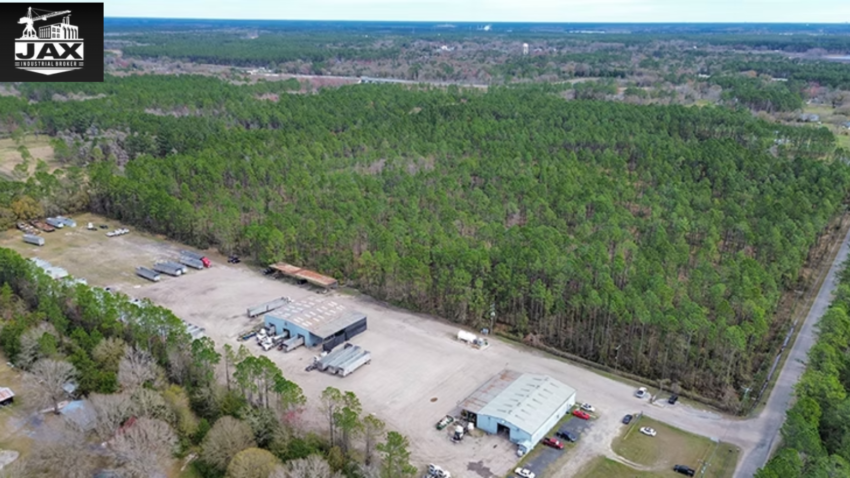
Industrial property value is about more than building size, land area, or a price estimate. A site must also work for the business using it. Truck flow, loading areas, yard space, power, access, and site layout can all affect daily work. For a Jacksonville industrial broker, looking at how a property works should come before relying on a value number.
Start With How the Site Works
A property can look good on paper and still cause problems for a business. A large warehouse may have plenty of floor space, but a small yard can make truck movement hard. A manufacturing site may have enough building space, but limited power or poor access can limit plans. These issues can change how useful the property is.
Manufacturers, distributors, and logistics companies need sites that match their daily work. Trucks need room to enter, load, turn, and leave. Loading areas need to match the flow of goods. Yard space needs to match the level of activity. Employees also need clear paths through the site. A value review should look at these points before reaching a final view of the property.
Site Use Can Change the Value Picture
The same property can have different value for different users. A site built for one type of work may not fit another use as well. An owner may also view the property differently from an investor looking at future use.
A close site review should look at:
- Truck access and movement: Ingress, egress, turning space, loading areas, and yard layout can affect how trucks move each day. If movement is hard, the site may need changes or new capital before it works well for another user.
- Power and infrastructure: Some industrial users need strong power and other basic site needs. Rail access can also matter for facilities that move goods by rail. These points help show what the property can handle now and what it may handle later.
- Yard space: Yard capacity matters for truck terminals, industrial outdoor storage, distribution sites, and other active industrial uses. Limited space can make daily work harder and may limit plans.
An industrial property advisor should connect these site details with the owner’s goals. The focus should not be on a number alone. The real question is how well the property can serve the business.
Jacksonville Needs a Local View
Jacksonville industrial real estate includes sites used for port activity, rail service, manufacturing, distribution, and industrial outdoor storage. Each use can place different demands on a property. A port-focused site may need good truck access and enough yard space. A rail-served facility may need the right rail connection and room for site movement. An IOS property may depend heavily on open yard space, access, and site layout. These details matter when an owner or investor looks at value.
For example, a property may have a strong location but still need changes before it can meet the needs of a new user. The cost of those changes can affect the real value of the asset. Future use also matters. A site with room for growth may give an owner more choices than a site with tight limits. A Jacksonville industrial broker can bring this local view into the property decision while keeping the business goal in focus.
Link Value to the Business Plan
A value estimate becomes more useful when it helps guide a business choice. An owner may be looking at leasing, repositioning, development, or an exit. Each choice needs a clear view of how the property works. Repositioning is one example. A change may look useful at first, but the cost of better access, more yard space, improved loading, or added infrastructure can change the plan.
Leasing also needs a close look at site use. The property must match the needs of the right industrial user. A site with limited truck flow or yard space may not fit every operation. For this reason, leasing and repositioning should start with the operation. Real estate comes next. An industrial property advisor looks at the business goal, site needs, capital needs, and long-term plan before a real estate strategy takes shape.
Price Is Only Part of the Story
A price estimate tells only part of the story. The more useful question is how well the property can serve its intended use. In Jacksonville industrial real estate, site function can affect daily work, plans, and long-term value. A property with a large building is not automatically the best fit. A smaller site with better truck flow, loading space, yard use, and infrastructure may fit a specific operation better.
For investors, the same thinking applies to truck terminals, rail-served facilities, and regulated warehousing. The review should consider how the asset works, what changes may be needed, and how those changes fit the investment plan. A Jacksonville industrial broker should look beyond the transaction. The right path may involve leasing, repositioning, development, or an exit based on the owner’s goals and the site’s actual use.
Final Thought
Industrial property should be viewed as part of the business, not simply as a building or piece of land. Truck flow, loading areas, yard space, power, infrastructure, lease terms, and capital needs can all shape its real value.
An industrial property advisor starts with the business and the way the site works. The real estate decision follows. When site function comes first, valuation has a stronger link to how the property can create useful, long-term value.