
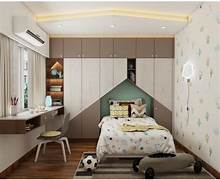
A well-planned kids room interior combines creativity, comfort, and functionality to create a space where children can sleep, study, play, and grow. A thoughtfully designed room encourages learning, organization, and independence while ensuring safety and efficient use of available space. Every element, from furniture and storage to lighting and colors, should be selected according to the child’s age and daily activities.
When planning children’s furniture, understanding the Types of Modular Wardrobes for Different Room Sizes is also valuable. The right wardrobe design helps maximize storage while keeping the room neat and organized.
Importance of Kids Room Interior Design
A children’s room should support multiple activities without feeling crowded.
Professional interior planning helps provide:
- Safe living environment
- Comfortable sleeping area
- Dedicated study space
- Organized storage
- Play-friendly layout
- Efficient space utilization
- Attractive interiors
A well-designed room can adapt to the child’s changing needs over time.
Space Planning
Effective space planning ensures that different activities have their own dedicated areas.
A kids room may include:
- Sleeping area
- Study corner
- Play zone
- Wardrobe
- Bookshelves
- Toy storage
- Reading nook
Proper zoning helps keep the room organized and functional.
Choosing Child-Friendly Furniture
Furniture should be durable, comfortable, and designed with safety in mind.
Popular furniture includes:
- Beds
- Study tables
- Chairs
- Bookshelves
- Storage cabinets
- Toy organizers
- Bedside tables
Rounded edges and sturdy construction can improve safety for young children.
Types of Modular Wardrobes for Different Room Sizes
Choosing the right wardrobe depends on the available bedroom space and storage requirements.
Common wardrobe options include:
- Sliding door wardrobes
- Hinged wardrobes
- Corner wardrobes
- Floor-to-ceiling wardrobes
- Built-in wardrobes
Selecting the appropriate modular wardrobe helps maximize storage while maintaining open floor space.
Smart Storage Solutions
Storage is essential for keeping children’s rooms neat and organized.
Useful storage ideas include:
- Toy bins
- Pull-out drawers
- Open shelves
- Closed cabinets
- Under-bed storage
- Wall-mounted shelves
Organized storage encourages children to keep their belongings in place.
Study Area Design
A dedicated study corner helps children focus on reading and homework.
A study area may include:
- Ergonomic study table
- Comfortable chair
- Bookshelves
- Task lighting
- Stationery storage
Proper lighting and seating improve comfort during study sessions.
Color Selection
Colors influence the mood and appearance of a child’s room.
Popular choices include:
- Soft blue
- Pastel pink
- Mint green
- Yellow
- Neutral tones
- Multi-color themes
The color palette should create a cheerful yet comfortable atmosphere.
Lighting Design
Layered lighting improves both functionality and comfort.
Lighting options include:
- Ceiling lights
- Study lamps
- Night lights
- LED strip lighting
- Decorative lighting
Proper lighting supports reading, studying, and relaxing.
Wall Décor
Decorative walls can make the room more engaging.
Ideas include:
- Educational wall graphics
- Murals
- Wallpaper
- Name boards
- Floating shelves
- Artwork
Wall décor should match the child’s interests while remaining easy to update as they grow.
Flooring Options
Flooring should be safe, durable, and easy to clean.
Common options include:
- Wooden flooring
- Vinyl flooring
- Vitrified tiles
- Soft rugs
- Play mats
Comfortable flooring creates a safer environment for play.
Multi-Functional Furniture
Space-saving furniture is particularly useful in smaller rooms.
Examples include:
- Storage beds
- Foldable study tables
- Multi-purpose wardrobes
- Loft beds
- Combination furniture
These solutions maximize available space while maintaining functionality.
Safety Considerations
Safety should be a priority in every kids room interior.
Important features include:
- Rounded furniture edges
- Stable furniture installation
- Child-safe materials
- Proper ventilation
- Secure electrical fittings
- Non-slip flooring
A safe environment allows children to play and learn comfortably.
Choosing a Kids Room Interior Designer
When selecting a designer, consider:
- Experience with residential interiors
- Child-friendly design expertise
- Space-planning skills
- Furniture customization
- Material knowledge
- Portfolio of completed projects
An experienced designer can create a room that balances creativity with practicality.
Professional Installation
Professional installation ensures that furniture, wardrobes, shelves, and study units are securely assembled and fitted.
Installation services may include:
- Wardrobe installation
- Study table assembly
- Storage unit fitting
- Wall shelving installation
- Bed assembly
Proper installation improves safety, durability, and functionality.
Conclusion
A thoughtfully planned kids room interior creates a comfortable, organized, and inspiring environment where children can sleep, study, play, and develop. By combining smart storage, child-friendly furniture, creative décor, proper lighting, and safe materials, parents can create a room that grows with their child’s needs.
Understanding the Types of Modular Wardrobes for Different Room Sizes also helps homeowners choose practical storage solutions that maximize available space. With professional design, quality materials, and expert installation, a kids room can become a functional and enjoyable space for many years.