
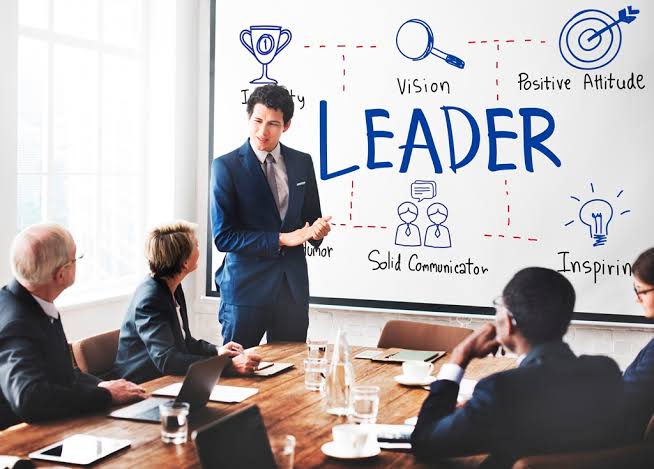
Leadership today requires more than technical expertise. Professionals moving into managerial and senior positions need strategic thinking, decision-making, communication, people management, and business knowledge. A structured leadership program in Bangalore can help professionals develop these capabilities while preparing for broader responsibilities.
Why Leadership Skills Matter
As professionals progress in their careers, their responsibilities often expand beyond individual tasks. They may manage teams, coordinate projects, handle stakeholders, solve complex problems, and contribute to business strategy.
This transition requires a change in mindset—from focusing only on personal performance to creating value for teams and the organization.
Leadership vs. Management
Management generally focuses on planning, organizing, and executing tasks, while leadership involves creating direction, influencing people, and managing change.
A good leader needs to understand both. For example, completing a project on time requires management, while motivating the team, solving unexpected challenges, and connecting the project to business objectives require leadership.
Key Skills Developed Through Leadership Education
Strategic Thinking
Strategic thinking helps professionals understand the bigger business picture. Leaders need to evaluate opportunities, identify risks, allocate resources, and connect daily decisions with long-term objectives.
Decision-Making
Business decisions often have incomplete information and competing priorities. Leadership development can provide frameworks for evaluating alternatives, understanding risks, and making structured decisions.
People Management
Effective leaders need strong communication and interpersonal skills. Delegation, feedback, conflict resolution, coaching, and employee motivation are essential for building productive teams.
Innovation and Change Management
Businesses constantly adapt to technology, customer expectations, and market conditions. Leaders must help teams respond to change and identify practical opportunities for improvement.
Business Acumen
Understanding how departments work together helps leaders make better organizational decisions. Knowledge of finance, marketing, operations, human resources, and strategy can provide a broader business perspective.
Importance of Practical Learning
Leadership concepts become more valuable when professionals can apply them to realistic business situations. Case studies, projects, presentations, and industry interactions can help learners connect theory with workplace challenges.
Welingkar’s current Leadership Development Program includes Harvard Business Review case studies, CXO Connect sessions, live project presentations, and live sessions with faculty and industry experts. The program is described as a four-month, 48-hour learning experience.
Who Can Consider a Leadership Program?
A leadership program in Bangalore can be relevant for professionals preparing for greater responsibilities, including:
- Mid-level managers
- Functional heads
- Project leaders
- Entrepreneurs
- Aspiring senior managers
- Professionals managing cross-functional teams
Welingkar’s current program information identifies mid-career professionals, functional heads, and aspiring CXOs among its intended participants.
How to Choose a Leadership Program
Before enrolling, professionals should consider several factors:
Curriculum: Check whether the program covers strategy, decision-making, people management, innovation, and business skills.
Learning Format: Consider whether the schedule and delivery format fit your professional commitments.
Practical Exposure: Look for case studies, projects, presentations, and industry interaction.
Faculty: Review the experience and expertise of the faculty and industry professionals involved.
Certification: Understand what the certificate represents and consider the overall learning experience rather than certification alone.
Applying Leadership Skills at Work
Leadership development becomes meaningful when professionals apply their learning to real workplace situations.
A manager could use delegation techniques to improve team productivity, apply strategic frameworks to business planning, or use communication techniques to handle difficult conversations.
Continuous application, feedback, and reflection can help turn leadership concepts into practical workplace capabilities.
Conclusion
Moving from a functional expert to a strategic leader requires continuous learning and a broader understanding of business. Professionals need to develop skills in strategy, decision-making, communication, people management, innovation, and business acumen.
A structured leadership program in Bangalore can provide professionals with opportunities to explore these areas through practical learning and industry-oriented approaches.
For professionals considering executive education, Welingkar’s Leadership Development Program combines case studies, CXO interactions, live projects, faculty sessions, and certification to support leadership development.