
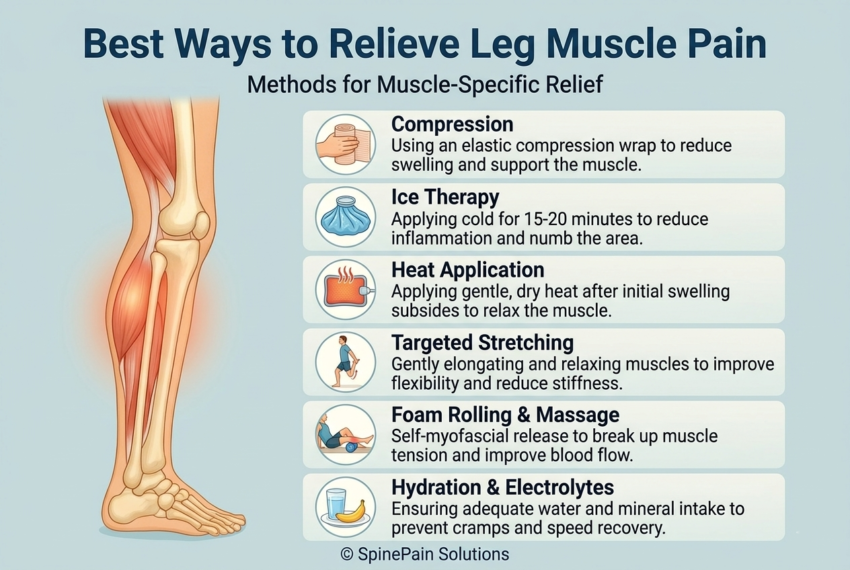
Leg muscle pain is one of the common issues that everyone, whether an athlete or an office worker, may experience. Leg muscle pain can manifest as pain, cramps, stiffness, or even sharp pain. The good news is that there are many effective and simple solutions to alleviate this pain. In this guide, you will learn the most effective solutions that work for leg muscle pain relief.
Understanding Leg Muscle Pain
There are a number of factors that may contribute to leg muscle pain. It may be caused by overuse, dehydration, poor posture, or even stress. Sometimes, underlying medical conditions such as muscle strain and nerve problems may also be responsible for leg muscle pain.
For instance, after exercising or standing or sitting for a long time, people may experience muscle pain. In countries such as Canada and Australia, where people enjoy outdoor activities, muscle pain is a common problem. The cause of the pain is important to determine the best course of action.
Use Medications for Quick Relief
For moderate to severe pain, medicine can offer rapid relief. One such medicine for this is Brufen 200mg. It helps relieve pain and reduce inflammation. It can be effective for relieving muscle ache due to exercise or injury.
Another medicine for relieving pain is a baclofen 10 mg tablet. It is effective for relieving muscle spasms. It can be effective for relieving pain due to muscle ache or nerve problems.
Though these medicines can be effective for relieving pain, it is always advisable to take them according to the prescription and consult a doctor if required. These medicines can be effective for relieving pain in countries like Canada and Australia.
Apply Hot and Cold Therapy
Hot and cold therapy is one of the simplest and most effective ways to relieve leg muscle pain.
- Cold therapy helps reduce swelling and numb sharp pain. Apply an ice pack for 15–20 minutes.
- Heat therapy relaxes muscles and improves blood flow. Use a warm towel or heating pad.
Use cold therapy right after an injury and heat therapy for ongoing stiffness or soreness.
Stay Hydrated
Dehydration is one of the major causes of muscle cramps and pain. Your muscles should be hydrated enough in order to perform optimally.
You should drink water during the day, especially if you work out or live in a warm climate. Electrolytes will help keep your muscles balanced. This will help prevent muscle pain.
Stretch Regularly
Stretching keeps your muscles flexible and reduces stiffness. It is important to stretch both before and after physical activity.
Try these simple stretches:
- Hamstring stretch
- Calf stretch
- Quadriceps stretch
Hold each stretch for 20–30 seconds without bouncing. Regular stretching can reduce the risk of injury and improve muscle health over time.
Gentle Exercise and Movement
While rest is important, complete inactivity is likely to make the pain worse. Engaging in physical activity is important, as it helps to promote circulation and hasten the healing process.
A great form of physical activity is walking, yoga, or swimming. These are recommended forms of physical activity, as they are included in most fitness programs in Canada and Australia.
It is important to avoid strenuous physical activity while the pain is still present.
Massage Therapy
Massage is a great way to relax tight muscles and improve blood flow. It can reduce pain and help muscles recover faster.
You can try:
- Self-massage using your hands
- Foam rolling
- Professional massage therapy
Even a few minutes of massage daily can make a big difference in how your legs feel.
Improve Your Posture
Poor posture can put extra strain on your leg muscles. Sitting or standing incorrectly for long periods can lead to pain and stiffness.
Make sure to:
- Sit with your back straight
- Keep your feet flat on the floor
- Avoid crossing your legs for long periods
If you work at a desk, take short breaks to stand and stretch every hour.
Get Enough Rest
Rest is essential for muscle recovery. Overworking your muscles without proper rest can lead to ongoing pain.
Aim for 7–8 hours of sleep each night. Good sleep helps your body repair damaged muscle tissue and reduces inflammation.
Eat a Balanced Diet
Your diet plays a big role in muscle health. Nutrients like magnesium, potassium, and protein help keep muscles strong and reduce pain.
Include foods like:
- Bananas
- Leafy greens
- Nuts and seeds
- Lean protein
A healthy diet supports faster recovery and prevents future muscle problems.
When to See a Doctor
Most leg muscle pain improves with home care. However, you should seek medical help if:
- Pain lasts more than a few weeks
- There is severe swelling or redness
- You have difficulty walking
- Pain comes from an injury
A doctor can diagnose the problem and suggest the right treatment plan.
Final Thoughts
Leg muscle pain can impact your day-to-day activities, but with the right techniques, quick and long-lasting solutions are at hand. With techniques like hydration, stretching, and adequate rest, significant relief is achievable. If quick solutions are what you need, Brufen 200mg and baclofen 10 mg tablet are available to assist you with quick solutions to muscle pain.
With techniques and solutions at hand, leg muscle pain is no longer an issue. With platforms like Buyrxsafe at hand, quick solutions are just around the corner. With small steps towards muscle care and activity, long-term comfort is achievable.