
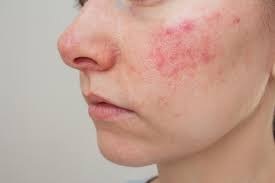
Living with a chronic skin condition can be overwhelming. Conditions such as eczema, psoriasis, and granuloma annulare affect daily life, self-confidence, and even emotional wellbeing. While medical treatments play a central role, the habits you adopt every day can significantly influence your skin’s health. From diet to sleep patterns, from stress management to gentle skincare routines, lifestyle choices directly affect how your skin reacts and recovers.
Lifestyle habits that support healthy skin, addresses common questions people with chronic skin conditions often have, and provides practical guidance for integrating these habits into daily life. We also touch on natural approaches and supplements that can support your skin’s healing process, including options like Herbal Supplements for Granuloma Annulare and other holistic measures.
The Role of Daily Habits in Skin Health
Chronic skin conditions often flare in response to external triggers or internal imbalances. While medications and topical treatments are essential, daily habits form the foundation for long-term skin health.
1. Diet and Nutrition
Your diet plays a vital role in skin inflammation and repair. Certain foods can worsen conditions, while others help reduce inflammation and support healing.
- Anti-inflammatory foods: Include fatty fish such as salmon and mackerel, rich in omega-3 fatty acids. Leafy greens, colourful vegetables, and berries supply antioxidants that combat oxidative stress.
- Limit triggers: Highly processed foods, excessive sugar, and artificial additives can aggravate skin conditions. Monitoring your diet and noting flare patterns can provide insights into which foods affect your skin.
- Supplements: Nutritional support can be helpful, especially when dietary intake is insufficient. Consider speaking with a healthcare professional about options like Best Vitamins and Supplements Products Online UK. Supplements such as vitamin D, zinc, and probiotics may assist with immune support and skin repair.
For those dealing with specific conditions like granuloma annulare, exploring Granuloma Annulare Natural Treatment approaches, including certain herbal supplements, can complement conventional care.
2. Hydration
Water keeps skin cells functioning optimally and helps flush toxins from the body. Dehydration can make skin appear dull, exacerbate dryness, and even trigger itchiness.
- Drink at least 1.5–2 litres of water daily, adjusting for climate and activity level.
- Limit excessive caffeine or alcohol, which can dehydrate the skin.
Hydration supports the effectiveness of both topical and oral treatments, ensuring that your skin retains moisture and resilience.
3. Skincare Routine
Adopting a gentle and consistent skincare routine can prevent irritation and reduce flare-ups.
- Cleansing: Use mild, fragrance-free cleansers that do not strip natural oils. Avoid hot water as it can worsen dryness and inflammation.
- Moisturising: Apply moisturiser at least twice daily. Choose products with ingredients like ceramides or glycerin, which help restore the skin barrier.
- Sun Protection: Use sunscreen daily, even on cloudy days. Ultraviolet radiation can trigger flares and cause long-term skin damage.
People with chronic skin conditions may benefit from natural alternatives. Some individuals find that certain topical herbal remedies, as part of Granuloma Annulare Natural Treatment, soothe inflammation without harsh chemicals.
4. Stress Management
Stress is a well-known trigger for many skin conditions, including eczema and psoriasis. Stress hormones can worsen inflammation and delay healing.
- Mindfulness practices: Meditation, deep breathing, and yoga can lower stress hormone levels and improve overall wellbeing.
- Regular exercise: Moderate physical activity reduces stress, boosts circulation, and supports immune function.
- Sleep hygiene: Aim for 7–9 hours of quality sleep per night. Poor sleep increases inflammation and can aggravate skin conditions.
Creating a stress management routine tailored to your lifestyle can prevent flare-ups and enhance the effectiveness of other treatments.
5. Avoiding Environmental Triggers
Environmental factors can aggravate sensitive skin. Identifying and minimising exposure to triggers can prevent flare-ups.
- Temperature changes: Sudden shifts from hot to cold environments may worsen dryness or itchiness. Layering clothing and using moisturisers during seasonal changes can help.
- Irritants: Fragranced soaps, harsh detergents, and certain fabrics like wool may irritate the skin. Opt for hypoallergenic products and breathable cotton clothing.
- Allergens: Pollen, dust, and pet dander can trigger flare-ups. Regular cleaning and air filtration may reduce exposure.
Being aware of environmental triggers allows you to adapt your daily routine and reduce the frequency of skin reactions.
Natural Support for Skin Health
Many people with chronic skin conditions explore natural methods to support their skin. While these approaches do not replace medical treatments, they can complement them effectively.
Herbal Supplements
Certain herbal supplements have shown promise in supporting skin health and reducing inflammation. For example, Herbal Supplements for Granuloma Annulare often include ingredients with anti-inflammatory and immune-modulating properties. These supplements may support your treatment plan, especially when used under guidance from a qualified healthcare provider.
Common herbs used in skin support include:
- Turmeric (Curcuma longa): Known for its anti-inflammatory properties and antioxidant effects.
- Aloe vera: Soothes irritated skin and may help with dryness and mild inflammation.
- Chamomile: Provides calming effects on the skin and may reduce redness.
Always check interactions with prescribed medications and discuss supplements with your doctor before adding them to your routine.
Vitamins and Minerals
Specific vitamins and minerals can help manage skin health and prevent flare-ups.
- Vitamin D: Plays a role in immune regulation and skin barrier function. Sunlight exposure or supplements may help if levels are low.
- Zinc: Supports wound healing and reduces inflammation. Found in nuts, seeds, and seafood.
- Vitamin E: An antioxidant that protects skin cells and supports healing.
- Probiotics: Can improve gut health, which in turn may influence skin inflammation.
For convenient access, consider browsing options like Best Vitamins and Supplements Products Online UK, which offer a variety of formulations suitable for supporting skin health.
Lifestyle Integration
Incorporating natural support into your daily routine requires consistency and mindfulness.
- Start with small changes: Add one supplement or practice at a time and monitor your skin’s response.
- Maintain records: Keeping a diary of foods, products, and activities helps identify patterns linked to flare-ups.
- Combine approaches: A combination of dietary support, herbal supplements, gentle skincare, and stress management often yields the best results.
Exercise and Skin Health
Exercise does more than strengthen muscles and improve cardiovascular health. It can have direct benefits for chronic skin conditions.
- Improves circulation: Better blood flow supports nutrient delivery and toxin removal.
- Reduces stress: Physical activity lowers stress hormone levels, which may prevent flare-ups.
- Supports immune function: Regular exercise helps regulate immune responses that affect skin inflammation.
Choose low-impact activities like walking, swimming, or yoga to avoid irritation or excessive sweating, which may trigger flare-ups in sensitive skin.
Sleep and Skin Recovery
Quality sleep plays a critical role in skin repair. During deep sleep stages, your body produces growth hormones that support cell regeneration. Poor sleep can worsen inflammation and delay healing.
Tips to improve sleep quality include:
- Maintain a consistent sleep schedule, even on weekends.
- Keep the bedroom cool, dark, and quiet.
- Limit screen exposure at least an hour before bed.
- Use comfortable bedding that does not irritate the skin.
Addressing sleep problems can significantly improve skin condition and overall wellbeing.
Mental Health and Emotionl Support
Chronic skin conditions can affect confidence, social interactions, and emotional wellbeing. Addressing mental health is an essential part of skin care.
- Seek support: Talking to a therapist or joining a support group helps manage the emotional impact of chronic skin conditions.
- Mind-body practices: Techniques like mindfulness meditation and progressive muscle relaxation can reduce stress and improve coping.
- Self-care: Prioritising time for hobbies and relaxation supports emotional health, which may indirectly benefit skin.
Feeling emotionally supported can reduce stress-induced flare-ups and improve adherence to treatment routines.
Monitoring and Tracking Skin Health
Keeping track of your skin’s response to lifestyle changes, treatments, and environmental factors allows for better management.
- Use a skin diary: Record flare-ups, triggers, diet, supplements, and sleep patterns.
- Photograph progress: Document changes over time to assess what works best.
- Regular check-ups: Consult your dermatologist or healthcare provider to evaluate the effectiveness of any new regimen, including natural treatments like Granuloma Annulare Natural Treatment or herbal supplements.
Combining Lifestyle Habits and Medical Care
Lifestyle habits do not replace medical care but complement it effectively. Combining medical treatment with diet, hydration, gentle skincare, stress management, and natural support often yields the best results.
- Follow prescribed medications consistently.
- Introduce lifestyle changes gradually to assess their impact.
- Work with healthcare professionals when considering supplements or herbal products.
This integrated approach supports long-term skin health and reduces the frequency and severity of flare-ups.
Practical Tips for Daily Routine
Here is a sample approach to integrating lifestyle habits for chronic skin conditions:
- Morning: Hydrate, use gentle cleanser and moisturiser, apply sunscreen, and take any recommended supplements.
- Daytime: Stay hydrated, manage stress with short breaks or mindfulness exercises, and avoid known environmental triggers.
- Evening: Remove makeup or dirt gently, moisturise, engage in relaxing activities, and prepare for quality sleep.
- Weekly: Plan meals rich in anti-inflammatory foods, exercise moderately, and review skin diary for patterns.
Consistency matters more than perfection. Small, sustained improvements often produce meaningful results over time.
Conclusion
Lifestyle habits play a vital role in managing chronic skin conditions. By focusing on diet, hydration, gentle skincare, stress management, sleep, and exercise, you can support your skin’s health and reduce flare-ups. Incorporating natural methods, including Herbal Supplements for Granuloma Annulare, alongside medical treatments, offers additional support.
Monitoring your skin, adjusting routines based on responses, and seeking professional advice when considering supplements like Best Vitamins and Supplements Products Online UK ensures safe and effective care. Prioritising these lifestyle habits empowers you to take an active role in managing chronic skin conditions and improves both physical and emotional wellbeing.
Your skin responds to consistent care, attention to triggers, and supportive habits. By combining these lifestyle practices with recommended treatments, you can create a sustainable approach that encourages healthier skin and greater confidence every day.