
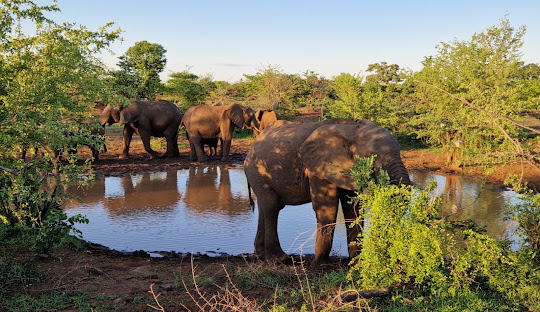
When you think of a trip to Zimbabwe, your mind might instantly jump to the thunderous roar of Victoria Falls or the sight of elephants wandering through Hwange National Park. But there is another, deeply rewarding side to this beautiful country that many travelers overlook: its food.
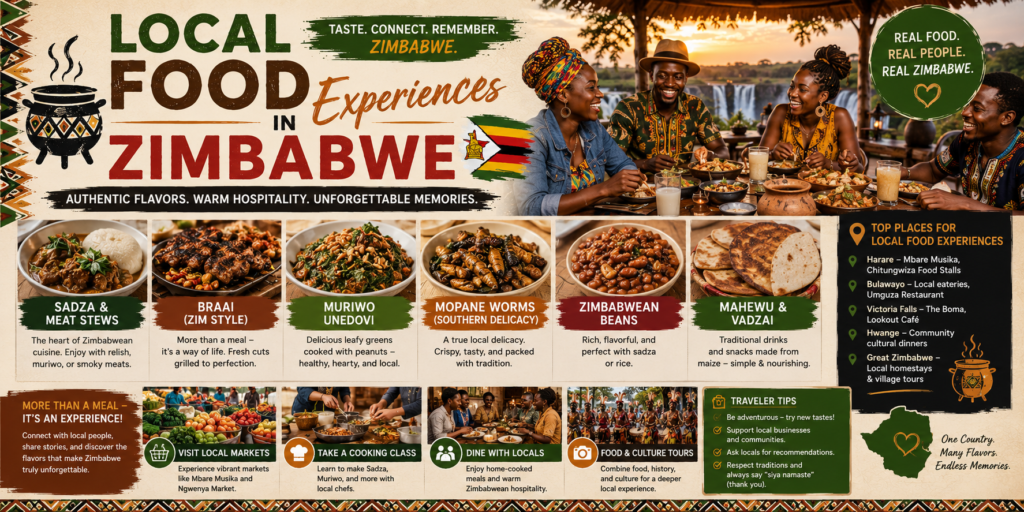
Zimbabwean cuisine is simple, comforting, and deeply rooted in tradition. It is a style of cooking that does not rely on complex spice racks, but rather on the fresh, natural flavors of locally grown crops, slow-cooked meats, and rich peanut butter.
If you want to truly connect with the local culture, sitting down to share a meal is the absolute best way to do it. Before you pack your bags to taste these incredible dishes, make sure your travel documents are ready. You can easily secure your Zimbabwe e-Visa online to save time and avoid long queues at the border.
Here is everything you need to know about the local food experiences in Zimbabwe.
1. What Is the National Dish of Zimbabwe?
You cannot talk about Zimbabwean food without talking about Sadza. It is the absolute heartbeat of the country. If you ask any local, they will tell you that a day without Sadza is a day they haven’t really eaten.
So, what is it? Sadza is a thick, steaming-hot porridge made from ground white maize (cornmeal), known locally as mealie-meal. It is cooked slowly with water and vigorously beaten with a wooden spoon until it thickens into a dense, dough-like consistency.
Traditionally, Sadza is served family-style. You wash your hands in a communal bowl of water, pinch off a small piece of Sadza with your right hand, roll it into a neat ball, press your thumb into the center to make a small scoop, and use it to pick up your stew or vegetables. It is comforting, filling, and incredibly delicious.
2. What Are the Must-Try Meat Dishes (Nyama) in Zimbabwe?
For meat lovers, Zimbabwe is a paradise. Meat—known locally as Nyama—is a centerpiece of celebrations, Sunday family gatherings, and everyday dinners.
- Beef Stew: The most common everyday option. Succulent chunks of beef are slow-simmered with onions, fresh tomatoes, and sometimes a touch of curry powder to create a rich, savory gravy that pairs perfectly with Sadza.
- Road Runner Chicken (Huku yechiShona): This is not your standard supermarket chicken. “Road runners” are free-range chickens that roam rural villages. Because they are active, their meat is much tougher but packed with an incredibly deep, rich flavor. It is slow-cooked for hours in a simple tomato and onion gravy until it is tender.
- Game Meat: Because of Zimbabwe’s thriving wildlife reserves, you can easily find game meats like kudu, impala, warthog, and crocodile on the menu at safari lodges and specialty restaurants. They are usually grilled or served in hearty potjiekos (slow-cooked stews).
3. What Is Mopane Worm (Madora) and Does It Actually Taste Good?
If you are an adventurous eater, this is the ultimate test of your culinary bravery. Madora (also known as macimbi or Mopane worms) are large, protein-packed caterpillars harvested from the branches of Mopane trees.
Far from being a tourist gimmick, Madora is a beloved local delicacy and an amazing source of nutrition. Locals typically dry them out, then fry them up with onions, tomatoes, and chilies until they are incredibly crispy.
What do they taste like? They are crunchy on the outside, slightly chewy on the inside, and have a unique salty, smoky, and earthy flavor—similar to crispy beef jerky or roasted nuts. Try them with an open mind; you might be surprised by how much you enjoy the crunch!
4. How Do Zimbabweans Cook Vegetables? (The Magic of Peanut Butter)
Zimbabweans have an incredible way of turning simple greens into the star of the table, and their secret ingredient is peanut butter (dovi).
- Muriwo unedovi: This is perhaps the most famous side dish in the country. It consists of fresh leafy green vegetables (like rape, kale, or pumpkin leaves) sautéed with onions and tomatoes, then folded into a thick, creamy, salted peanut butter sauce. The savory greens mixed with the rich, nutty sauce create a flavor combination that will have you scraping your plate clean.
- Muboora: This dish uses fresh pumpkin leaves. The leaves are carefully cleaned, simmered with tomatoes and onions, and finished with fresh cream or peanut butter. It is smooth, earthy, and highly nutritious.
5. What Do Locals Eat for Breakfast in Zimbabwe?
A traditional Zimbabwean breakfast is designed to give you energy for a long day of outdoor activities. It is usually simple, warm, and highly comforting.
- Bota: This is a thin, smooth morning porridge made from cornmeal. What makes it special are the toppings. Locals stir in generous spoonfuls of smooth peanut butter, butter, milk, sugar, and sometimes even a dollop of fruit jam. It is warm, sweet, and incredibly satisfying.
- Mbambaira (Sweet Potatoes): Instead of bread, many traditional households boil or roast whole sweet potatoes. They are eaten warm alongside a piping hot cup of black tea sweetened with sugar.
6. What Is Kapenta and How Do You Eat It?
If you travel near Lake Kariba or the Zambezi River, you will constantly see and smell Kapenta. These are tiny, sardine-like freshwater fish that are harvested at night using lanterns to draw them to the surface.
Once caught, Kapenta is sun-dried on large racks. To cook them, locals shallow-fry them in hot oil with onions, tomatoes, and green peppers until they are beautifully crispy. They are served as a salty snack alongside cold drinks, or served hot over a giant mound of Sadza. They are salty, crunchy, and packed with calcium!
7. What Kind of Street Food and Snacks Can You Find in Zimbabwe?
While exploring the busy streets of Harare, Bulawayo, or Victoria Falls, keep your eyes open for these affordable local snacks:
- Maputi: This is Zimbabwe’s answer to popcorn. It is air-popped maize kernels, but unlike Western popcorn, the kernels are dense, chewy, and heavily salted. It is incredibly cheap, filling, and sold in small plastic bags on almost every street corner.
- Chimudandabvu (Fat Cakes / Gwinya): These are delicious, unsweetened, deep-fried dough balls. They are golden and crispy on the outside, soft and fluffy on the inside. Locals love eating them hot in the morning with a cup of tea.
- Roasted Maize: Walk past any busy market and you will smell fresh corn on the cob being roasted directly over open hot coals. It is smoky, chewy, and perfect for snacking on the go.
8. What Do People Drink in Zimbabwe?
To wash down all this delicious food, you have to try the local beverages.
- Mazoe Orange Crush: This is the undisputed national drink of Zimbabwe. It is a highly concentrated, sweet orange syrup that you dilute with water. Almost every home keeps a bottle in the kitchen, and its nostalgic, sweet flavor is the taste of childhood for every Zimbabwean.
- Chibuku: This is a traditional, commercialized sorghum beer. It is thick, milky, slightly gritty, and actively ferments in its plastic container (often called a “scud” because of its shape). It has a sour, yeasty taste and is highly popular in local social halls.
- Zambezi Lager: If you prefer a classic, cold lager, this is Zimbabwe’s national beer. It is crisp, light, incredibly refreshing, and best enjoyed while watching the sunset over the Zambezi River.
9. Are There Vegetarian and Gluten-Free Foods Available in Zimbabwe?
Yes! While Zimbabweans love their meat, navigating dietary restrictions here is actually quite simple:
- Gluten-Free: Since the national staple, Sadza, is made entirely from white cornmeal (maize) and water, it is naturally gluten-free. Just ensure it hasn’t been cross-contaminated in the kitchen.
- Vegetarian: Traditional dishes offer excellent vegetarian options. You can easily order Sadza served with Muriwo unedovi (greens in peanut butter), Dovi (a rich peanut and vegetable stew), or boiled beans (Nyemba). Just make sure to tell your host or server that you do not eat meat broth, as meat-based gravies are sometimes added to vegetable dishes for extra flavor.
10. What Food Etiquette and Customs Should You Know Before Eating?
To show respect to your local hosts, keep these simple cultural tips in mind:
- Wash Your Hands: Before every meal, a bowl of warm water and soap will be brought to the table. Even if you just washed your hands in the bathroom, participate in this communal washing ritual. Let the oldest person at the table wash their hands first.
- Use Your Right Hand: If you are eating Sadza with your hands, always use your right hand to scoop and mold the food.
- Don’t Rush: Eating is a social, communal event in Zimbabwe. Take your time to talk, laugh, and connect with the people around you.
11. Where Are the Best Places to Experience Authentic Zimbabwean Food?
- Local Homes: If you are lucky enough to be invited into a local home, accept the invitation! This is where you will get the most authentic, love-infused home cooking.
- The Boma (Victoria Falls): For a festive, immersive night, visit The Boma – Dinner & Drum Show in Victoria Falls. It features a massive buffet of traditional stews, game meats, and fried Madora, accompanied by live drumming and dancing.
- Mereki (Harare): For a true, gritty local experience, visit “Goat Mereki” in Warren Park, Harare. It is an open-air braai (barbecue) spot where you choose your meat, and local grill masters cook it over charcoal while you enjoy a cold beverage.
12. How Do You Get a Visa to Go on a Zimbabwe Food Adventure?
Ready to pack your bags and experience the sights, sounds, and flavors of Zimbabwe for yourself? Before you can tuck into a fresh plate of steaming hot Sadza, you will need to arrange your travel visa.
The easiest way to secure your entry is by applying for your travel documents online, allowing you to bypass long queues at the airport and enjoy a stress-free start to your trip.
Why Choose Us?
- Reliable Travel Visa ServicesOur global approach has assisted numerous travelers in obtaining their Visa. Get started today by visiting our step-by-step guide on how to apply for a Zimbabwe e-Visa.
- Round-the-Clock AssistanceReach out to us 24/7, and our experts will respond within 72 hours to assist with any questions about your application.
- Experienced Visa ConsultantsReceive expert guidance and thorough checks to ensure the ultimate acceptance of your application.
- Efficient Visa Application ProcessSkip the complex government jargon. Apply for your Zimbabwe Visa in minutes with our highly simplified application form.