
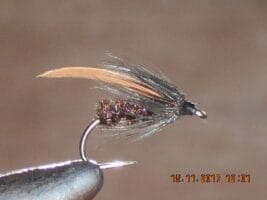
Fishing wet flies are designed to imitate insects, larvae, emerging flies, and small aquatic creatures below the water surface. They are one of the most versatile fly patterns because fish spend much of their time feeding underwater rather than on the surface.
Unlike dry flies that float, subsurface fishing flies move naturally with the current, making them an excellent choice when trout are actively feeding beneath the water.
Key Takeaways
- Ideal for fishing below the water surface.
- Mimic natural underwater food sources.
- Suitable for rivers, streams, and lakes.
- Effective throughout different fishing seasons.
When Should You Use Fishing Wet Flies?
The best time to use fishing wet flies is when fish are feeding beneath the surface instead of rising for insects.
Experienced anglers regularly choose hand tied wet flies during:
- Early spring when insect activity begins.
- Cloudy or windy days.
- Deep pools and fast-moving rivers.
- Cooler mornings and evenings.
- During insect emergence periods.
Practical Example
Imagine fishing a river where you rarely see trout breaking the surface. Instead of switching locations, changing to a carefully presented wet fly can place your imitation exactly where trout are feeding naturally.
This simple adjustment often produces better results than continuing with floating patterns.
Why Do Fish Respond Better to Wet Flies?
Fish naturally conserve energy. Rather than swimming to the surface every time they feed, they frequently intercept drifting insects underwater.
That is why premium wet fishing flies imitate food at the depth where fish are already hunting.
According to fisheries research published by organizations studying trout feeding behavior, trout obtain a significant portion of their daily food beneath the water surface through drifting aquatic insects and emerging nymphs. This explains why underwater presentations remain consistently productive across many fisheries.
Why They Work
- Natural underwater movement.
- Less disturbance on the water.
- Realistic insect imitation.
- Suitable for different water depths.
- Effective in changing weather conditions.
Which Types of Water Are Best for Fishing Wet Flies?
One advantage of professional fly fishing flies is their flexibility across different environments.
They perform well in:
- Fast-flowing rivers.
- Slow-moving streams.
- Deep reservoirs.
- Highland lakes.
- Natural freshwater systems.
Each location requires slightly different retrieval speeds and presentation techniques, but the same principle remains: present the fly naturally with the current.
How Should You Fish Wet Flies for Better Results?
Success depends more on presentation than simply selecting the correct fly.
Experienced fly anglers recommend:
- Cast slightly across the current.
- Allow the fly to drift naturally.
- Maintain light line tension.
- Lift the rod gently near the end of the drift.
- Vary retrieval speed until fish respond.
Expert Insight
Many seasoned fly fishers discover that subtle movement creates more strikes than aggressive retrieves. Fish usually respond to realistic drifting motion rather than rapid action.
What Features Should You Look for in Quality Fishing Wet Flies?
Not every fly performs equally on the water.
When choosing durable fishing wet flies, consider:
- Strong, sharp hooks.
- Consistent hand tying.
- Secure thread finishes.
- High-quality natural or synthetic materials.
- Balanced proportions for realistic movement.
Well-crafted flies generally maintain their shape after repeated use, making them more dependable during long fishing sessions.
Are Handcrafted Wet Flies Worth Choosing?
Handcrafted flies receive individual attention during production, allowing greater consistency than many mass-produced alternatives.
Experienced fly tiers carefully inspect:
- Hook alignment.
- Feather placement.
- Thread tension.
- Material durability.
- Overall balance.
This level of craftsmanship helps maintain natural movement underwater while improving long-term reliability.
Can Beginners Successfully Fish with Wet Flies?
Absolutely.
Many beginners actually find wet flies easier because fish spend much of their feeding time underwater.
A simple setup includes:
- Moderate retrieve speed.
- Natural drift.
- Good observation of water movement.
- Patience while covering different depths.
As confidence grows, anglers can experiment with multiple fly combinations and different presentation styles.
What Mistakes Reduce Success with Wet Flies?
Several small mistakes can reduce catch rates.
Avoid these common problems:
- Retrieving too quickly.
- Fishing only near the surface.
- Ignoring water currents.
- Using damaged flies.
- Constantly changing fly patterns before giving each enough time.
Learning to read the water often produces greater improvements than frequently replacing flies.
Choosing Handcrafted Fishing Wet Flies from Kenya
For years, Trout Fly Fishing Flies Kenya has focused on producing handcrafted fishing flies inspired by Kenya’s rich freshwater ecosystems and fly fishing heritage.
Every fly is tied with careful attention to durability, precision, and real fishing conditions. Traditional fly-tying craftsmanship is combined with modern materials and thorough quality inspection so anglers receive patterns built for consistent underwater performance in rivers, lakes, and streams around the world.
If you are looking for dependable handcrafted fishing wet flies, our team offers carefully inspected fly patterns created for anglers who value reliable performance and long-lasting quality.
Trout Fly Fishing Flies Kenya
Address:
Lr No, Limuru/Rironi 1129, Rironi Kinguru Road, Limuru East, Limuru, Kiambu
Po Box 937-00217, Kenya
Email: francis@troutflyfishingflieskenya.com
Phone: +254-208-117733 | +254-720-968005
Website: https://troutflyfishingflieskenya.com/