
Airway inflammation is a central feature of many respiratory conditions, particularly asthma and allergic disorders. It occurs when the immune system overreacts to environmental triggers such as dust mites, pollen, pet dander, smoke, or air pollution. This exaggerated response leads to swelling of the airway lining, increased mucus production, and tightening of the muscles surrounding the airways. As a result, the air passages become narrowed, making it difficult to breathe and causing symptoms such as wheezing, coughing, chest tightness, and shortness of breath.
For individuals living with asthma or chronic allergies, managing airway inflammation is essential. Without proper control, inflammation can persist even when symptoms are not immediately noticeable, increasing the risk of sudden flare-ups or asthma attacks. Over time, chronic inflammation may also contribute to long-term damage in the airways, reducing overall lung function. This is why modern treatment strategies focus not only on relieving symptoms but also on addressing the underlying inflammatory processes.
One of the key biological contributors to airway inflammation is a group of chemicals called leukotrienes. These substances are produced by the body as part of the immune response and play a significant role in allergic and inflammatory reactions. Leukotrienes cause the airways to swell, stimulate excess mucus production, and trigger the contraction of smooth muscles around the bronchial tubes. Together, these effects create the hallmark symptoms of respiratory distress seen in asthma and allergies.
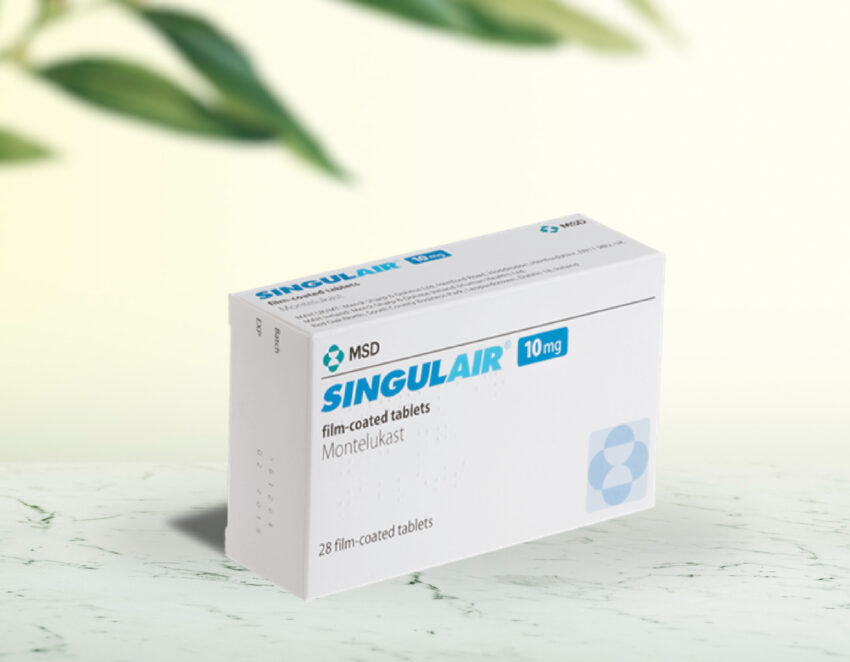
To counteract the effects of leukotrienes, a class of medications known as leukotriene receptor antagonists (LTRAs) has been developed. These medications are specifically designed to block leukotrienes from binding to their receptors in the lungs. By interrupting this pathway, LTRAs help reduce inflammation and prevent the cascade of events that lead to airway narrowing and breathing difficulties.
The mechanism of action of leukotriene receptor antagonists is both targeted and preventive. Instead of reacting to symptoms after they occur, these medications work proactively to control inflammation at its source. When leukotrienes are unable to bind to their receptors, the inflammatory response is significantly diminished. This leads to several important therapeutic benefits.
First, LTRAs help reduce swelling in the airways. By limiting inflammation, the airway lining becomes less irritated and more open, allowing air to flow more freely. This can make a noticeable difference in breathing comfort, particularly for individuals with chronic asthma.
Second, these medications decrease mucus buildup. Excess mucus can clog the airways and further restrict airflow, making breathing even more difficult. By reducing the production of mucus, LTRAs help keep the airways clearer and more functional.
Third, leukotriene receptor antagonists contribute to the relaxation of airway muscles. In asthma, the muscles surrounding the airways can tighten अचानक in response to triggers, a process known as bronchoconstriction. By preventing leukotriene activity, these medications help keep the muscles relaxed, reducing the likelihood of sudden airway narrowing.
Finally, the combined effect of these actions leads to improved overall breathing function. Patients often experience fewer symptoms, better exercise tolerance, and an overall improvement in quality of life.
One of the most important advantages of leukotriene receptor antagonists is their role in long-term disease management. Unlike rescue medications, which are used to provide quick relief during acute episodes, LTRAs are taken regularly to maintain control over inflammation. This preventive approach helps reduce the frequency and severity of flare-ups, allowing individuals to lead more active and predictable lives.
For many patients, especially those with mild to moderate asthma or persistent allergic rhinitis, LTRAs offer a convenient treatment option. They are typically administered orally, making them easier to use compared to inhaled medications that require proper technique. This ease of use can improve adherence to treatment, which is a critical factor in achieving optimal outcomes.
In addition to their use in asthma, leukotriene receptor antagonists are also effective in managing allergy-related conditions. By targeting the same inflammatory pathways involved in allergic reactions, these medications can help relieve symptoms such as nasal congestion, sneezing, and itchy eyes. This makes them a versatile option for individuals dealing with both respiratory and allergic issues.
It is important to note that while LTRAs are highly beneficial, they are usually part of a comprehensive treatment plan. Depending on the severity of the condition, healthcare providers may recommend combining them with other medications such as inhaled corticosteroids or bronchodilators. Regular monitoring and consultation with a healthcare professional ensure that the treatment plan remains effective and tailored to the patient’s needs.
In conclusion, airway inflammation plays a critical role in respiratory conditions like asthma and allergies, significantly impacting breathing and overall health.