
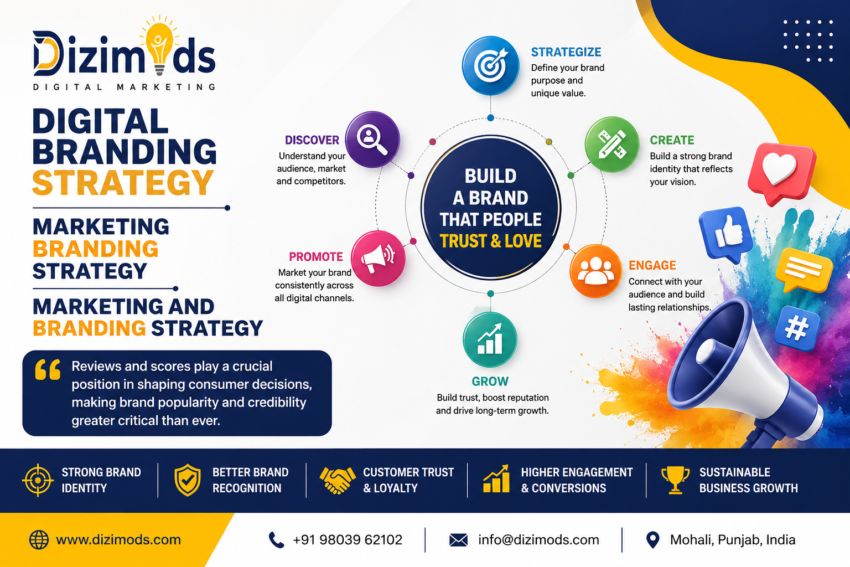
A successful marketing and branding strategy is the foundation of every thriving business. While marketing focuses on promoting products or services, branding defines how customers perceive your business. Together, they create a powerful approach that builds awareness, earns customer trust, and drives long-term business growth.
In today’s competitive marketplace, businesses must do more than simply advertise. They need to create a memorable brand identity, deliver consistent messaging, and engage customers across multiple digital channels. Whether you run a startup, an eCommerce business, or an established enterprise, a well-planned marketing and branding strategy helps you attract the right audience, increase customer loyalty, and stand out from competitors.
What Is a Marketing and Branding Strategy?
A marketing and branding strategy is a comprehensive plan that combines branding efforts with marketing initiatives to achieve business objectives. Branding defines your company’s identity, personality, values, and voice, while marketing communicates these qualities to potential customers through various online and offline channels.
The strategy includes elements such as brand identity, content marketing, social media, search engine optimization (SEO), paid advertising, customer engagement, email marketing, and reputation management.
The ultimate goal is to create a recognizable brand that customers trust and choose over competitors.
Why Marketing and Branding Strategy Is Important
A strong marketing and branding strategy offers several advantages, including:
- Builds strong brand awareness
- Establishes customer trust and credibility
- Creates a unique market position
- Improves customer engagement
- Generates qualified leads
- Increases customer loyalty
- Boosts online visibility
- Drives long-term revenue growth
Businesses with consistent branding often enjoy higher customer retention and better conversion rates because people are more likely to purchase from brands they recognize and trust.
Key Components of a Marketing and Branding Strategy
1. Define Your Brand Identity
Your brand identity is how customers recognize and remember your business. It includes:
- Business logo
- Brand colors
- Typography
- Visual design
- Brand voice
- Mission and vision
- Company values
A consistent identity across all platforms creates a professional image and improves brand recognition.
2. Know Your Target Audience
Understanding your audience allows you to create personalized marketing campaigns.
Research important customer information such as:
- Age
- Gender
- Location
- Interests
- Buying behavior
- Pain points
- Online preferences
Knowing your audience helps deliver the right message to the right people at the right time.
3. Create a Strong Brand Message
Your messaging should clearly explain:
- What your business offers
- How you solve customer problems
- Why customers should choose you
- What makes your brand different
Consistent messaging builds familiarity and strengthens customer confidence.
4. Build a Professional Website
Your website is the digital face of your business.
A successful website should be:
- Mobile responsive
- Fast loading
- SEO optimized
- Secure
- User-friendly
- Professionally designed
A high-quality website enhances credibility while improving customer experience.
5. Develop High-Quality Content
Content marketing is an essential part of both marketing and branding.
Useful content includes:
- Blog articles
- Videos
- Infographics
- Case studies
- Industry guides
- Email newsletters
- Social media posts
Publishing valuable content positions your business as an industry authority while improving organic search rankings.
Digital Marketing Channels
An effective marketing and branding strategy uses multiple digital platforms.
Search Engine Optimization (SEO)
SEO improves your visibility on search engines and helps customers discover your business naturally.
SEO includes:
- Keyword research
- On-page optimization
- Technical SEO
- Link building
- Local SEO
- Content optimization
Better rankings lead to increased website traffic and stronger brand authority.
Social Media Marketing
Social media allows businesses to connect directly with customers.
Popular platforms include:
- X (Twitter)
- YouTube
Consistent posting and audience engagement strengthen your brand image.
Email Marketing
Email marketing helps businesses maintain long-term customer relationships.
Common campaigns include:
- Product updates
- Promotional offers
- Educational newsletters
- Personalized recommendations
- Customer retention campaigns
Email marketing delivers one of the highest returns on investment among digital marketing channels.
Paid Advertising
Paid campaigns provide immediate visibility through:
- Google Ads
- Facebook Ads
- Instagram Ads
- LinkedIn Ads
- Display advertising
- Remarketing campaigns
These campaigns help businesses reach targeted audiences efficiently.
Importance of Brand Consistency
Consistency is one of the most important factors in branding.
Maintain the same:
- Logo
- Colors
- Fonts
- Messaging
- Tone of voice
- Visual style
Across your:
- Website
- Social media
- Email campaigns
- Advertisements
- Customer support
- Marketing materials
A consistent brand creates trust and improves customer recognition.
Online Reputation Management
Customer reviews significantly influence buying decisions.
Protect your reputation by:
- Responding promptly to reviews
- Encouraging satisfied customers to leave feedback
- Resolving complaints professionally
- Monitoring online mentions
- Delivering excellent customer service
Positive online reviews enhance credibility and attract new customers.
Benefits of a Strong Marketing and Branding Strategy
Businesses with a well-executed strategy often experience:
- Higher website traffic
- Better search engine rankings
- Increased customer engagement
- Improved conversion rates
- Stronger customer loyalty
- More qualified leads
- Enhanced brand reputation
- Sustainable business growth
Strong branding also makes future marketing campaigns more effective and cost-efficient.
Common Mistakes to Avoid
Avoid these branding and marketing mistakes:
- Inconsistent visual identity
- Poor website performance
- Weak brand messaging
- Ignoring SEO
- Low-quality content
- Inactive social media accounts
- Neglecting customer feedback
- Lack of market research
Regular evaluation helps identify weaknesses before they impact business performance.
Measuring Success
Track important performance indicators such as:
- Website traffic
- Organic search rankings
- Social media engagement
- Brand mentions
- Lead generation
- Conversion rates
- Customer retention
- Online reviews
- Return on investment (ROI)
These metrics help optimize future marketing efforts and improve overall brand performance.
Why Choose Professional Marketing and Branding Services?
Professional marketing and branding experts help businesses develop customized strategies that align with their goals. From brand identity creation and website development to SEO, social media management, content marketing, paid advertising, and reputation management, experienced professionals ensure every aspect of your business supports long-term growth.
Working with a dedicated agency also saves time, improves marketing efficiency, and delivers measurable results through data-driven strategies.
Conclusion
A well-planned marketing and branding strategy is essential for businesses that want to succeed in today’s competitive digital world. By combining a strong brand identity with effective marketing tactics such as SEO, content marketing, social media, email campaigns, paid advertising, and reputation management, businesses can build trust, increase visibility, attract loyal customers, and achieve sustainable long-term growth. Investing in a comprehensive marketing and branding strategy today will position your business for lasting success in the years ahead.