
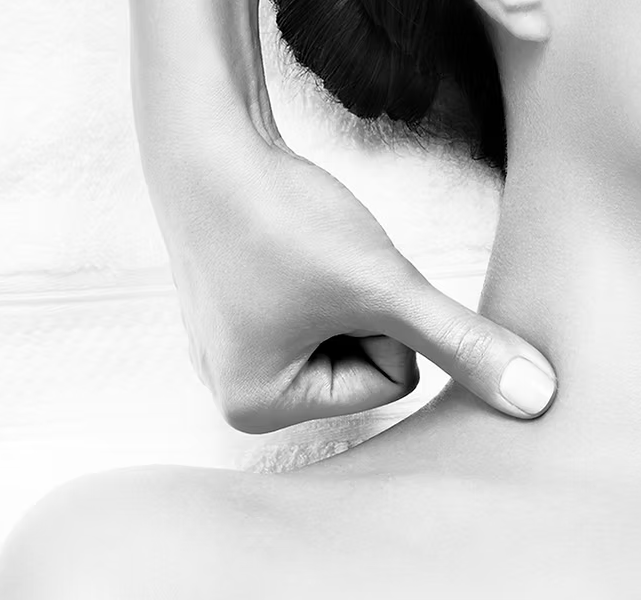
You deserve a Massage St Catharines experience that fits your needs and schedule, whether you want pain relief, relaxation, or improved mobility. You can find qualified registered massage therapists and a variety of treatments across the city—from therapeutic deep tissue and trigger-point work to restorative Swedish and foot reflexology—so you can choose what actually helps you feel better.
This guide walks you through common services available locally and shows how to pick a studio that matches your goals, budget, and comfort level. Expect practical tips on checking credentials, reading reviews, and booking the right appointment so you get results the first time you try.
Massage Services in St Catharines
You can find therapeutic, sports, relaxation, and specialty massages across clinics and mobile services in St. Catharines. Many providers emphasize registered therapists, tailored plans, and measurable health benefits.
Types of Massage Available
You can choose from several common modalities suited to different needs:
- Therapeutic/Deep Tissue: Targets chronic muscle tension and postural strain; useful after repetitive work or injuries.
- Swedish/Relaxation: Focuses on circulation and stress reduction using long, gliding strokes.
- Sports Massage: Prepares or recovers athletic tissues with techniques for flexibility, trigger points, and range of motion.
- Prenatal Massage: Adjusts positioning and pressure for pregnant clients to reduce back pain and pelvic discomfort.
- Foot and Reflexology: Concentrates on feet and reflex zones to relieve localized pain and improve relaxation.
Many clinics list specific specialties (e.g., myofascial release, cupping, hot stone) on their booking pages. You should verify availability and session lengths when booking, since not every therapist offers every modality.
Registered Massage Therapists
Registered Massage Therapists (RMTs) in St. Catharines hold provincially recognized credentials and are typically listed by clinic websites or directories. RMTs complete accredited programs and pass licensing requirements, which allows them to provide insurance receipts when applicable.
When selecting an RMT, look for clear information about their education, years of practice, and areas of focus. Ask whether they maintain professional liability insurance and follow local hygiene and consent protocols. If you require a therapist for a specific condition—neck pain, post-surgical rehab, or athlete recovery—confirm prior experience with that issue.
Health Benefits of Regular Massage
Regular massage can reduce muscle tension, decrease pain intensity, and improve functional range of motion for many conditions. Studies and clinic reports show benefits for chronic lower back pain, tension headaches, and recovery from soft-tissue injuries.
You may also notice improved sleep, lower perceived stress, and better circulation after consistent sessions. Benefits depend on technique, session frequency, and therapist skill. Track outcomes by noting pain scores, mobility changes, and how long relief lasts between sessions to measure effectiveness.
Personalized Treatment Plans
Good clinics create treatment plans based on assessment, goals, and progress tracking. Your first visit should include a focused history, movement assessment, and clear goals—such as reducing daily neck pain or preparing for a race.
Plans commonly specify session frequency, expected techniques (e.g., deep tissue plus stretching), home exercises, and re-evaluation timelines. You should receive follow-up notes and adjustments if progress stalls. If you have medical conditions or are on medications, ensure the therapist communicates with your primary care provider when necessary.
Selecting the Right Massage Studio
Focus on therapist qualifications, real client feedback, and the studio’s cleanliness and atmosphere. Those factors most directly affect treatment quality, safety, and comfort.
Evaluating Experience and Credentials
Check for registered massage therapy (RMT) credentials where applicable and confirm provincial registration or licensing. Ask how many years the therapist has practiced, whether they specialize (e.g., sports, prenatal, deep tissue), and request proof of continuing education in techniques you need.
Look for clear policies about treatment records and informed consent. Verify insurance coverage if you plan to claim sessions through a benefits provider; many clinics list whether they provide receipts for insurance or tax purposes. If you have a specific condition, ask about experience treating similar cases and whether the therapist works with your doctor or physiotherapist.
Client Reviews and Testimonials
Read recent reviews on multiple platforms (Google, Yelp, local directories) and weigh patterns over single comments. Prioritize reviewers who mention specifics: punctuality, pressure level, therapist communication, treatment outcomes, and whether receipts were provided.
Watch for red flags such as repeated complaints about hygiene, pushy upselling, or inconsistent pricing. Positive testimonials that describe measurable improvements (reduced pain, restored range of motion) matter more than vague praise. If possible, ask the studio for client references or a portfolio of case studies for the type of massage you want.
Cleanliness and Atmosphere
Inspect the reception and treatment rooms for visible cleanliness: fresh linens, sealed single-use supplies, and properly sanitized equipment between clients. A clean studio signals attention to safety and infection control.
Assess comfort factors that affect your session: lighting, temperature control, sound levels, and privacy. Note staff professionalism in interactions and whether the studio enforces appointment spacing to avoid crowding. If scents bother you, confirm whether they use unscented oils or can accommodate fragrance-free options.