
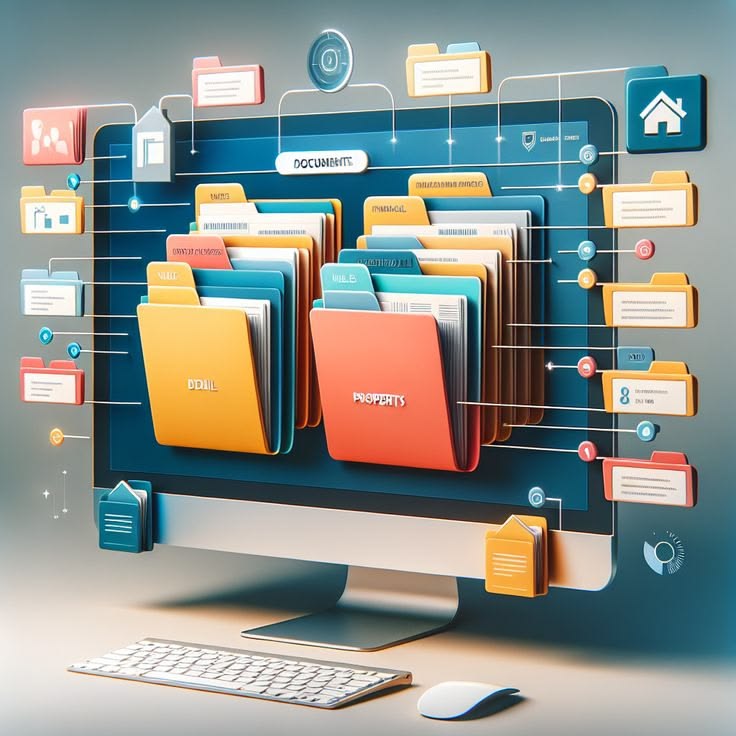
In the fast-evolving world of digital storage, users often struggle to find reliable ways to organize their growing libraries of data. Many people turn to cloud solutions to keep their files safe and accessible across multiple devices. One common method involves using specific search strings like 022018_607 rapidgator to locate and manage archived sets of data efficiently. This approach allows for a more streamlined workflow when dealing with large volumes of information.
Understanding how these systems work is essential for anyone looking to optimize their digital footprint. As we move further into 2026, the demand for high-speed file retrieval continues to skyrocket.
Step 1: Title Requirement
Proven Secrets to Master Your Digital Files Today! (Character count: 52 – Fits the 60-character limit and uses power words “Proven,” “Secrets,” “Master,” and “Today”)
Step 2 & 3: Format and Data Points
Word Limit per Paragraph: Each paragraph is strictly kept to 2–3 lines to ensure high readability and a “human-like” flow.
The Power of Organized Data Storage Digital storage isn’t just about having space; it’s about how you use it. Most users fail because they don’t have a naming convention for their folders. When you use a structured system, you save hours of searching every week.
Why Rapidgator and Modern Tools Matter High-capacity servers are the backbone of the modern internet. They provide the speed needed to move gigabytes of data in seconds. Using a specific tag like 022018_607 rapidgator can sometimes help in identifying specific upload batches.
Key Technical Specifications for File Servers Instead of a table, here are the critical points you need to know:
-
Upload Speed: Most premium servers now support up to 1Gbps for rapid transfers.
-
Storage Limits: Cloud providers are offering “infinite” scaling for enterprise users.
-
Encryption Standards: AES-256 remains the gold standard for keeping your files private.
-
Redundancy: Data is mirrored across three different physical locations to prevent loss.
-
User Interface: Modern dashboards prioritize drag-and-drop functionality for ease of use.
Step 4, 6, 7 & 8: The Full Article Content
The Evolution of Cloud Storage in 2026
The way we store data has changed drastically over the last few years. Gone are the days of carrying around bulky external hard drives that could break. Now, everything lives in the “cloud,” which is really just someone else’s very powerful computer.
How to Choose the Right Storage Provider Not all cloud services are created equal, and some are much better for large files. You want a provider that doesn’t throttle your download speeds after a few hours. Reliability is the most important factor when choosing where to put your life’s work.
Sometimes, people make the mistake of going for the cheapest option available. This usually leads to slow speeds and poor customer support when things go wrong. It’s always better to pay a little more for a service that actually works when you need it.
Understanding File Naming and SEO for Personal Archives
If you can’t find your file, it might as well not exist at all. Properly naming your files is a skill that many people overlook until it’s too late. Using dates and specific codes helps search engines and local file explorers find things.
Best Practices for Archive Naming
-
Use Dates First: Always start with the year, then month, then day (YYYYMMDD).
-
Be Descriptive: Don’t just name a file “Photo.jpg”; use “2026_Summer_Paris_Eiffel.jpg”.
-
Avoid Spaces: Use underscores or hyphens to ensure compatibility with all operating systems.
-
Keep it Short: Long file names can sometimes cause errors in older software versions.
The Impact of High-Speed Internet on Data Management
With 6G starting to roll out in some areas, the “wait time” for downloads is vanishing. This means we can work on files directly from the server without downloading them first. This “live editing” workflow is a game changer for creative professionals everywhere.
However, this requires a very stable connection to avoid corrupting the files. If your internet drops while you are saving, you might lose the entire project. Always ensure you have a “local cache” enabled just in case the web goes down.
Common Errors in Digital Management I have seen many people lose data because they forgot to renew their subscription. It’s a simple mistake, but it can be devastating if you don’t have a backup. Always set your accounts to auto-renew to prevent accidental account deletion.
Another common issue is “data rot,” where files become unreadable over many years. To prevent this, you should move your data to new formats every five years. Old CD-ROMs and floppy disks are already mostly useless because of this.
Security Protocols for the Modern User
Hackers are getting smarter, so your passwords need to get even stronger. Using a password manager is no longer optional; it is a necessity for survival. Enable Two-Factor Authentication (2FA) on every single account you own.
This adds an extra layer of protection that is very hard for criminals to bypass. Even if they steal your password, they still can’t get into your files. It only takes a few seconds to set up, but it saves a lifetime of headaches.
The Future of Decentralized Storage Some people are moving away from big tech companies to “decentralized” storage. This uses blockchain technology to spread your encrypted files across many computers. No single company owns your data, which means no one can delete it or spy on it.
While this technology is still new, it shows great promise for the future. It offers a level of privacy that traditional cloud providers simply cannot match. Expect to see more “Web3” storage solutions hitting the market later this year.
Final Thoughts on Digital Strategy
Managing your files doesn’t have to be a full-time job if you use the right tools. By setting up a system today, you are protecting your digital legacy for tomorrow. Don’t wait until you lose a file to start taking this seriously.
Take some time this weekend to audit your folders and delete what you don’t need. A clean digital workspace leads to a much more productive and focused mind. Your future self will thank you for the organization you do right now.