
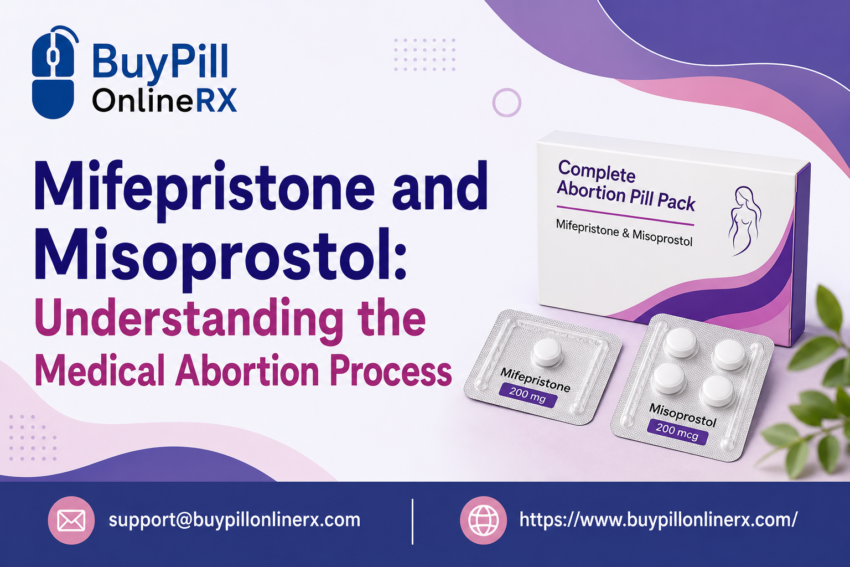
Mifepristone and Misoprostol are two medicines commonly used together for medication abortion. They have different roles in the process: mifepristone blocks progesterone, while misoprostol causes uterine contractions that help expel the pregnancy tissue. The FDA states that mifepristone, when used with misoprostol, is approved in the United States for ending an intrauterine pregnancy through 10 weeks (70 days) of gestation.
For people researching medical abortion pills, understanding how these medicines work, the importance of eligibility, potential safety concerns, and access to appropriate medical care is essential. This article provides general educational information for readers researching Mifepristone and Misoprostol and products associated with buypillonlinerx.com.
1. What Are Mifepristone and Misoprostol?
Mifepristone and Misoprostol are medications that can be used together as part of a medical-abortion regimen.
Mifepristone works by blocking progesterone, a hormone needed to maintain pregnancy. Misoprostol works differently: it causes contractions of the uterus and helps the uterus empty.
The combination is recognized by the World Health Organization as an established approach to medical abortion. WHO describes medical abortion as a process that involves assessing eligibility, using an appropriate medication regimen, managing expected effects, and assessing the outcome.
This distinction is important because an abortion pill pack containing these medicines is not simply two identical medications. Each medicine has a specific role in the overall medical abortion process.
2. How Mifepristone and Misoprostol Work Together
The effectiveness of Mifepristone and Misoprostol comes from their complementary actions.
Mifepristone first blocks progesterone activity. Misoprostol is then used to stimulate uterine contractions and help expel the pregnancy tissue. The FDA’s current information describes the U.S.-approved regimen as 200 mg of mifepristone followed 24–48 hours later by 800 mcg of misoprostol for medical termination through 10 weeks of gestation.
WHO’s guidance likewise identifies mifepristone followed by misoprostol as a recommended combination regimen for induced abortion before 12 weeks, with the exact regimen depending on the clinical circumstances.
Because medication instructions can depend on pregnancy duration and individual medical circumstances, people should use the regimen provided by an appropriately qualified healthcare professional rather than treating an online article as individualized medical instructions.
3. Medical Abortion Safety and Important Considerations
Abortion pill safety is an important part of understanding medical abortion. Before using medical abortion pills, appropriate assessment should determine whether the pregnancy and the individual’s medical circumstances are suitable for medication abortion.
One important consideration is ectopic pregnancy. The FDA states that mifepristone is approved for an intrauterine pregnancy and should not be used for a confirmed or suspected ectopic pregnancy because it does not treat an ectopic pregnancy.
Bleeding and cramping are expected parts of the medical-abortion process. Other effects can occur as well. Anyone experiencing concerning or severe symptoms should seek appropriate medical attention.
WHO emphasizes that abortion is very safe when a recommended method appropriate to the pregnancy duration is used and appropriate information, quality medicines, and trained support are available.
Therefore, understanding mifepristone safety, contraindications, expected effects, and access to follow-up care is just as important as understanding the medicines themselves.
4. What to Know About an Abortion Pill Pack
An abortion pill pack may contain medications intended to be used as part of a medical-abortion regimen. When researching a complete abortion pill pack, it is important to understand exactly which medicines are included, their strengths, the approved indications, and the applicable prescribing requirements.
In the United States, the FDA states that generic Mifepristone Tablets, 200 mg, are approved in combination with misoprostol for medical termination of an intrauterine pregnancy through 10 weeks. Mifepristone is subject to the Mifepristone REMS Program, which establishes requirements for prescribing and dispensing.
For readers researching Mifepristone 200mg, misoprostol, or an abortion pill pack in USA through buypillonlinerx.com, it is important to independently verify current product information, prescription requirements, medication sourcing, and applicable regulations.
An online product description should not be treated as a substitute for professional medical assessment.
5. Reliable Information and Follow-Up Care
Reliable medical abortion information should explain not only what mifepristone and misoprostol do but also the importance of eligibility assessment, appropriate medication use, management of expected effects, and follow-up.
WHO’s clinical handbook identifies these as key components of quality medical abortion care. It also states that self-management before 12 weeks can be an option when people have access to accurate information, quality-assured medicines, trained support when needed, and appropriate healthcare or referral services.
Follow-up is important because healthcare professionals may need to determine whether the abortion process was successful and whether additional care is required.
When researching Mifepristone and Misoprostol, readers should prioritize information from authoritative medical sources and ensure they understand the requirements that apply to their location.