
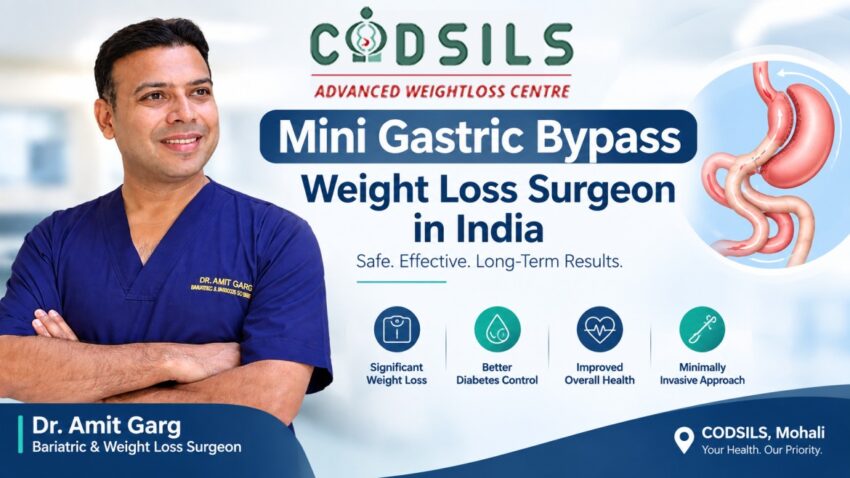
Obesity is more than a concern related to body weight. It can affect blood sugar, blood pressure, sleep, mobility and overall quality of life. For people who have not achieved sufficient weight loss through lifestyle changes and other treatments, bariatric surgery may be considered as part of a comprehensive weight-management plan.
Mini Gastric Bypass, also known as One Anastomosis Gastric Bypass (OAGB), is one of the bariatric procedures used for significant weight loss and metabolic health improvement. The procedure reduces the size of the stomach and changes the route through which food passes through the small intestine.
For patients considering this treatment, choosing an experienced bariatric surgeon and a centre that provides proper preoperative evaluation and long-term follow-up is an important part of the process.
What Is Mini Gastric Bypass Surgery?
Mini Gastric Bypass is a type of gastric bypass surgery that creates a long, narrow stomach pouch and connects it to a portion of the small intestine through a single surgical connection.
The procedure works through more than one mechanism. The smaller stomach pouch limits the amount of food that can be consumed, while the intestinal bypass changes nutrient absorption and influences metabolic and hormonal signals associated with hunger and blood sugar regulation.
Although it is called “mini” gastric bypass, the procedure is a major bariatric surgery and requires careful patient selection and long-term medical follow-up.
How Does Mini Gastric Bypass Help With Weight Loss?
Mini Gastric Bypass can support weight loss through several mechanisms:
- Creates a smaller stomach pouch
- Helps reduce food intake
- Changes the path of food through part of the small intestine
- Alters nutrient absorption
- Influences appetite-related hormones
- May improve blood sugar regulation
- Can support improvement in obesity-related health conditions
Weight-loss results are different for every patient. Factors such as starting weight, age, medical conditions, eating habits, physical activity and adherence to postoperative recommendations can influence the outcome.
Who May Consider Mini Gastric Bypass?
Mini Gastric Bypass may be considered for people with obesity when other approaches have not provided adequate or sustainable results.
A bariatric surgeon may consider factors such as:
- BMI and weight history
- Previous attempts at weight loss
- Type 2 diabetes
- High blood pressure
- Sleep apnea
- Fatty liver disease
- Other obesity-related conditions
- Previous abdominal or bariatric surgery
- Nutritional health
- Eating habits and lifestyle
- Ability to follow long-term postoperative care
The decision should be based on an individual medical assessment rather than body weight alone.
Benefits of Mini Gastric Bypass
For appropriately selected patients, Mini Gastric Bypass can provide substantial weight loss and may improve several conditions associated with obesity.
Significant Weight Loss
The smaller stomach pouch limits meal size, while changes to intestinal nutrient flow contribute to the overall metabolic effect of the procedure.
Support for Diabetes Management
Metabolic surgery can improve blood sugar control in many appropriately selected patients with obesity and type 2 diabetes. Some patients may require fewer diabetes medications after surgery, although medication changes must always be supervised by a doctor.
Improvement in Obesity-Related Conditions
Weight loss following bariatric surgery may help improve conditions such as high blood pressure, sleep apnea and other metabolic problems.
Increased Feeling of Fullness
The smaller stomach pouch allows patients to feel full with smaller meals. Changes in gut hormones may also influence hunger and appetite.
One Anastomosis
One of the defining features of OAGB is the use of a single intestinal anastomosis, which distinguishes it from Roux-en-Y gastric bypass.
Mini Gastric Bypass vs Sleeve Gastrectomy
Both procedures can help with significant weight loss, but they work differently.
| Mini Gastric Bypass | Sleeve Gastrectomy |
|---|---|
| Creates a smaller stomach pouch | Removes a large portion of the stomach |
| Includes an intestinal bypass | Does not bypass the intestine |
| Uses one intestinal anastomosis | No intestinal anastomosis |
| Alters nutrient absorption | Nutrient absorption is generally less altered |
| Has significant metabolic effects | Also has important metabolic effects |
| Requires long-term nutritional monitoring | Requires long-term nutritional monitoring |
There is no single bariatric procedure that is appropriate for every patient. The choice depends on individual health, BMI, medical history, nutritional status and other factors.
Mini Gastric Bypass vs Gastric Bypass
Mini Gastric Bypass and Roux-en-Y Gastric Bypass are both gastric bypass procedures, but their surgical techniques are different.
Mini Gastric Bypass uses one intestinal connection, whereas Roux-en-Y Gastric Bypass uses two. The differences can be relevant when considering factors such as reflux, nutritional requirements, previous surgery and long-term follow-up.
A bariatric surgeon can explain the differences and recommend an appropriate option after evaluating the patient.
Is Mini Gastric Bypass Safe?
Mini Gastric Bypass is a major surgical procedure and, like other operations, carries potential risks.
Possible complications may include:
- Bleeding
- Infection
- Blood clots
- Leakage
- Ulcers
- Narrowing or stricture
- Nutritional deficiencies
- Vitamin and mineral deficiencies
- Gastrointestinal symptoms
- Reflux or bile reflux
- Weight regain
The risk of complications varies between patients. Proper preoperative assessment, surgical planning and postoperative monitoring are important components of bariatric care.
Recovery After Mini Gastric Bypass
Recovery varies depending on the patient’s health and individual circumstances.
After surgery, the diet is generally advanced gradually according to the bariatric team’s instructions. Patients may initially follow a liquid diet before progressing to soft foods and eventually regular foods.
During recovery, patients are generally advised to:
- Eat small portions
- Eat slowly and chew food thoroughly
- Prioritize protein
- Drink sufficient fluids
- Take prescribed supplements
- Gradually increase physical activity
- Attend follow-up appointments
- Complete recommended blood tests
Following the postoperative plan is important for both weight management and nutritional health.
Diet After Mini Gastric Bypass
Food choices and portion sizes change after Mini Gastric Bypass. Your bariatric team will provide a personalized diet plan according to your stage of recovery.
A typical progression may include:
Early recovery:
Prescribed liquids and clear fluids.
Next stage:
Protein-rich liquids and soft foods.
Later stage:
Small portions of nutritious solid foods.
Long term:
A balanced diet with adequate protein, vegetables, appropriate carbohydrates and other nutrient-rich foods.
Patients should avoid treating the postoperative diet as a temporary plan. Developing sustainable eating habits is an important part of long-term weight management.
Long-Term Follow-Up After Surgery
Bariatric surgery is not the end of obesity treatment. Long-term follow-up helps monitor weight, nutrition and overall health.
Patients may need:
- Regular medical reviews
- Vitamin and mineral supplementation
- Nutritional blood tests
- Dietary guidance
- Physical activity
- Monitoring of diabetes and other medical conditions
Because Mini Gastric Bypass changes nutrient absorption, nutritional monitoring is particularly important.
Mini Gastric Bypass for Diabetes and Metabolic Health
Mini Gastric Bypass is also considered a metabolic procedure because its effects extend beyond weight reduction.
Changes in the digestive system can influence blood glucose regulation, appetite and metabolic hormones. For appropriately selected patients with obesity and type 2 diabetes, metabolic surgery may contribute to improved blood sugar control.
However, individual outcomes vary. Diabetes medication should never be stopped or changed without medical supervision.
Choosing a Mini Gastric Bypass Weight Loss Surgeon in India
When considering bariatric surgery, patients often focus on the procedure itself. The surgeon, hospital support, preoperative assessment and long-term follow-up are equally important.
Before choosing a Mini Gastric Bypass Weight Loss Surgeon in India, consider whether the bariatric team provides:
- Detailed medical evaluation
- Discussion of different surgical options
- Appropriate nutritional assessment
- Clear explanation of benefits and potential risks
- Postoperative dietary guidance
- Long-term follow-up
- Monitoring for nutritional deficiencies
- Support for obesity-related conditions
A consultation allows the surgeon to determine whether Mini Gastric Bypass is suitable for your individual circumstances.
Dr. Amit Garg at CODSILS for Mini Gastric Bypass
At CODSILS – The Centre for Obesity, Diabetes & Single Incision Laparoscopic Surgery, Dr. Amit Garg provides bariatric and metabolic surgery care for patients dealing with obesity and related health conditions.
Dr. Amit Garg is a bariatric and weight loss surgeon in Punjab with more than 16 years of experience and experience with 3,000+ bariatric, metabolic and laparoscopic surgery procedures.
At CODSILS, the focus is not simply on selecting a surgical procedure. Each patient is evaluated individually to understand their weight history, medical conditions, nutritional status and long-term requirements.
Depending on the patient’s condition, treatment options may include:
- Mini Gastric Bypass
- One Anastomosis Gastric Bypass
- Sleeve Gastrectomy
- Gastric Bypass
- Revisional Bariatric Surgery
- Metabolic and Diabetes Surgery
- Laparoscopic Surgery
The appropriate procedure is selected after medical evaluation and discussion between the patient and bariatric team.
Why Patients Consider CODSILS for Bariatric Surgery
CODSILS provides bariatric and metabolic surgery services in Mohali, Punjab, with a focus on personalized treatment and long-term weight-management support.
The care pathway may include:
Preoperative Assessment
Evaluation of weight, medical conditions, nutritional status and other factors relevant to surgery.
Procedure Selection
Discussion of suitable bariatric procedures based on individual clinical requirements.
Minimally Invasive Surgery
Laparoscopic techniques may be used where clinically appropriate.
Nutritional Support
Dietary guidance helps patients adapt to changes after surgery.
Postoperative Follow-Up
Regular follow-up helps monitor weight, nutrition and overall recovery.
Mini Gastric Bypass Surgery in Mohali, Punjab
Patients from Mohali, Chandigarh, Panchkula and other parts of Punjab and India can consult the bariatric team at CODSILS regarding Mini Gastric Bypass and other weight-loss procedures.
Dr. Amit Garg evaluates each patient individually rather than recommending the same operation for everyone. The consultation can help patients understand their available treatment options, expected lifestyle changes and long-term follow-up requirements.
Frequently Asked Questions
Is Mini Gastric Bypass good for weight loss?
Mini Gastric Bypass can result in substantial weight loss in appropriately selected patients. The amount of weight lost varies according to individual factors and long-term adherence to dietary and lifestyle recommendations.
How long does Mini Gastric Bypass surgery take?
The duration of surgery varies depending on the patient’s anatomy, previous surgeries and other clinical factors. Your surgeon can provide an expected timeframe during your consultation.
Can Mini Gastric Bypass improve diabetes?
Metabolic surgery can improve blood sugar control in appropriately selected patients with obesity and type 2 diabetes. The degree of improvement varies between individuals.
Will I need supplements after Mini Gastric Bypass?
Patients generally require prescribed vitamin and mineral supplementation and ongoing nutritional monitoring because the procedure changes nutrient absorption.
Can I regain weight after Mini Gastric Bypass?
Weight regain can occur after bariatric surgery. Long-term follow-up, nutrition, physical activity and appropriate medical support can help address changes in weight over time.
Is Mini Gastric Bypass suitable for everyone?
No. Bariatric surgery is not suitable for every person with obesity. A detailed medical evaluation is necessary before deciding whether Mini Gastric Bypass is an appropriate treatment.
Conclusion
Mini Gastric Bypass is an established bariatric and metabolic procedure that can support significant weight loss and improvement in obesity-related health conditions in appropriately selected patients. However, choosing surgery should involve careful consideration of the potential benefits, risks, nutritional requirements and long-term lifestyle changes.
If you are searching for a Mini Gastric Bypass Weight Loss Surgeon in India, Dr. Amit Garg at CODSILS, Mohali can evaluate your health and discuss whether Mini Gastric Bypass or another bariatric procedure may be appropriate for you.
Consult Dr. Amit Garg – CODSILS
CODSILS – The Centre for Obesity, Diabetes & Single Incision Laparoscopic Surgery
Dr. Amit Garg | Bariatric & Weight Loss Surgeon
📍 OPD#A- 19, Park Gracian Hospital, Sector 69, Sahibzada Ajit Singh Nagar, Punjab 160062
📞 6283337650
📧 codsils.info@gmail.com
🌐 www.codsils.com