
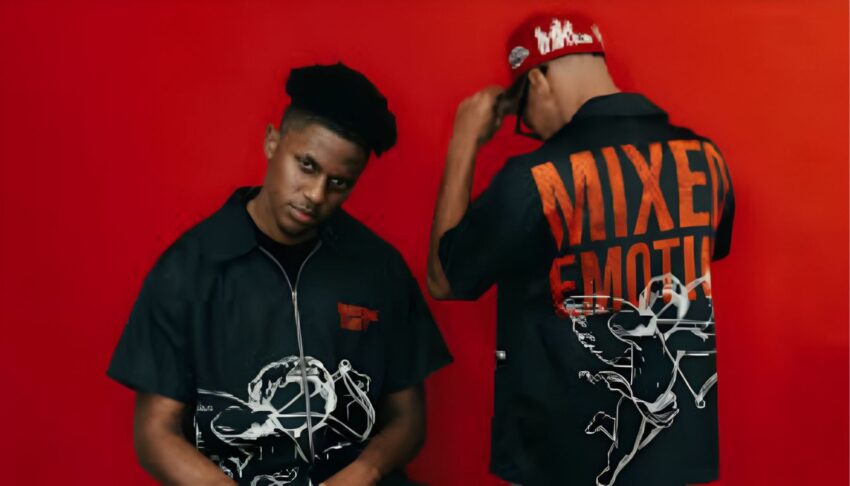
Streetwear has evolved from a symbol of rebellion into an emotional language of self-expression. No longer confined to casual wear, it communicates stories of vulnerability, nostalgia, and resilience. Each garment has become a reflection of inner turmoil and collective consciousness. Oversized silhouettes, fragmented patterns, and distressed fabrics narrate emotions once unspoken. Streetwear today resonates with authenticity—it feels raw, real, and human. This emotional depth transforms fashion into dialogue, connecting designer and wearer through shared sentiment. In this evolution, streetwear mixedemotionn.com transcends its origins, emerging as a cultural voice that captures the complexity of the human experience.
The Rise of Emotional Expression in Fashion
Fashion has entered an era where emotion drives creativity. The focus has shifted from aesthetic perfection to psychological depth, as designers craft garments that echo human feeling. Anger, confusion, joy, and solitude now coexist within fabric folds. Consumers seek clothes that mirror their shifting moods rather than conceal them. Streetwear, once about defiance, now embraces introspection. The hoodie becomes a symbol of safety, while bold prints express rebellion against emotional numbness. This movement reflects society’s hunger for authenticity in a performative world. Emotion has become fashion’s new medium—a form of wearable storytelling rooted in human truth.
Color Psychology and the Language of Mood
Color has become the silent lexicon of streetwear’s emotional transformation. Designers use hue to translate complex moods into visual rhythm. Muted greys speak of melancholy, while neon tones shout resilience and rebellion. Contrasting shades evoke emotional conflict—hope intertwined with despair. This chromatic tension mirrors modern life’s psychological landscape. In a world overwhelmed by overstimulation, colors ground emotion and reveal identity. Through unconventional combinations—pastel with crimson, serenity with chaos—streetwear channels the unpredictability of human experience. Each hue carries emotional intent, turning clothing into a psychological canvas where color becomes the pulse of feeling.
Hybrid Aesthetics: Blurring Boundaries of Joy and Melancholy
Streetwear now thrives on contradiction—where joy and sorrow coexist in seamless harmony. Designers merge oversized comfort with tailored precision, creating silhouettes that embody both ease and tension. Distressed fabrics contrast with clean lines, echoing the emotional duality of modern life. This aesthetic hybridity challenges conventional beauty, embracing imperfection as truth. The result is a wardrobe of paradox—garments that evoke both warmth and detachment. Through layering and asymmetry, streetwear celebrates emotional ambiguity rather than denying it. It invites wearers to exist authentically within contradiction, reflecting how human emotion rarely fits into neat definitions.
Material Narratives: Textures that Speak Emotion
Textures in streetwear have become storytellers of the soul. Designers employ fabric to express inner states—soft fleece whispers comfort, while rugged leather roars defiance. Each tactile surface translates feeling into form, allowing emotion to be felt through touch. The fusion of contrasting materials mirrors human contradiction: fragility wrapped in strength. Denim, mesh, and silk combine to reveal psychological complexity. These material juxtapositions create garments that feel both protective and exposed. Texture becomes an emotional dialect, conveying resilience, vulnerability, and nostalgia. Through these surfaces, streetwear communicates beyond words—turning fabric into a medium of empathy and reflection.
Cultural Undercurrents: Streetwear as a Mirror of Modern Sentiment
Streetwear mirrors the shifting emotional tone of contemporary culture. In uncertain times marked by social flux and digital noise, fashion becomes an outlet for truth. Layered silhouettes, asymmetric cuts, and distressed finishes symbolize fractured realities. Through these designs, individuals reclaim authenticity amid chaos. The street transforms into an expressive stage where emotion drives identity. Streetwear no longer just reflects urban energy—it reveals collective psychology. It captures the dissonance of modern life: connected yet isolated, hopeful yet anxious. This emotional honesty defines the genre’s cultural relevance, positioning streetwear as both social commentary and emotional expression.
Digital Influence: How Online Culture Fuels Mixed Emotion Trends
The digital world has intensified fashion’s emotional resonance. Platforms like Instagram and TikTok amplify aesthetic moods that shift daily. Online culture thrives on paradox—irony meets sincerity, chaos meets clarity. Designers interpret these dualities into collections inspired by memes, melancholy filters, and digital overstimulation. Streetwear becomes a reflection of online sentiment, blending humor with vulnerability. Algorithms amplify collective emotion, turning virtual moods into physical garments. This fusion of digital and emotional expression creates a new aesthetic rhythm—one born from connection and confusion. The result is streetwear that captures the pulse of our digitized emotional lives.
Designers Leading the Emotional Revolution
Visionary designers are redefining streetwear by embracing emotional storytelling. Rei Kawakubo’s deconstructionism explores vulnerability through fragmentation. Virgil Abloh infused melancholy and modern optimism into cultural hybrids. Samuel Ross experiments with texture and proportion to evoke resilience. Their designs blur the line between art and emotion, creating clothing that feels alive. These creators reject perfection, celebrating human imperfection as beauty. Through them, streetwear evolves beyond surface aesthetics into psychological depth. They inspire a generation to dress not for approval, but for emotional authenticity—transforming fashion from mere appearance into a tangible form of self-awareness.
The Future of Sentiment-Driven Streetwear
The next evolution of streetwear lies in emotional technology and sensory innovation. AI-generated designs will interpret mood patterns, while sustainable materials will merge ethical purpose with emotional resonance. Designers will craft garments that adapt to feeling—clothes that respond to temperature, texture, or light. This era will fuse psychology with design, creating fashion that reacts to the wearer’s inner world. Sentiment-driven streetwear will blur reality and emotion, transforming style into experience. As fashion becomes more introspective, it will prioritize emotional intelligence over aesthetics—ushering in a future where self-expression is both felt and seen.
Emotion as the New Aesthetic Code
Streetwear’s redefinition through mixed emotion trends represents a cultural awakening. No longer just a visual language, it has become a form of emotional communication. Vulnerability replaces bravado; feeling becomes the new luxury. Every tear, fold, and hue holds intention—a message of humanity. Streetwear’s evolution proves that true innovation lies not in novelty, but in emotional honesty. The future belongs to those who design and dress with feeling. In this new paradigm, fashion transcends the material to touch the metaphysical. Emotion, once hidden beneath the surface, now reigns as the ultimate aesthetic code.