
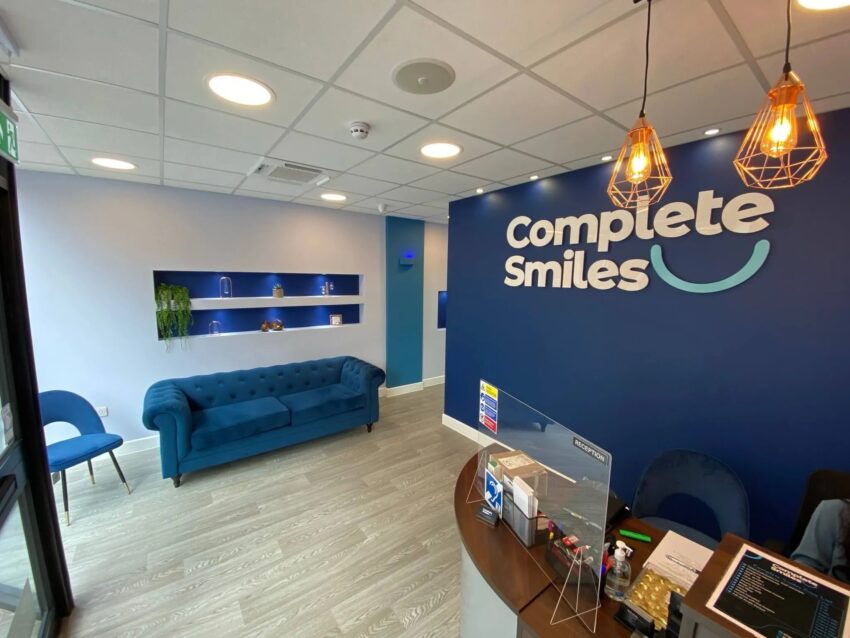
Modern dental practices face growing expectations from patients who value comfort, convenience, and efficiency alongside high-quality treatment. At the same time, practice owners must keep pace with evolving technologies, changing regulations, and the need for attractive clinical environments. Updating a practice can bring significant benefits, but it also presents a challenge: how can improvements be made without affecting the patient experience? With careful planning, clear communication, and a focus on operational continuity, it is possible to modernise a practice while ensuring patient care remains at the centre of every decision.
Understanding the Need for Modernisation
Healthcare environments have changed considerably over the past decade, and dentistry is no exception. Patients increasingly expect practices to provide not only excellent clinical treatment but also a welcoming and efficient environment. From digital appointment systems to comfortable waiting areas, every aspect of a practice contributes to how patients perceive the quality of care they receive.
Modernisation is not simply about keeping up with trends. It can improve workflow, increase productivity, support staff wellbeing, and create a more organised experience for patients. However, successful upgrades require thoughtful planning because even minor disruptions can affect appointment schedules and patient confidence.
It is important to recognise that modernisation should always serve a practical purpose. Investments should support better care delivery, improved efficiency, or enhanced comfort rather than focusing solely on appearance.
Disclaimer: Any operational changes should comply with current healthcare regulations, professional standards, and local requirements.

Planning Improvements Before Work Begins
Setting Clear Objectives
At the start of any project, defining specific goals can make a significant difference to the final outcome. Without a clear vision, refurbishment projects can become unnecessarily complex and expensive.
Some practices may wish to improve patient flow through the building, while others may prioritise technology integration or the creation of additional treatment spaces. Understanding these priorities from the outset helps guide every decision that follows.
This is also the stage where budgets, timelines, and operational requirements should be discussed. Identifying potential challenges early can prevent delays later in the project.
Assessing Current Facilities
Before changes are made, it is worth conducting a thorough review of the existing environment. Reception areas, treatment rooms, staff facilities, storage spaces, and administrative areas should all be evaluated.
Sometimes the biggest opportunities for improvement are not immediately obvious. Small adjustments to room layouts or storage systems can often improve efficiency without requiring major structural work.
Creating a Practical Refurbishment Strategy
Phasing the Project
Dental practice refurbishment projects are often most successful when completed in carefully planned stages rather than all at once. A phased approach allows essential services to continue while improvements are carried out in specific areas of the practice.
For example, work can begin in reception areas while treatment rooms remain operational. Once that stage is complete, attention can move to clinical spaces or staff facilities. This method helps minimise disruption and ensures patients continue receiving care throughout the process.
Careful scheduling is equally important. Many practices choose to carry out more disruptive work during weekends, public holidays, or quieter periods when appointment volumes are lower.
Managing Expectations
Patients are generally understanding when improvements are being made, particularly when they understand the reasons behind them. Informing patients in advance about temporary changes can reduce frustration and help maintain trust.
Clear communication through appointment reminders, emails, websites, and reception notices can reassure patients that the practice remains fully committed to their care during the refurbishment period.
Designing Around Patient Experience
At the heart of every successful upgrade is thoughtful dental clinic design. While aesthetics matter, the primary goal should always be to create an environment that supports both patient comfort and operational efficiency.
Patients often form opinions about a practice before they even enter a treatment room. The reception area, waiting space, lighting, and overall atmosphere all contribute to their experience.
A calm, organised environment can help reduce anxiety, particularly for nervous patients. Comfortable seating, clear signage, and accessible layouts can make visits more pleasant and efficient.
Good design also supports practical outcomes. When spaces are arranged logically, patients can move through appointments more smoothly, reducing delays and improving overall satisfaction.

Supporting Clinical Workflows
Effective dental clinic design benefits the clinical team as much as it benefits patients. Treatment rooms should allow staff to access equipment easily while maintaining a comfortable and safe environment.
When workflows are carefully considered, appointments can run more efficiently. This not only improves productivity but also helps maintain consistent standards of care during busy periods.
The best designs balance visual appeal with functionality, ensuring that every element serves a meaningful purpose.
Integrating Technology Without Creating Disruption
Technology continues to transform the dental sector. Digital imaging systems, cloud-based software, and online booking platforms can improve efficiency while making life easier for both staff and patients.
Introducing new systems, however, requires careful planning. Technology should be implemented gradually wherever possible, allowing staff adequate time to adapt before changes become part of everyday operations.
Training plays a critical role in this process. Employees who understand new systems are more likely to use them confidently and effectively. Investing in training before launch can help prevent avoidable disruptions and maintain smooth patient journeys.
According to NHS Digital and broader healthcare technology trends, digital tools continue to play an increasingly important role in supporting administrative efficiency and patient accessibility across healthcare settings.
Disclaimer: Practices should ensure all digital systems comply with applicable data protection and cybersecurity requirements.
Managing Risks During Refurbishment
Every refurbishment project carries potential risks, but many can be reduced through proactive planning.
Noise, dust, temporary access restrictions, and equipment downtime are among the most common concerns. These issues can affect patient comfort if not managed carefully.
A structured project plan should include measures to reduce disruption, maintain cleanliness, and ensure safe movement throughout the premises. Construction areas should be clearly separated from operational clinical spaces wherever possible.
Infection prevention must also remain a priority. Appropriate barriers, cleaning procedures, and contractor management processes can help maintain compliance with healthcare standards throughout the project.
Disclaimer: Infection control measures should always align with current professional guidance and regulatory requirements.
Balancing Aesthetics With Long-Term Functionality
One of the most common mistakes during a refurbishment is prioritising appearance over practicality. Attractive interiors can certainly create a positive first impression, but functionality should always remain a central consideration.
When making decisions about layouts, materials, and furnishings, practice owners should think beyond immediate visual impact. Durable finishes, efficient room configurations, and easy-to-maintain surfaces often provide greater long-term value.
This is particularly important during dental practice refurbishment projects where investments are expected to support daily operations for many years. A visually appealing environment is valuable, but it should never compromise efficiency or usability.
Future growth should also be considered. Flexible spaces can accommodate changing patient numbers, new services, or additional equipment without requiring major alterations later.
Measuring Success After Completion
Modernisation does not end when construction work is finished. Evaluating outcomes helps determine whether project objectives have been achieved.
Useful indicators may include patient feedback, appointment efficiency, staff satisfaction, and operational performance. Reviewing these factors provides valuable insight into how effectively the improvements are supporting the practice.
Within a successful dental practice refurbishment, the benefits should extend beyond appearance. The project should contribute to smoother workflows, improved patient experiences, and a stronger foundation for future growth.
Conclusion
Modernising a dental practice is about far more than updating interiors or introducing new technology. The most successful projects improve efficiency, support staff, and create a better experience for patients without disrupting day-to-day care. Through careful planning, phased implementation, thoughtful communication, and practical design decisions, practices can achieve meaningful improvements while maintaining continuity. By taking a patient-focused approach and working with experienced professionals such as Divo Interiors, dental practices can create environments that remain effective, welcoming, and adaptable for years to come.